
Last updated September 24, 2026
Free in-home measure and quote - PGT, CGI and CWS impact lines compared on your actual openings, style by style
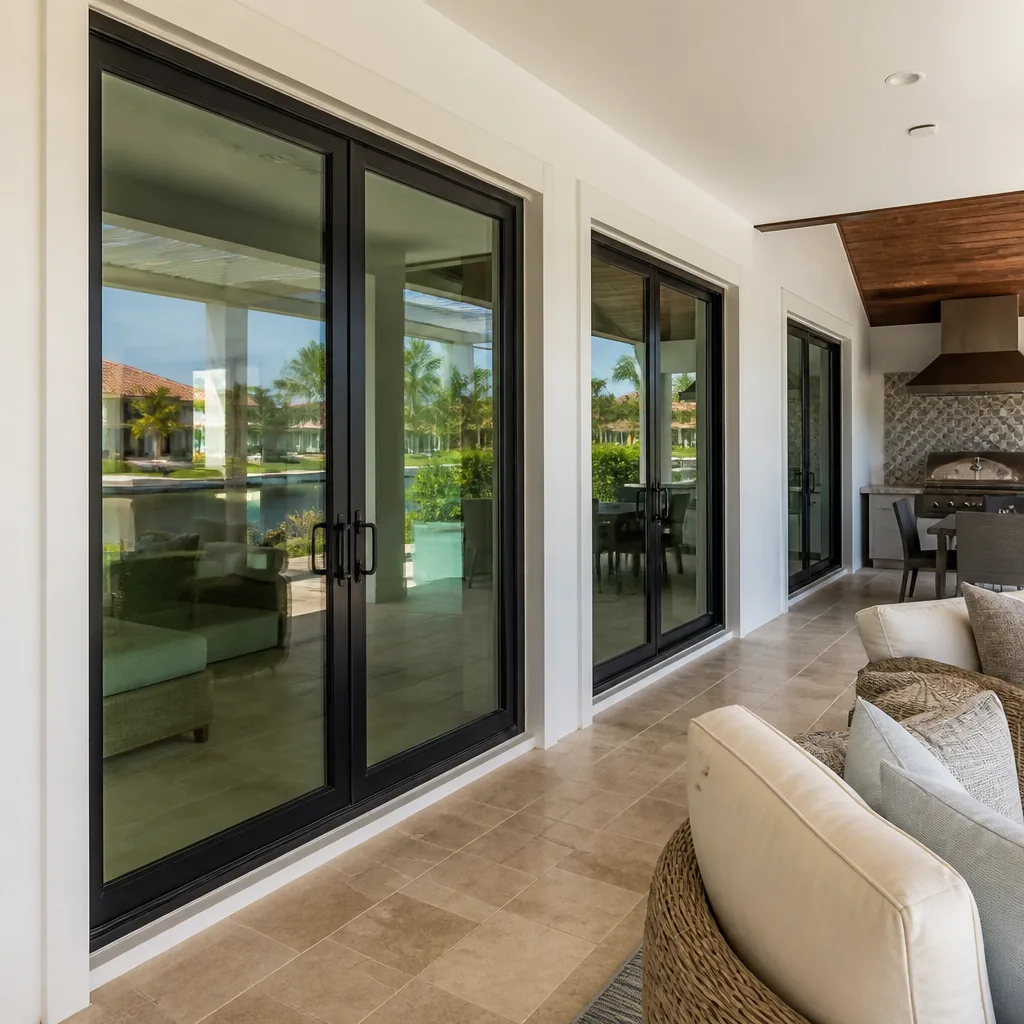
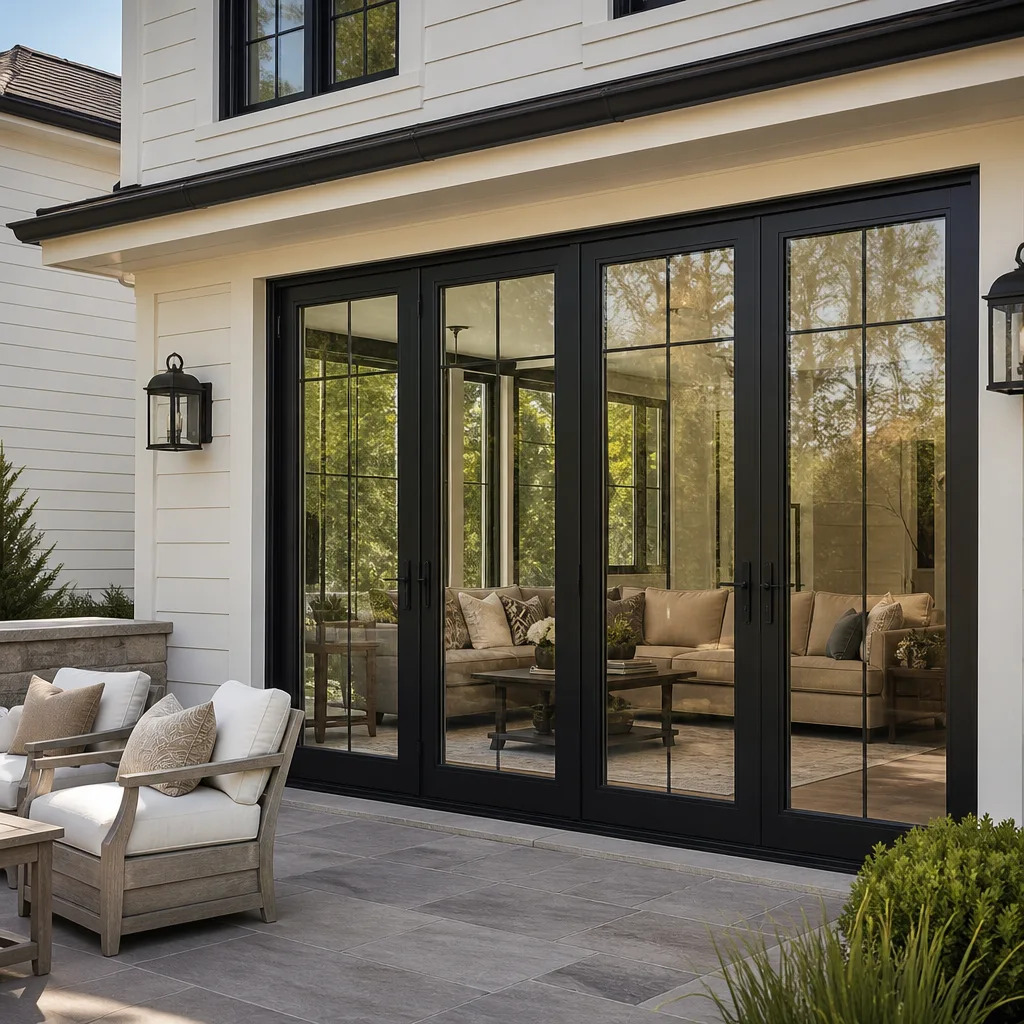
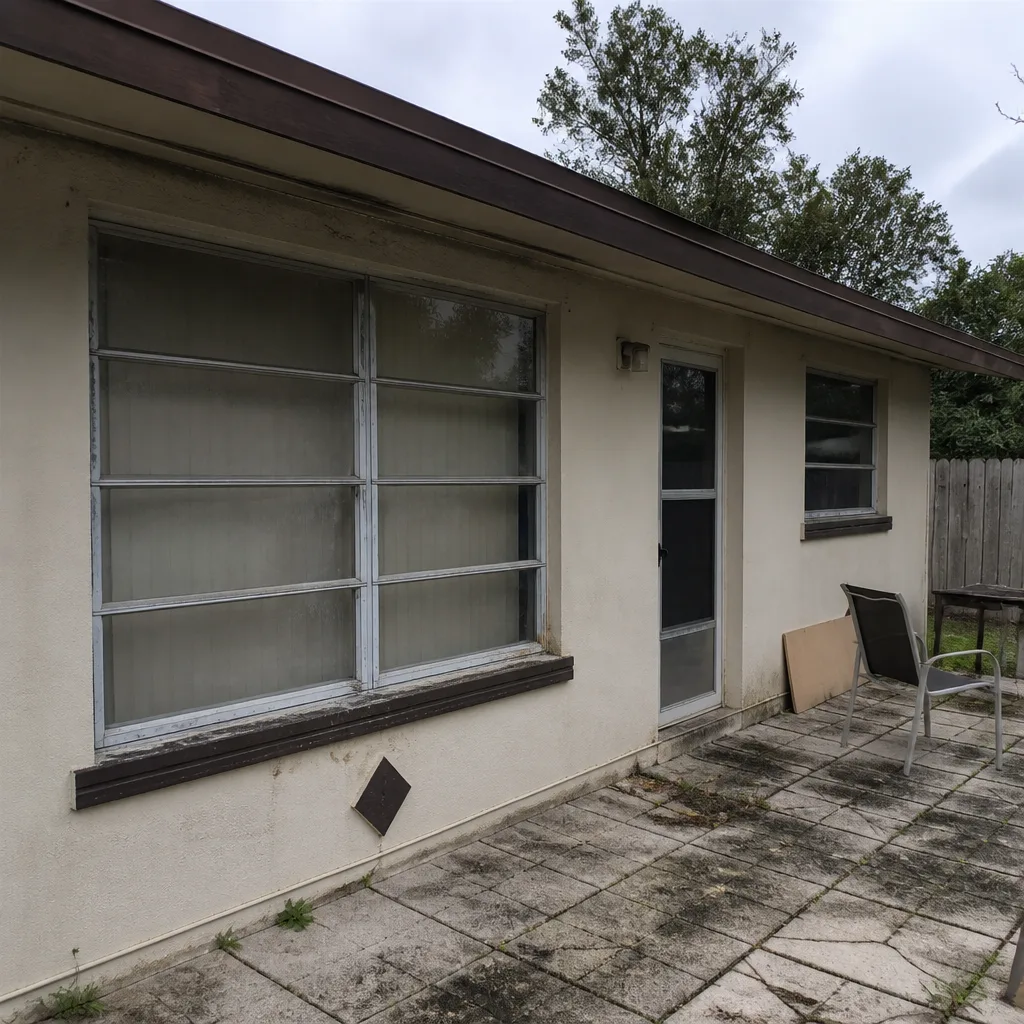 Before
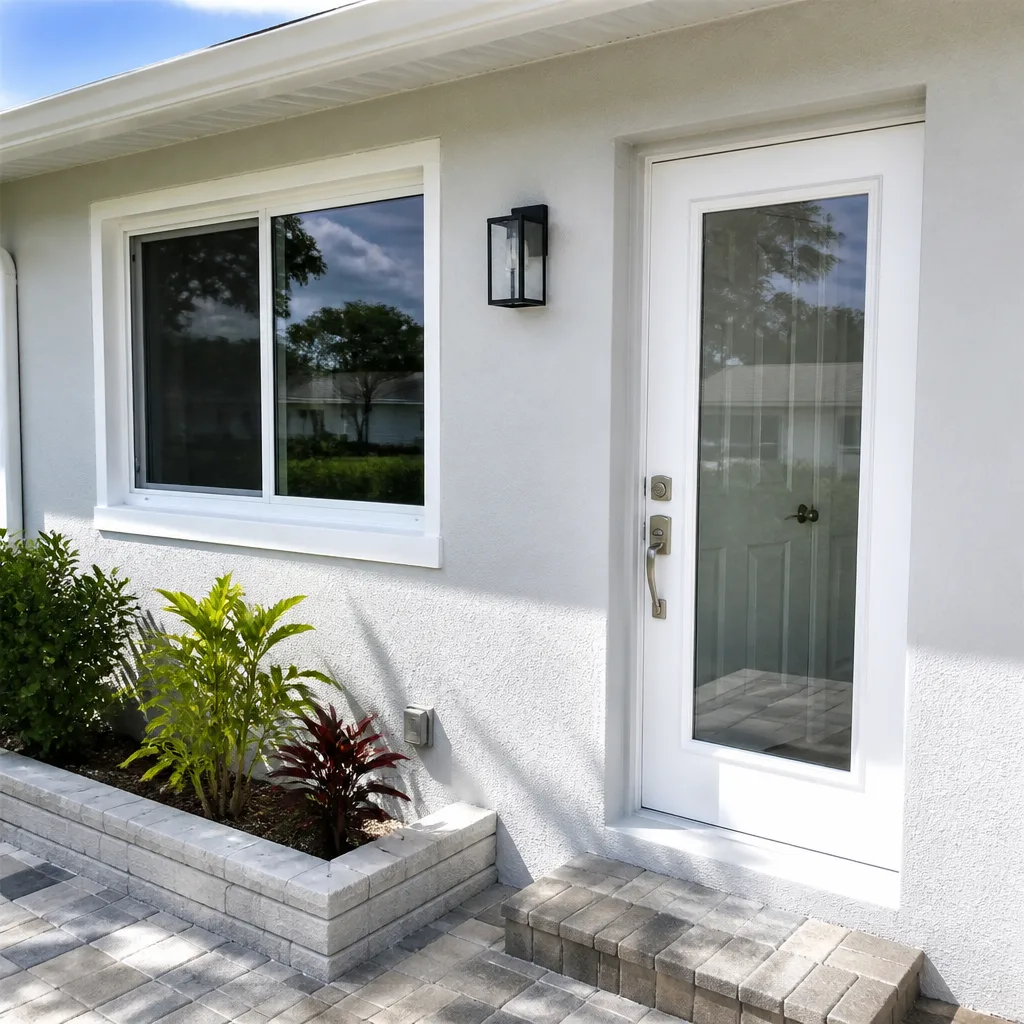 After
After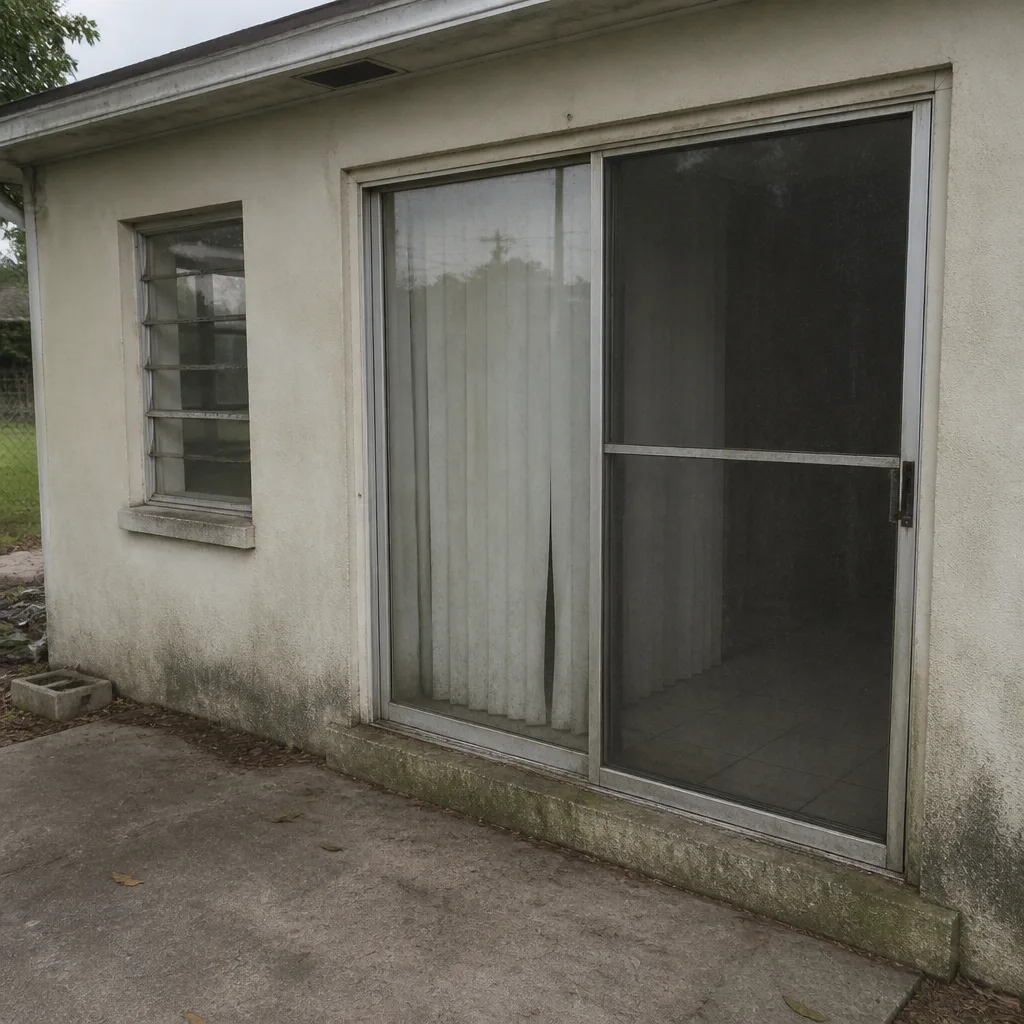 Before
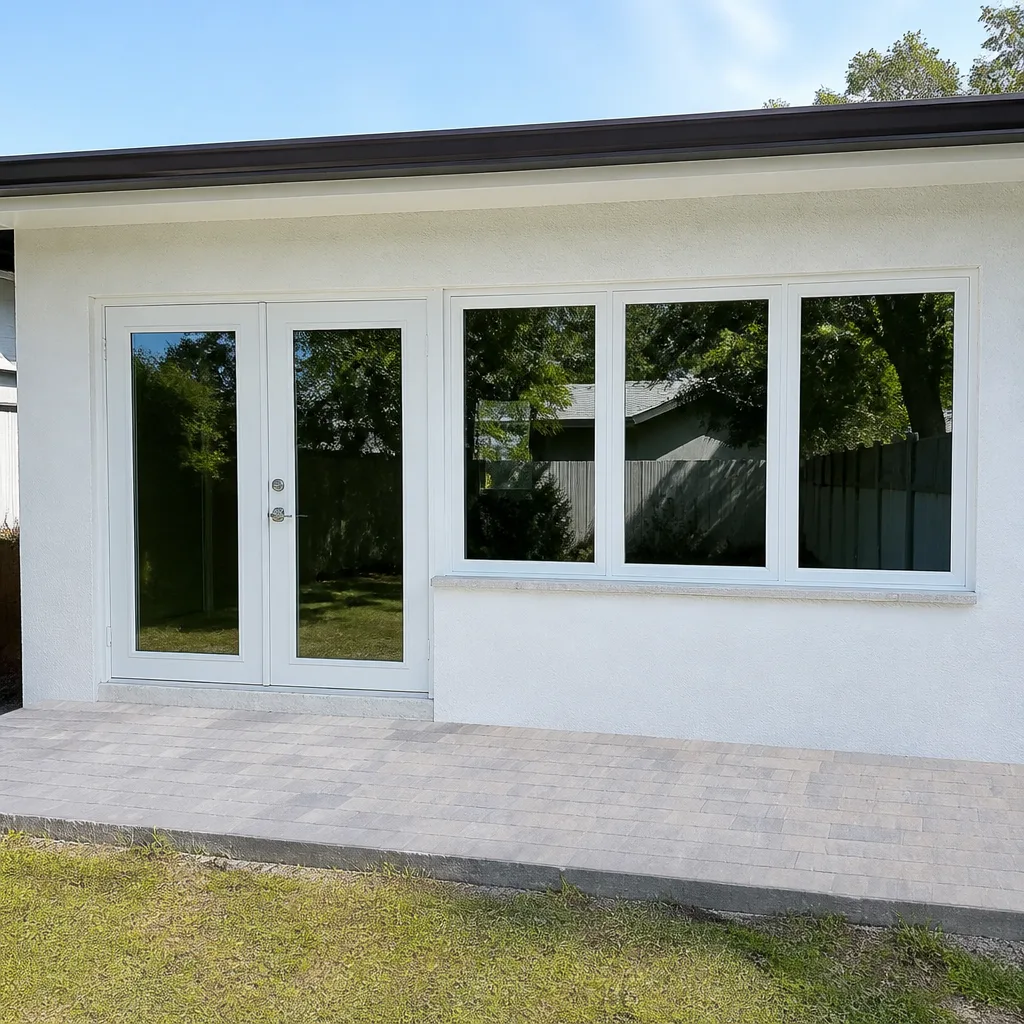 After
After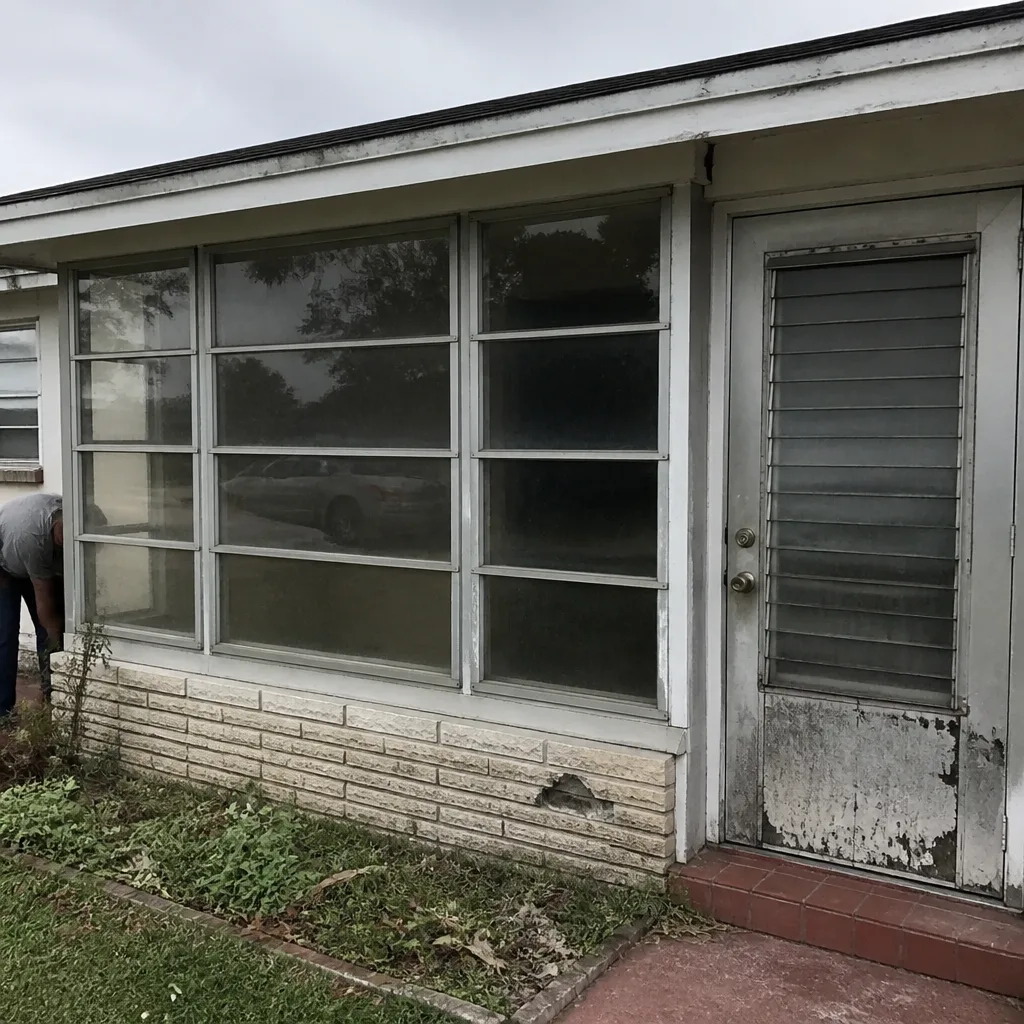 Before
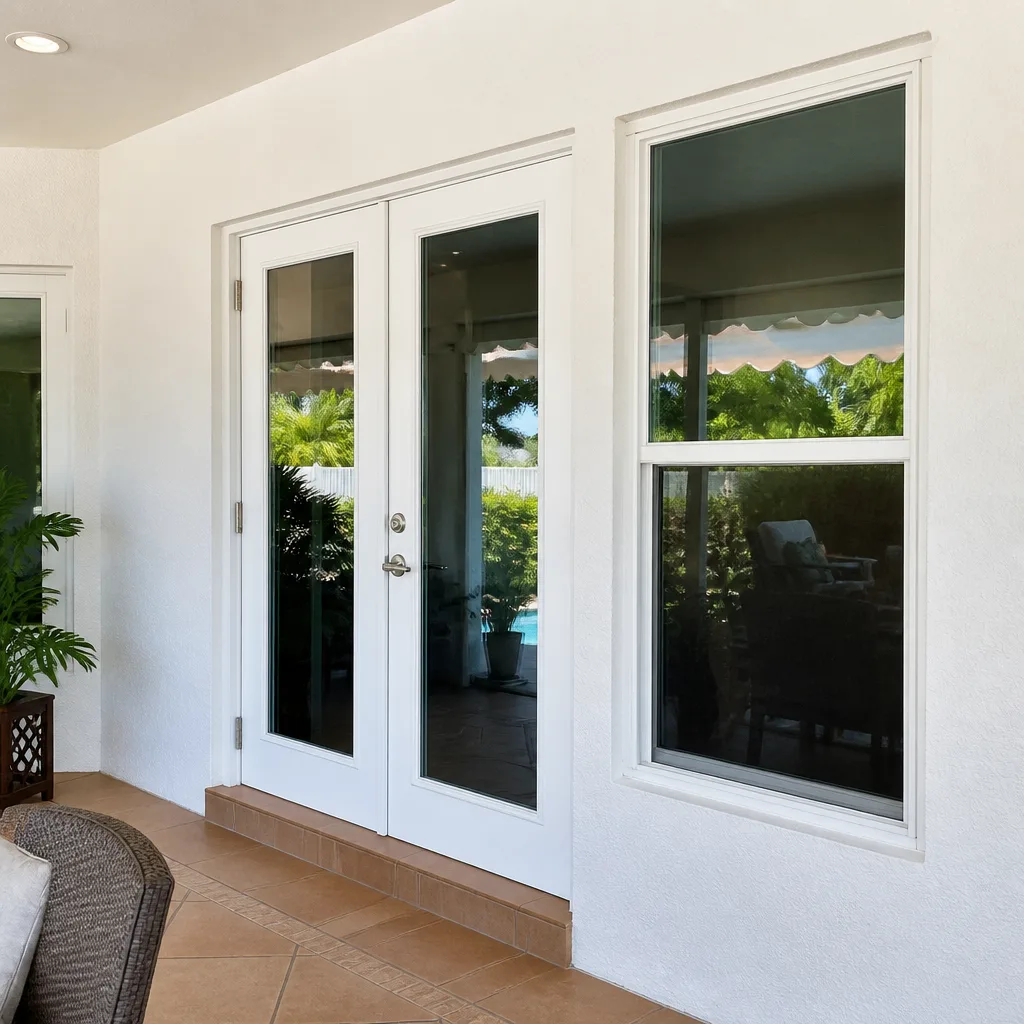 After
AfterSeasonal Windows & Doors Care for West Park: Year-Round Homeowner’s Guide
West Park averages 61 inches of rainfall annually, concentrated between June and November. A window seal that was marginal in March will be actively failing by August, and the damage accumulates behind the wall before it ever appears on the interior surface. This guide replaces the generic four-season template with what actually matters here: the six-month wet season that drives water intrusion failures, and the six-month dry season that drives UV degradation and hardware corrosion. You’ll learn the exact tests we use during our measured surveys, the documentation format Broward County home inspectors accept for pre-sale disclosures, and the failure modes - like interlaminar separation in impact glazing - that don’t look broken but have already stopped protecting your home.
Quick Answer
West Park homeowners should perform window and door maintenance on a two-season cycle, as outlined in our Window Installation Maintenance Checklist for West Park Homeowners: pre-wet-season inspection and sealing in April, post-storm-season impact glazing assessment in October, and continuous dry-season hardware lubrication from November through May. The critical tasks are testing weatherstripping compression with a dollar bill, checking impact-rated glass for interlaminar separation after storm exposure, and logging all findings in a dated format that Broward County inspectors recognize during pre-sale reviews.
Table of Contents
- April Pre-Wet-Season Tasks: Sealing Before the Rain Arrives
- The Dollar-Bill Test: Measuring Weatherstripping Compression
- June Through November: Monitoring During Active Rain
- October Post-Storm-Season: Impact Glazing Inspection
- November Through May: Dry-Season Hardware and UV Care
- UV Degradation Timeline by Frame Material
- How to Log Inspections for Broward County Disclosure
- Common Mistakes to Avoid
- When to Call a Professional
- Frequently Asked Questions
 Before
 After
AfterApril Pre-Wet-Season Tasks: Sealing Before the Rain Arrives
In West Park, April is the last reliable window for exterior work before daily afternoon thunderstorms become the norm. The soil has dried from winter, humidity is still below the 75 percent threshold that makes caulking cure inconsistently, and hardware hasn’t yet accumulated the summer’s salt residue. We schedule more measured surveys in April than any other month because the conditions let us document a true baseline.
Start with the exterior perimeter of every operable unit. Remove debris from weep holes - those small slots at the bottom of window frames that let condensed water escape. A weep hole blocked by paint, caulk, or insect debris turns the frame into a reservoir. In our experience across West Park, from the Carver Ranches area to the neighborhoods near McTyre Park, blocked weep holes account for roughly 30 percent of the frame rot we document on replacement surveys.
Next, inspect the exterior sealant bead where the window frame meets the wall cladding. South Florida’s thermal cycling - daily swings of 15 to 20 degrees even in “winter” - causes sealant to lose adhesion faster than in temperate climates. Look for:
- Gaps or bubbles in the bead wider than 1/8 inch
- Sealant that pulls away from either the frame or the wall
- Cracks that run perpendicular to the joint, indicating movement beyond the sealant’s elasticity
- Previous repairs with incompatible materials - silicone over acrylic, or vice versa - which fail within one season
Replace failed sealant with a neutral-cure silicone rated for UV exposure and joint movement of plus or minus 50 percent. The product specification matters: acid-cure silicone corrodes aluminum frames, and standard acrylic latex won’t survive a single wet season in West Park.
Check the sill pan flashing, particularly on sliding glass doors and windows with subsills. Water that gets past the primary seal must be directed back out. In West Park’s flat terrain with high water tables, improper sill pan installation is a common finding on homes built during the 2004-2007 construction wave. The pan should slope to the exterior, terminate with a visible drip edge, and show no evidence of standing water or staining.
Finally, operate every window and door through its full range. Binding, grinding, or uneven travel indicates frame racking, hardware wear, or debris in the track. Document the condition with dated photos - this becomes your baseline for the October comparison.
The Dollar-Bill Test: Measuring Weatherstripping Compression
Weatherstripping compression is the single most predictive factor for wet-season water intrusion, and it’s the element most homeowners assess incorrectly. A visual check isn’t enough. The seal must compress to a specific range: too little, and water and air pass through; too much, and the sash or panel won’t close fully, deforming the frame and creating new gaps.
We use a modified version of the ASTM E283 air leakage test protocol adapted for field conditions. You can approximate it with a standard dollar bill and a feeler gauge set, or the thickness gauge on a multi-tool.
- Close and latch the window or door normally. Do not apply extra force. The test measures the seal under ordinary use.
- Insert a dollar bill (0.0043 inches thick) between the sash and frame at the meeting rail or lock side. Slide it slowly along the seal path.
- Note where the bill slides freely, drags with resistance, or cannot be inserted. Freely sliding indicates inadequate compression. Cannot insert indicates excessive compression or seal deformation.
- At points of free sliding, measure the gap with a feeler gauge. Acceptable compression leaves a residual gap of 0.002 to 0.008 inches - the bill drags but moves. A gap of 0.010 inches or more (two dollar bills sliding freely) indicates seal failure.
- Repeat at four points: top, bottom, and both sides of operable units; top, bottom, and lock side for doors. Record each reading with the location.
In West Park’s salt-air environment, we see compression set - permanent deformation of the weatherstripping material - accelerate after four to five years of exposure. Compression set is irreversible; the seal must be replaced. For PGT and CGI units with replaceable bulb seals, the part number is stamped on the extrusion. For CWS and ECO Window Systems products, contact the manufacturer with the unit serial number - the seal profile varies by production year.
The dollar-bill test takes roughly three minutes per opening. Perform it on every operable unit in April, and spot-check any unit that showed marginal readings (0.008 to 0.010 inches) monthly during the wet season.
June Through November: Monitoring During Active Rain
West Park’s wet season isn’t uniform. June and July bring convective storms - brief, intense, directional. August through October adds tropical systems with sustained wind-driven rain that tests every seal from multiple angles. Your monitoring strategy should distinguish these modes.
After every significant storm, inspect the interior perimeter of windows and doors for:
- Discoloration or bubbling of paint or drywall within 6 inches of the frame
- Condensation between panes on dual-glazed units - indicating seal breach, not just humidity
- Standing water in the track of sliding doors or windows, beyond what normal weep drainage would leave
- Musty odor near the frame, suggesting water accumulation in the wall cavity
Directional storms expose weaknesses that convective rain misses. A window that faces east may leak only during a tropical system’s easterly winds, then appear sound for months. Note the storm date and wind direction in your log - this pattern recognition is valuable for both repair targeting and inspector documentation.
For impact-rated units, the interlayer (typically polyvinyl butyral, or PVB) absorbs moisture over time. Prolonged exposure to wind-driven rain can cause edge delamination even if the glass faces appear intact. The early sign is a milky or foggy band 1/4 to 1/2 inch wide at the glass perimeter, visible when the interior is darker than the exterior. This is not surface condensation. It is interlaminar moisture intrusion, and it degrades the impact resistance progressively. We’ll cover full assessment in the October section.
During active storms, do not attempt exterior inspection or temporary sealing. Wind gusts in West Park regularly exceed 40 mph during summer thunderstorms, and ladder work in these conditions is hazardous. Interior monitoring and documentation are the appropriate response. If active leaking occurs, contain the water with towels and a container, photograph the collection point and any visible trail, and schedule professional assessment when conditions permit.
October Post-Storm-Season: Impact Glazing Inspection

October is the critical inspection window. The wet season’s accumulated stress is present but not yet masked by dry-season contraction. Hurricane season is technically still active, but the frequency of severe events drops sharply after mid-October in most years. This is when we document the most replacement recommendations in West Park.
Impact glazing failure has three modes, and only one is obvious:
- Fracture or penetration. Visible damage requiring immediate replacement. This is rare for code-compliant installations.
- Edge delamination. The milky perimeter band described above, caused by moisture ingress at the glass edge. The glass faces are intact, but the interlayer has separated locally. Impact resistance is reduced proportionally to the delaminated area.
- Interlaminar separation without visible edge symptoms. The most dangerous mode. The glass and interlayer separate internally, creating a lens effect or subtle optical distortion. The unit appears sound but will fail to retain debris during impact.
To identify mode 3, use this field test we developed for our documented photo records:
- Stand inside, 3 to 4 feet from the glass, with the exterior fully sunlit. Darken the interior as much as practical.
- Look across the glass surface at a shallow angle, not straight through. You’re observing the glass-interlayer interface, not the view beyond.
- Move your head slowly while fixing your gaze on a distant exterior point. Interlaminar separation creates a localized ripple or prism effect - the distant point appears to shift or distort as your angle changes.
- Mark any suspect area with painter’s tape and photograph it from multiple angles. The photo record is essential for insurance or warranty claims.
Any impact unit showing mode 2 or 3 should be evaluated for replacement. The Window Replacement in West Park process begins with our measured survey, which documents the existing unit’s dimensions, attachment method, and any structural modifications needed for current code compliance. For ES Windows and Mr-Glass products, the original purchase documentation will indicate whether the warranty covers delamination - typically 10 years for residential applications.
Also inspect the frame drainage in October. Six months of wet-season operation may have deposited enough debris to partially block weep holes. Clean with a soft brush or compressed air, never a wire or drill bit that would enlarge the opening and compromise the water barrier.
November Through May: Dry-Season Hardware and UV Care
West Park’s dry season brings lower humidity, consistent UV exposure, and salt-laden air from easterly trade winds. These conditions stress hardware and frame surfaces differently than the wet season. The maintenance tasks shift from water management to material preservation and mechanical function.
Hardware lubrication is the priority. Salt air corrodes all metals, but the appropriate lubricant varies by hardware material:
- Stainless steel hinges, pivots, and multi-point locks: Dry PTFE-based lubricant or white lithium grease. Oil-based products attract dust and salt residue, forming an abrasive paste. Apply every 90 days during dry season.
- Anodized aluminum tracks and rollers: Silicone spray or dry graphite. Never petroleum-based lubricants - they react with aluminum oxide and cause galling. Clean the track first with a vacuum and damp cloth, allow to dry fully, then apply sparingly. Every 60 days for high-use sliders.
- Brass or bronze hardware (common on Therma-Tru door sets): Light machine oil or specialized brass lubricant. These alloys don’t corrode rapidly in salt air but can seize if completely dry. Every 120 days.
Operate every lock, latch, and hinge through its full cycle after lubrication. Multi-point door locks should engage all points simultaneously; if the handle requires excessive force or points engage sequentially, the frame may have settled or the keepers may need adjustment. This is a common finding on Door Installation in West Park follow-up surveys for homes on fill soils or with active foundation movement.
Frame cleaning removes the salt film that accumulates imperceptibly. Use fresh water and mild detergent - never ammonia on vinyl, never abrasive pads on anodized aluminum. The goal is removing chloride ions, not achieving cosmetic perfection. Rinse thoroughly; residual detergent is itself hygroscopic and will accelerate corrosion when humidity returns.
Screen inspection belongs in dry-season maintenance. Screens see their heaviest use when windows are open for ventilation, and damaged mesh admits insects that clog weep holes and track drainage. Check for tears, frame bowing, and spline retention. Replacement screen with 18×16 mesh is standard; 20×20 no-see-um mesh is available for homes near wetland margins in West Park.
UV Degradation Timeline by Frame Material
South Florida’s UV intensity, measured in kilolangleys per year, is approximately 40 percent higher than the national average. Frame materials respond on different timelines, and the distinction between cosmetic and structural degradation matters for maintenance decisions and pre-sale disclosures.
Vinyl (uPVC): Surface oxidation begins at 3 to 5 years of full exposure. The surface chalks - a white residue visible on a dark cloth when wiped. This is cosmetic; the material beneath retains structural properties. At 8 to 12 years, plasticizer loss causes dimensional change: the frame becomes brittle, corners may crack, and the glazing bead loses flexibility. This is structural. A chalking frame needs cleaning and UV-protective treatment. A brittle frame needs replacement. We’ve documented this progression on hundreds of Window Installation in West Park surveys; the 2005-2008 construction vintage is now predominantly in the structural phase.
Aluminum (anodized): Anodizing thickness is measured in microns. Residential window anodizing is typically 15-20 microns; architectural grade is 25 microns. UV doesn’t directly degrade anodizing, but thermal cycling causes microcracking that admits salt and moisture. The timeline is 15-25 years for residential grade in coastal exposure. The failure mode is pitting corrosion beneath the anodized layer, visible as raised white or gray spots. Once pitting begins, it accelerates. Early-stage pitting can be arrested with cleaning and conversion coating; advanced pitting requires frame replacement.
Aluminum (painted/powder-coated): Chalking and color shift begin at 5-8 years for standard polyester powder coat, 10-15 years for fluoropolymer (PVDF) formulations. The coating protects the substrate; when it fails, corrosion follows quickly. Touch-up is possible for minor damage; full recoat is rarely cost-effective compared to replacement.
Fiberglass/composite: UV degradation is minimal through 20+ years. The failure mode is gel coat crazing - fine surface cracking that admits moisture to the glass fiber. Crazing appears first on south and west exposures. It is structural when the crack depth reaches the fiber layer, typically 0.5 to 1.0 mm. A pin probe or dental pick can assess depth; if the tool catches, the crazing is structural.
Wood and wood-clad: Not recommended for West Park’s climate without exceptional maintenance. Where present, inspect cladding integrity annually; any breach at the joint or fastener point admits moisture that the wood cannot dry adequately in humid conditions.
How to Log Inspections for Broward County Disclosure
Broward County’s seller disclosure requirements, governed by Windows & Doors Permits, Codes & Inspections in FL: What You Need to Know and Florida Statute 689.25, obligate sellers to disclose known defects affecting the property’s value. A documented maintenance history strengthens the seller’s position and expedites inspection. More importantly, it demonstrates due diligence if a post-sale dispute arises.
The format we use for our customers, and that we’ve seen accepted by West Park-area home inspectors, contains these elements:
- Property identification: Address, parcel number, and a sketch or photo of each elevation showing opening locations.
- Unit inventory: Manufacturer, product line, approximate installation date, and any visible serial numbers. For impact-rated units, include the Miami-Dade or Florida Product Approval number from the permanent label.
- Dated inspection records: Each entry lists the date, inspector name, weather conditions, and findings by unit location (e.g., “Master bedroom, east window”). Findings are categorized: satisfactory, monitor, or repair/replace needed.
- Measurement data: For weatherstripping tests, record the residual gap at each test point. For impact glazing, note the inspection method and result.
- Photographic evidence: Date-stamped photos of any finding categorized “monitor” or “repair/replace.” Include a scale reference where size matters.
- Action taken: Date and description of any repair, with contractor name and invoice number if professional work was performed.
- Current status summary: A table listing all units with their most recent status and next scheduled inspection date.
Store the log digitally with cloud backup and provide a printed copy to the inspector during pre-sale review. The inspector’s role is to verify current condition, not to vouch for historical maintenance. Your documentation shifts the conversation from “what’s hidden” to “what’s documented and current.”
For homeowners who purchased between 2015 and 2025 and may sell within the next decade, starting this log now creates a record that distinguishes your property in a market where disclosure disputes are increasingly common. The Sightline Windows & Doors West Park home page includes our inspection documentation standards as a reference.
Common Mistakes to Avoid
- Using silicone spray on vinyl weatherstripping. The petroleum carrier in some silicone sprays degrades EPDM and TPE seals. Use products specifically labeled safe for rubber and vinyl.
- Caulking over weep holes. We’ve found this on at least a dozen West Park homes annually - a well-meaning attempt to “seal” the window that traps water in the frame. Weep holes are intentional drainage; they must remain open.
- Pressure-washing window and door frames. The high-pressure stream drives water past seals and into wall cavities. It also strips anodizing and damages glazing tape. Use low-pressure rinse and soft brush only.
- Ignoring impact glazing after “near misses.” A tropical storm that doesn’t break the glass can still cause interlaminar stress through frame racking and pressure cycling. The October inspection exists for this reason.
- Using WD-40 as a long-term lubricant. WD-40 is a water displacer and light solvent, not a lubricant. It evaporates within days, leaving hardware unprotected. Use the material-appropriate products listed above.
- Failing to document “no findings.” A clean inspection with dated photos proves the condition at that date. If damage appears later, the timeline supports warranty or insurance claims.
When to Call a Professional
Some conditions require assessment beyond homeowner capability. Call for professional evaluation if you observe: active water intrusion during rain that you cannot trace to a visible seal failure; interlaminar separation or edge delamination in impact glazing; frame deformation, cracking, or corrosion that affects structural integrity; hardware failure that prevents secure latching; or any condition that appears in your documentation to be worsening between inspections.
Sightline Windows & Doors West Park offers free estimates in West Park, and you can find more guides & resources on our blog. Our measured survey produces a written scope and price before any work is discussed, and every completed job includes a documented photo record. Call (786) 685-4706 to schedule.
Frequently Asked Questions
Replacement weatherstripping for standard residential windows ranges from $8 to $25 per linear foot installed, depending on the profile complexity and whether the sash must be removed for access; see our Windows & Doors Cost Breakdown: The West Park Homeowner’s Reference for 2026 for fuller pricing context. For a typical double-hung window with two operable sashes, expect $120 to $280 for complete seal replacement. Call (786) 685-4706 for an exact quote on your specific units - estimates are free.
Yes. Edge delamination appears as a milky band at the glass perimeter. Interlaminar separation without visible edge symptoms is detectable by the ripple test described in the October inspection section - observing optical distortion at shallow angles with the interior darkened. Both conditions reduce impact resistance and warrant professional assessment.
Stainless steel hardware: every 90 days during dry season. Anodized aluminum tracks: every 60 days for high-use sliders. Brass or bronze: every 120 days. These intervals account for salt-air exposure; inland climates allow longer intervals.
No. Haven Clause 1 requires that our written quote, derived from the measured survey you keep, is the final price. The measurement and the quote are the same document. No change orders for conditions that were visible during survey, no material substitutions without written approval.
Yes. Even if the glass faces are intact, frame racking and pressure cycling from nearby tropical storm or hurricane conditions can cause interlaminar stress. Perform the full October inspection protocol after any named storm passes within 100 miles. Document the date and storm identifier for your disclosure log.
Surface chalking begins at 3 to 5 years and is cosmetic. Structural degradation - brittleness, corner cracking, glazing bead failure - typically appears at 8 to 12 years of full exposure. South-facing units degrade faster; units under continuous porch cover may exceed 15 years. The timeline shortens if the original formulation lacked adequate UV stabilizers, which was common in 2004-2007 production.
The Bottom Line
West Park’s climate demands a two-season maintenance approach, not a four-season checklist. Seal and test in April before the rains concentrate. Monitor and document through June to November, when water finds every marginal seal. Inspect impact glazing in October for the failure modes that don’t look like damage. Preserve hardware and frames from November to May, when UV and salt air do their gradual work. Log everything in a format Broward County inspectors recognize. The homeowners who avoid catastrophic replacement costs are those who treat maintenance as measured, documented work - not as a response to visible damage.
Written by Sonia Raman, Owner at Sightline Windows & Doors West Park, serving West Park since 2012.