
Last updated September 24, 2026
Free in-home measure and quote - PGT, CGI and CWS impact lines compared on your actual openings, style by style
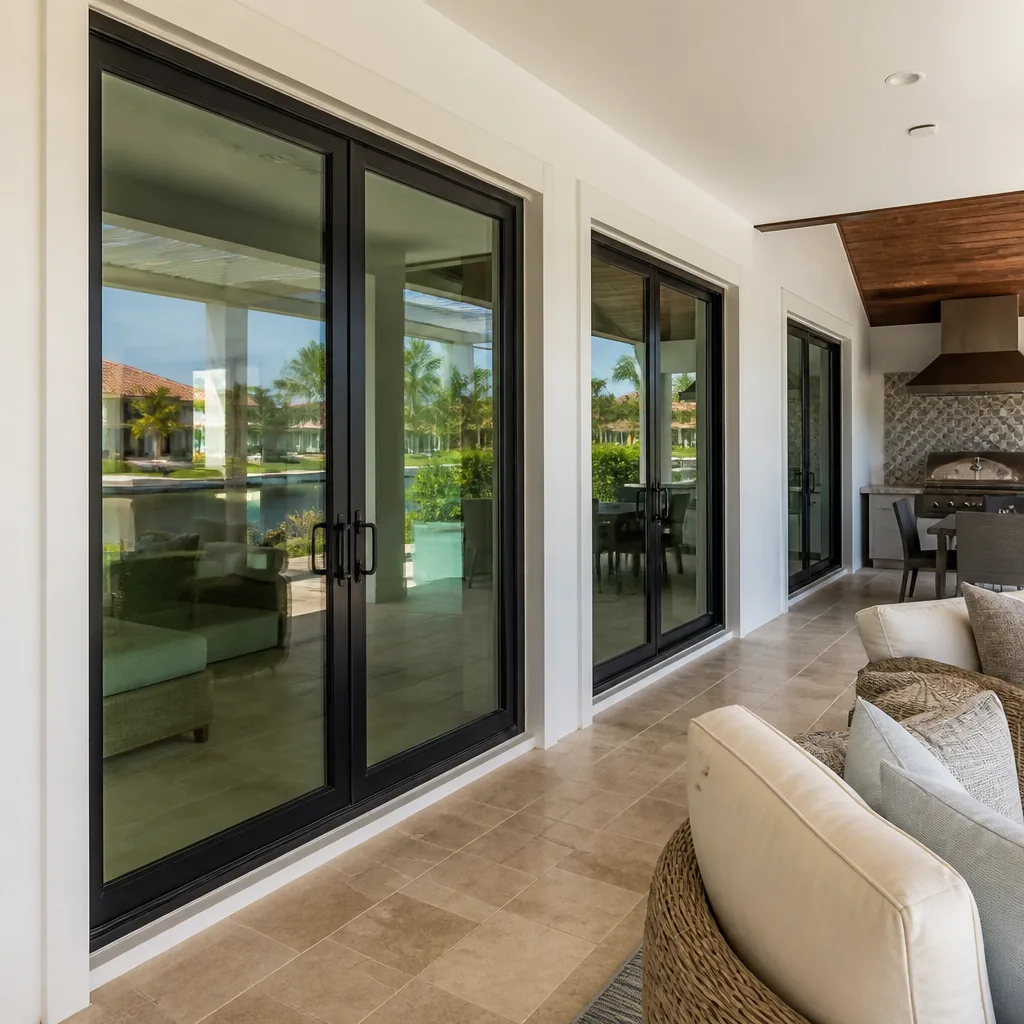
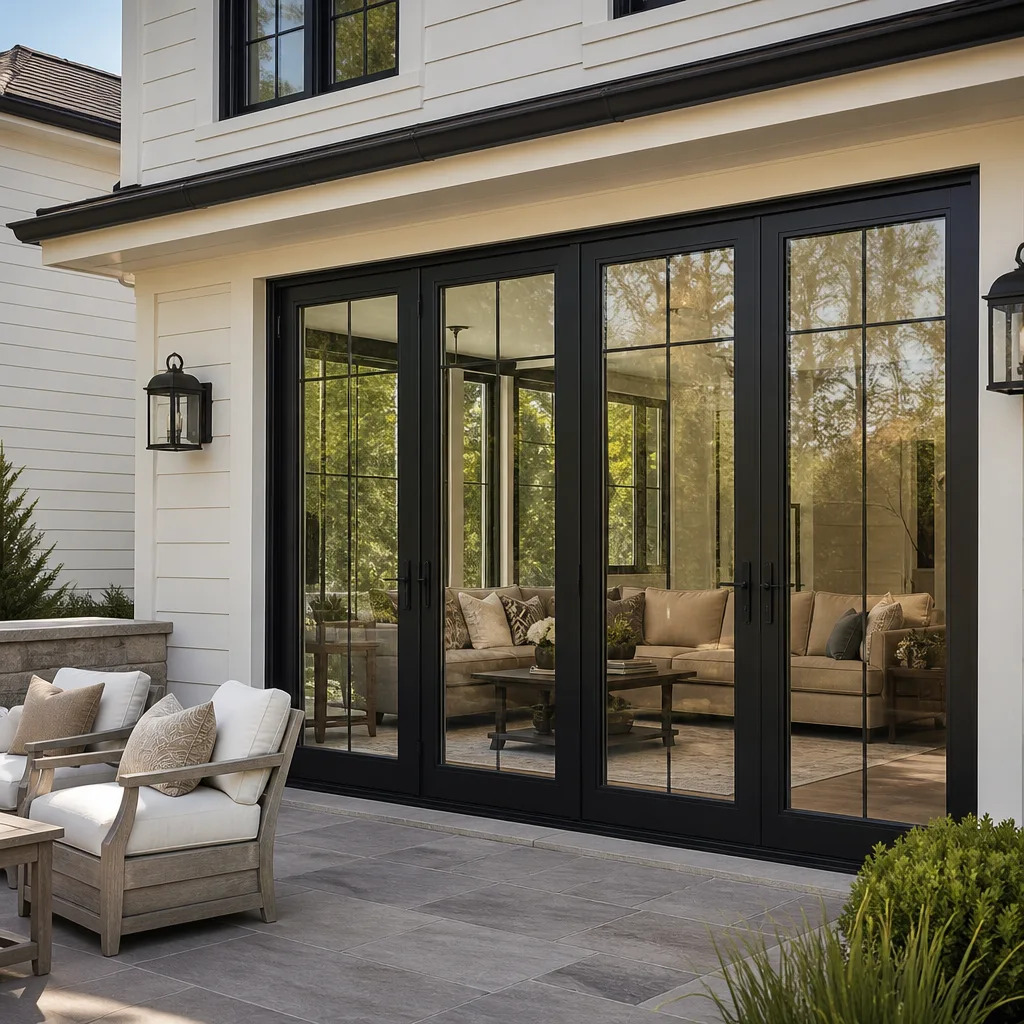
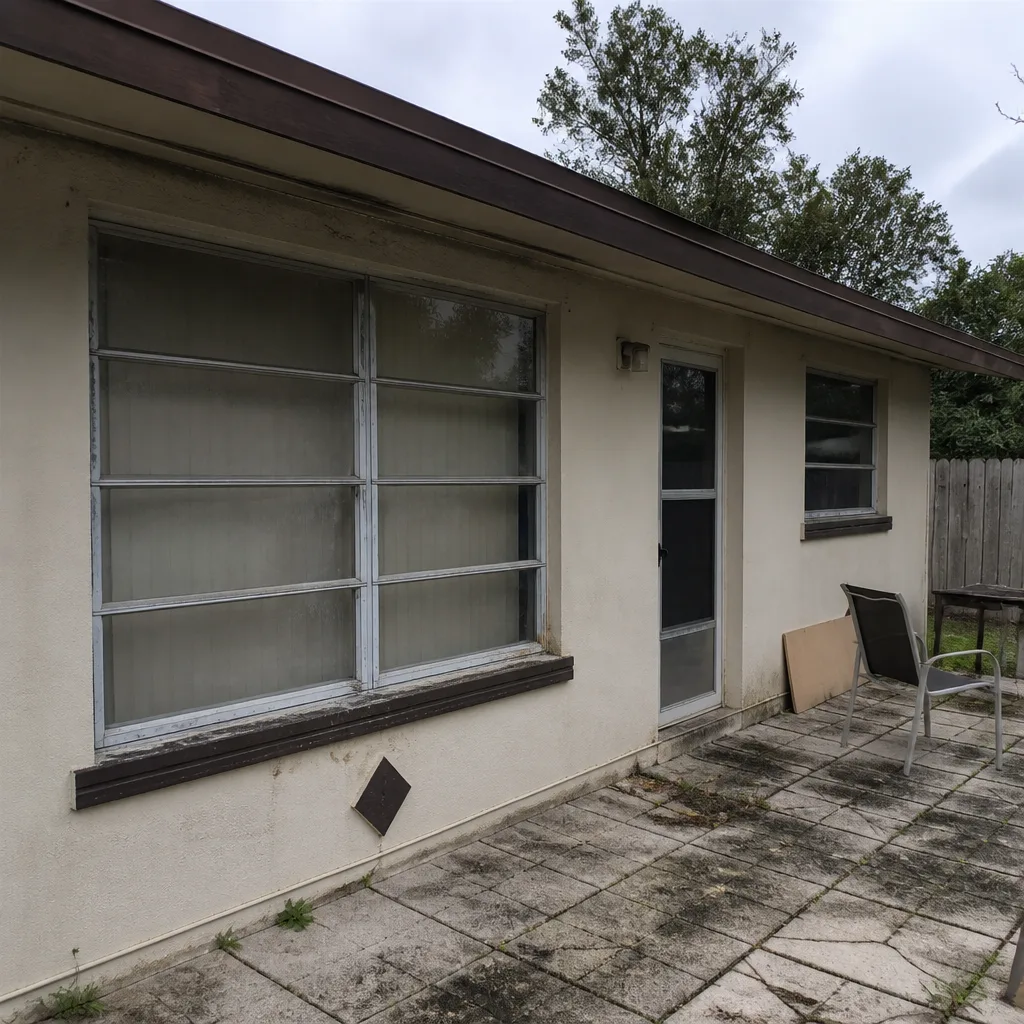 Before
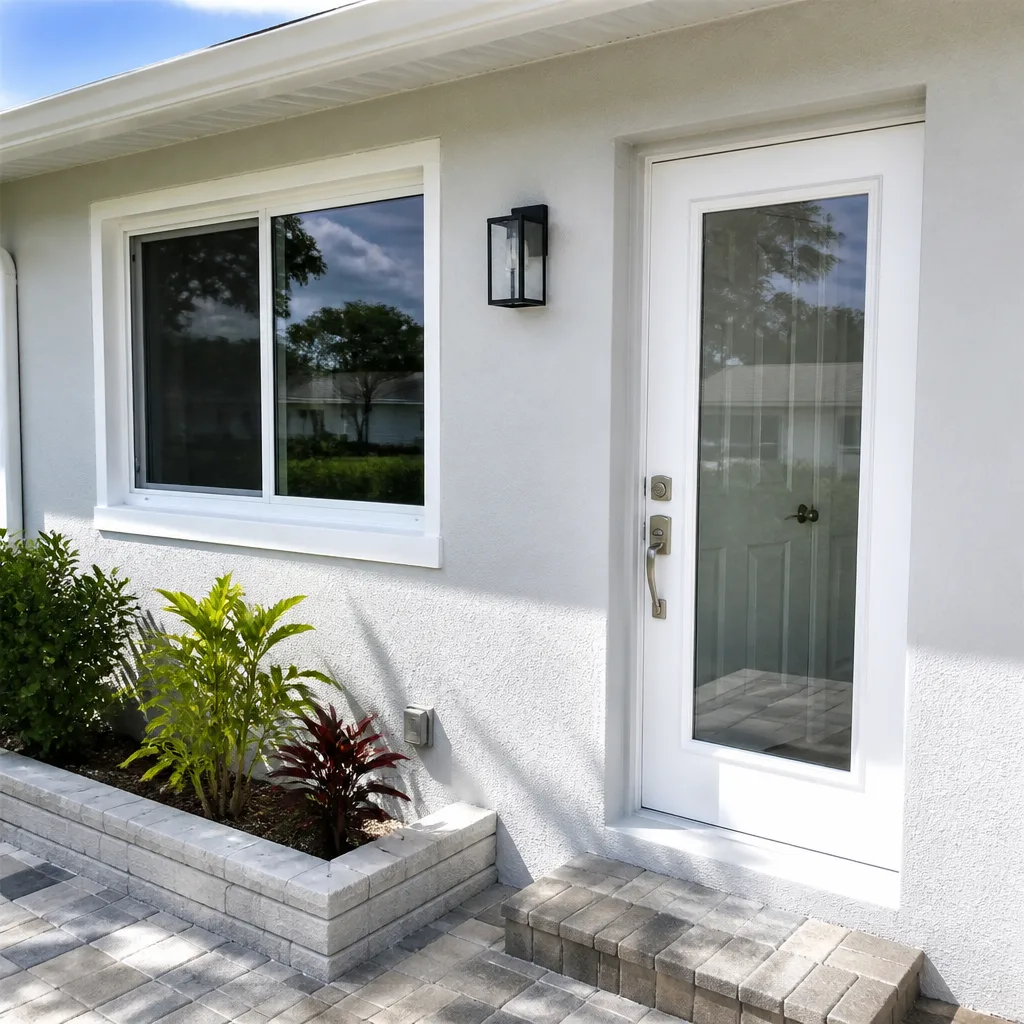 After
After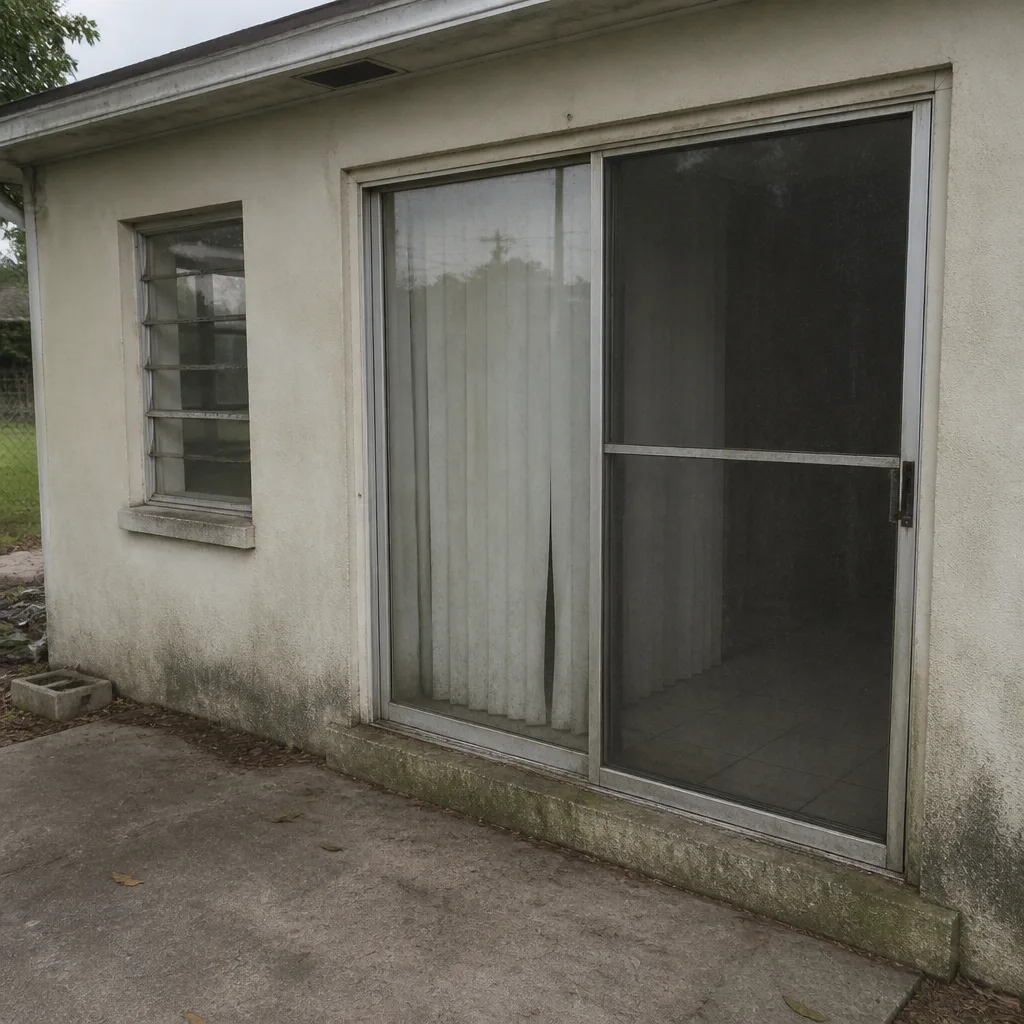 Before
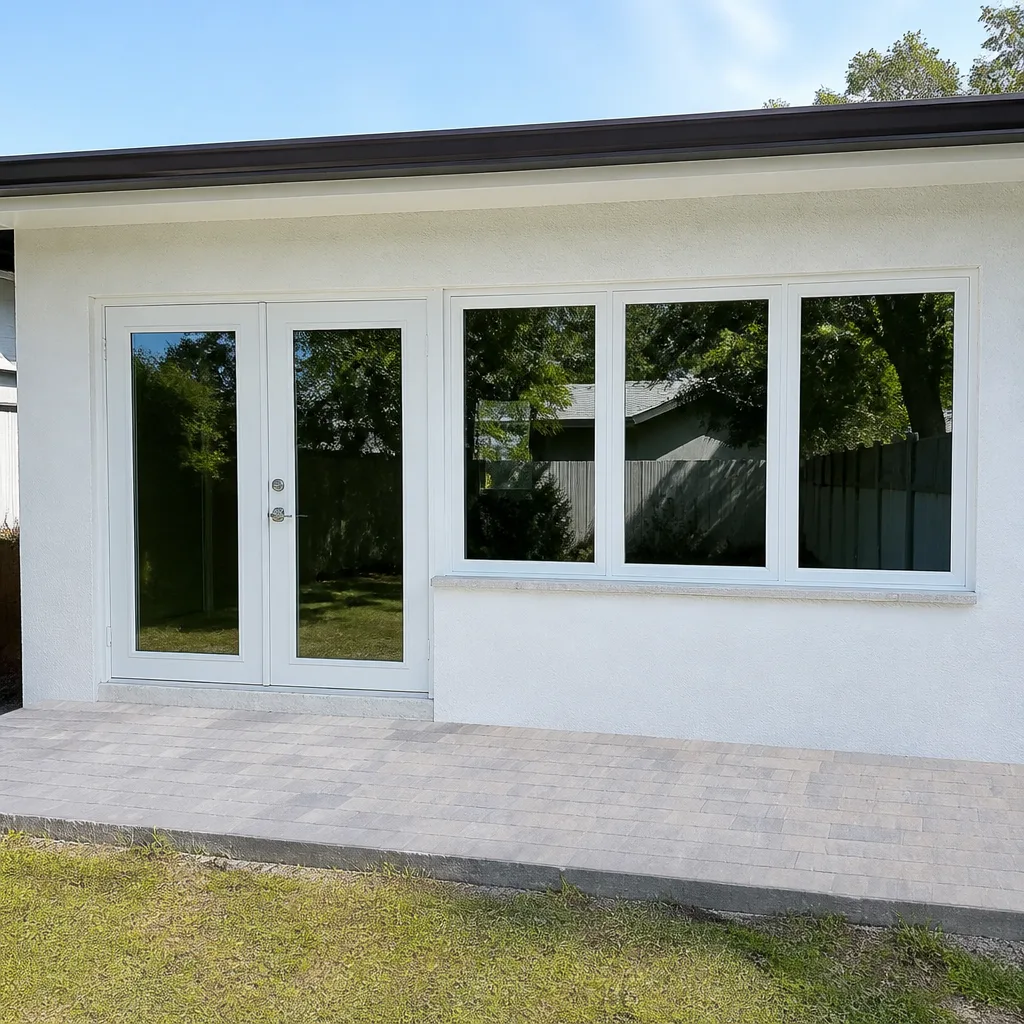 After
After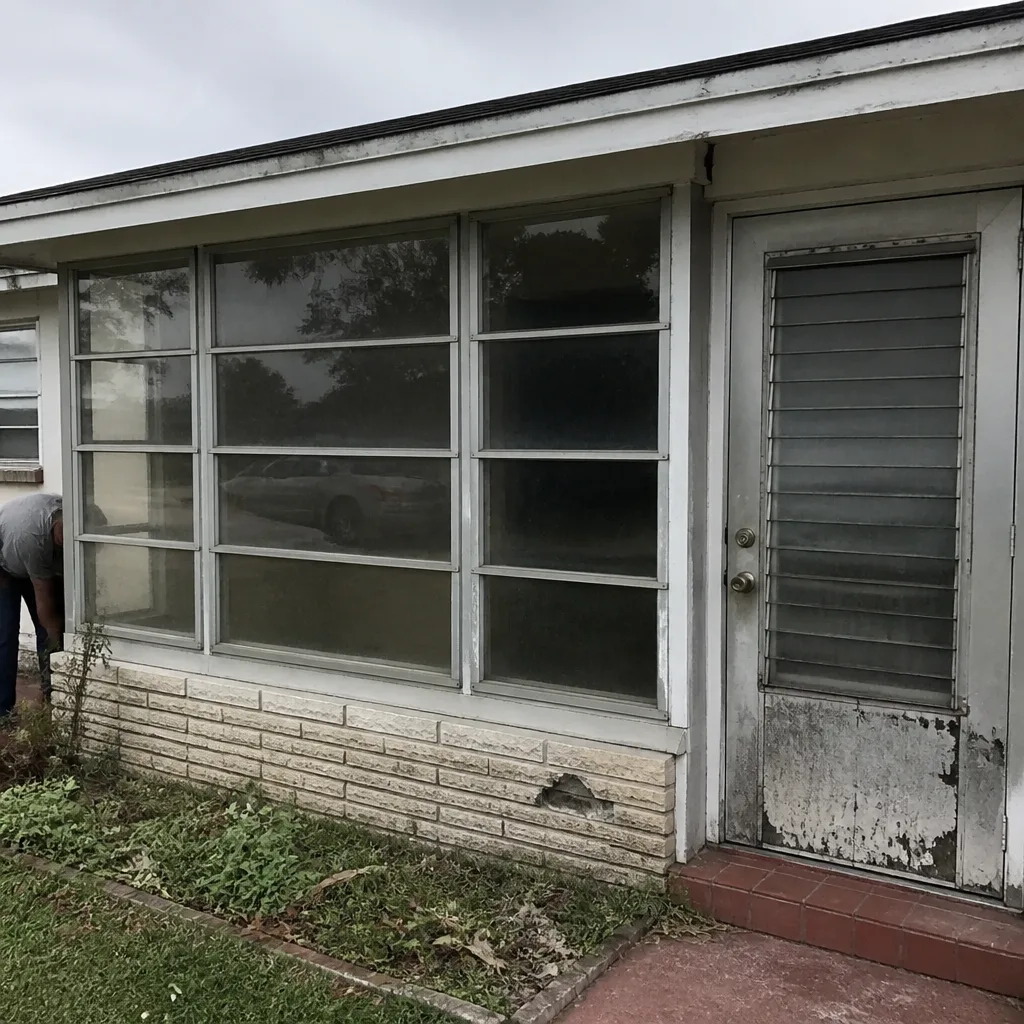 Before
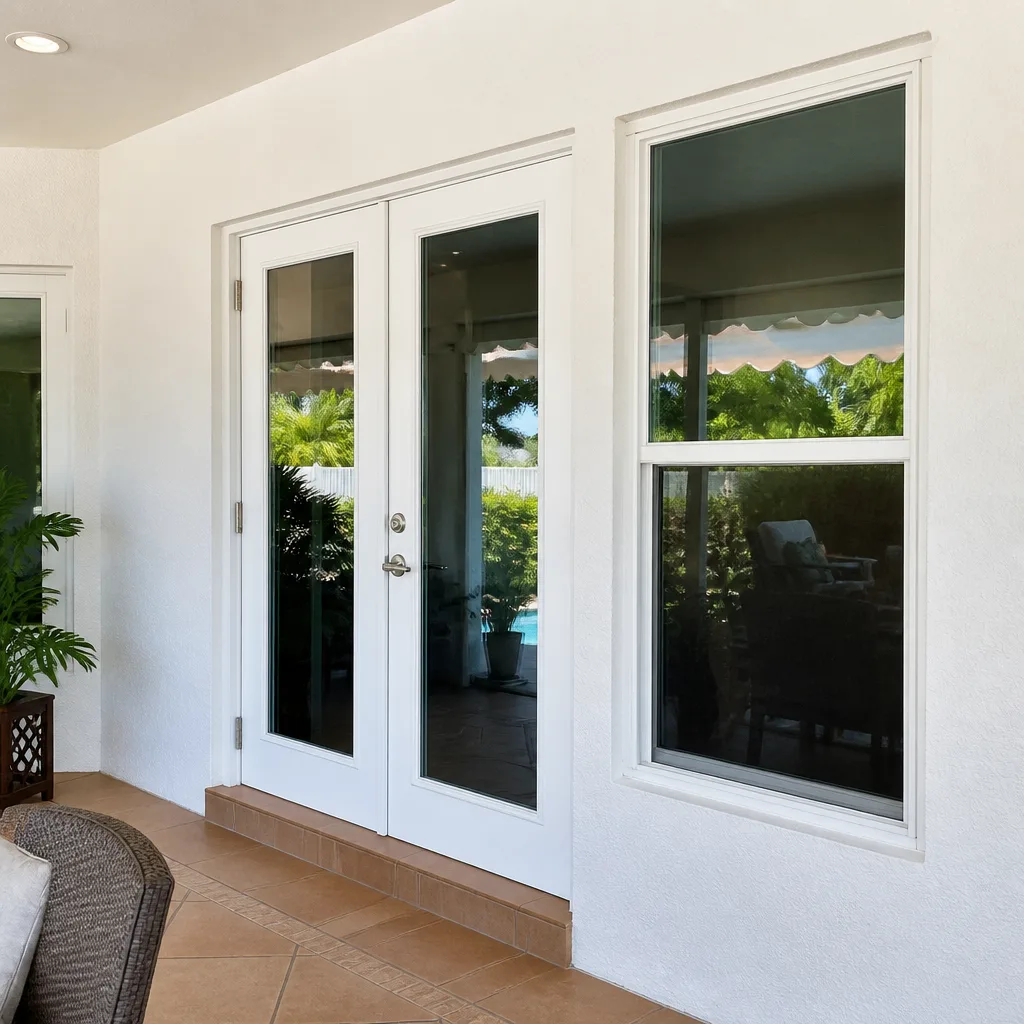 After
AfterWindow Installation Maintenance Checklist for West Park Homeowners
A clogged weep hole costs nothing to clear with a toothpick. The water intrusion damage it prevents in a single South Florida rainy season averages $4,200 per opening according to Broward County adjuster estimates. Yet most window maintenance checklists are written for temperate climates and skip the two tasks - sill weep-hole clearing and impact-glazing seal inspection - that matter most in West Park’s wet season. This guide is structured around the actual failure sequence we document in West Park homes, not a generic calendar. You’ll learn what to inspect, when to inspect it, how to document it for insurance or resale, and which tasks will void your manufacturer warranty if you attempt them yourself, and when to call our Window Installation services instead.
Quick Answer
West Park homeowners should run a window maintenance checklist twice yearly: in April before the rainy season and in November after hurricane season. Each inspection covers weep holes, weatherstripping compression, sill caulk adhesion, impact glazing seals, frame fasteners, and hardware lubrication compatible with your frame material. Document every check with dated photographs - this record is usable for insurance claims and Florida resale disclosures. For Windows & Doors Permits, Codes & Inspections in FL: What You Need to Know, see our dedicated guide.
Table of Contents
- Why West Park’s Climate Dictates a Different Checklist
- Pre-Rainy Season Checklist (April)
- Post-Hurricane Season Checklist (November)
- Documenting Your Inspections for Insurance and Resale
- Warranty-Voiding Tasks: What Requires a Licensed Contractor in Florida
- Lubrication Compatibility by Frame Material
- Common Mistakes to Avoid
- When to Call a Professional
- Frequently Asked Questions
- The Bottom Line
 Before
 After
AfterWhy West Park’s Climate Dictates a Different Checklist
West Park sits in Broward County’s coastal zone with a tropical rainforest climate classification - roughly 63 inches of annual rainfall concentrated in a six-month wet season, sustained humidity above 75 percent, and salt-laden air from the Atlantic less than four miles east. These conditions create a specific failure sequence that differs from inland or northern markets.
We’ve documented this sequence across thousands of window installations in West Park and surrounding Broward County openings since 2012. The pattern is consistent: water finds the path of least resistance, and in this climate, that path is almost always the weep hole, then the sill, then the frame fastener. By the time a homeowner notices interior staining, the damage has progressed through multiple layers.
The salt air compounds the issue. Aluminum frames in West Park develop galvanic corrosion at fastener points faster than Orlando or Tampa equivalents. Vinyl frames expand and contract more aggressively in the heat-humidity cycle, stressing corner welds and weatherstripping channels. Impact-rated glazing, required by the Florida Building Code in this wind-borne debris region, has laminated interlayers that can delaminate when water sits against the edge seal for extended periods.
This is why a generic “spring and fall” checklist fails here. The relevant calendar in West Park is wet season (May through October) and dry season (November through April). The inspections must precede and follow the period of maximum stress, not align with arbitrary calendar quarters.
Pre-Rainy Season Checklist (April)

Run this inspection in early April, before the first sustained rains typically arrive in West Park. Each task below includes specific pass/fail criteria so you know whether you’re looking at routine maintenance or a condition that requires professional attention.
1. Weep Hole Inspection and Clearing
Weep holes are the small openings in the exterior sill of your window frame that allow condensed moisture and minor water intrusion to drain to the outside. In West Park’s climate, they clog with salt residue, pollen, and insect debris - often completely.
Pass criterion: Water poured into the sill track drains freely through the weep hole within 30 seconds. You can see daylight through the opening.
Fail criterion: Water pools in the track, drains slowly, or the hole appears sealed. A toothpick or pipe cleaner can clear minor blockages. If the weep hole is absent, painted over, or the frame lacks one entirely, this indicates a pre-2002 installation or a code deficiency that should be evaluated for window replacement in West Park.
2. Weatherstripping Compression Test
Weatherstripping creates the air and water seal between the sash and frame. In West Park’s humidity, compression-set is common - the material loses its spring and no longer rebounds.
Pass criterion: Close and latch the window. Attempt to slide a dollar bill between sash and frame at multiple points. Resistance should be firm and consistent. The stripping should feel pliable, not brittle or permanently flattened.
Fail criterion: The bill slides through easily, the stripping cracks when flexed, or you see daylight gaps with the window closed. Replacement weatherstripping is manufacturer-specific; generic replacements often void the warranty and fail to seal properly.
3. Sill Caulk Adhesion Check
The bead of sealant between the window frame and the rough opening (or between frame and exterior cladding) is the last defense against bulk water. In West Park, UV exposure and thermal cycling degrade this joint faster than in cooler climates.
Pass criterion: The caulk bead is continuous, adheres to both surfaces, and shows no cracking, peeling, or separation. Press gently with a fingernail - it should feel rubbery, not hard or crumbly.
Fail criterion: Any gap, crack, or section that pulls away from either surface. Do not simply caulk over failed material. The joint must be cut out, cleaned, and resealed with a compatible product - silicone for most metal and vinyl frames, polyurethane for wood surrounds. Incompatible products cause adhesion failure within one season.
4. Hardware Operation and Initial Lubrication
Operate every lock, latch, and operator. Corrosion begins invisibly in West Park’s salt air.
Pass criterion: Smooth operation through full range of motion. No grinding, sticking, or excess force required. Locks engage fully with positive click.
Fail criterion: Any binding, noise, or incomplete engagement. See the lubrication compatibility section below before applying any product. The wrong lubricant on the wrong material causes permanent damage that manufacturers exclude from warranty coverage.
- Photograph each window from exterior and interior before starting
- Test weep holes with 8 oz water pour per opening
- Run dollar-bill test at four points per sash
- Probe caulk bead with plastic tool (not metal) along full perimeter
- Cycle all hardware three times, noting any irregularity
- Record findings on dated checklist with window location identifiers
- Photograph any failures before attempting correction
Post-Hurricane Season Checklist (November)
Run this inspection in early November, after the tropical storm risk has diminished but before the dry season cool fronts begin. The focus shifts from water management to structural integrity and impact-system verification.
1. Impact Glazing Delamination Visual Test
Impact-rated windows in West Park use laminated glass - two or more glass lites bonded with a polyvinyl butyral (PVB) or ionoplast interlayer. When the edge seal fails, moisture enters and the interlayer separates from the glass, creating a cloudy or iridescent appearance.
Pass criterion: Glass is optically clear from multiple angles. No haze, rainbow effect, or visible separation at the edges. Edge seals are intact with no swelling or softening.
Fail criterion: Any visible delamination, however small. This is not cosmetic. Delaminated impact glazing has lost its structural integrity and will not perform in a design-pressure event. Manufacturers including PGT, CGI, and CWS require replacement, not repair. Document with photographs from multiple angles in natural light - insurance adjusters and resale inspectors will request this.
2. Frame Fastener Torque Verification
Windows in West Park are installed with fasteners rated for the wind loads of the High-Velocity Hurricane Zone. Thermal expansion, vibration, and the stress of pressure cycling can loosen these over time.
Important: This is a visual and tactile check only. Do not attempt to tighten or remove fasteners yourself - this requires knowledge of the original fastener specification, torque setting, and sealant reinstatement that varies by manufacturer and installation method. Touching these with a screwdriver can void your warranty and compromise the structural rating.
Pass criterion: Fastener heads are flush with or slightly below the frame surface. No visible corrosion streaks radiating from the fastener. No gap between fastener head and frame. No spinning or movement when gentle pressure is applied to the frame near the fastener.
Fail criterion: Raised fastener heads, corrosion staining, visible gaps, or frame movement. These conditions require a licensed contractor with the original installation documentation. The fastener specification is part of the Florida Product Approval and cannot be guessed.
3. Threshold and Sill Seal Inspection
For sliding and patio doors, the threshold seal is the primary water barrier. In West Park, this is where sand and debris accumulate during storm events.
Pass criterion: The seal is continuous, uncompressed, and free of embedded debris. The threshold drains freely when water is poured against the exterior side. The door operates without dragging on the seal.
Fail criterion: Flattened, torn, or missing seal sections. Threshold pooling water. Door drag indicating seal compression or frame settlement. Threshold seals on door installations in West Park are often manufacturer-proprietary and cannot be sourced at hardware stores.
4. Screen and Auxiliary Component Check
Remove and inspect screens for frame integrity and mesh tension. In West Park, screens see significant wind loading and salt accumulation.
Pass criterion: Frame corners are tight, mesh is taut without sagging or holes, and the screen seats fully in its track.
Fail criterion: Loose mesh, bent frames, or screens that no longer fit properly. These are replaceable components, but improper sizing can damage the window’s retention system.
- Photograph each impact unit from exterior at 45-degree angle to catch edge seal
- Inspect glazing from interior with flashlight at low angle to reveal delamination
- Check fastener condition at all visible points without touching
- Test threshold drainage with 16 oz water pour
- Remove and inspect all screens for tension and corner integrity
- Document any impact-rated unit with condition concerns for professional review
Documenting Your Inspections for Insurance and Resale

In Florida, a documented maintenance history affects both insurance claim outcomes and resale disclosure obligations. We’ve seen claims denied for water damage when the insurer could show the homeowner never performed basic weep-hole maintenance. We’ve also seen resale transactions delayed when the buyer’s inspector flagged window conditions with no maintenance record to contextualize them.
The documentation standard we apply on every Sightline Windows & Doors West Park home installation - the photo record left at job completion - is the same standard you should apply to your maintenance. Here’s the minimum viable record:
- Dated photographs of each opening: Exterior wide shot, interior wide shot, close-up of sill and weep holes, close-up of hardware, close-up of any condition of concern. Use your phone’s timestamp or a photo app that embeds GPS and date.
- Written checklist with location identifiers: “Master bedroom, east wall, fixed picture window” - not “bedroom window.” You need to correlate the record to the specific opening if a claim or dispute arises.
- Weather conditions at time of inspection: Temperature, recent rainfall, humidity if available. This contextualizes what you found.
- Any corrective action taken: What you did, what product you used, when you did it. Keep product labels or receipts.
Store this digitally in at least two locations - cloud storage and local backup. Physical copies degrade in West Park’s humidity.
For insurance purposes, this documentation establishes that you met the “reasonable maintenance” standard most policies require. For resale, Florida’s disclosure laws require sellers to report known defects; a maintenance record showing you identified and addressed conditions promptly protects you from claims of concealment.
If you’re considering selling, a documented maintenance history from a recognized installer adds transferable value. Sightline’s 18,000+ installations since 2012 all include the documented photo record as standard - not as an upsell - because we know this record outlasts the installation and protects the homeowner long-term.
Warranty-Voiding Tasks: What Requires a Licensed Contractor in Florida
Florida’s contractor licensing laws and manufacturer warranty terms intersect in ways that surprise many West Park homeowners. These tasks, if performed by an unlicensed person (including the homeowner), void most manufacturer warranties and may violate Florida Statute 489:
- Fastener removal or adjustment: Any fastener securing a window or door to the structure is part of the engineered installation. Touching it without the original specification voids the structural warranty. This includes “just tightening” a loose fastener.
- Impact glazing replacement: Laminated glass in impact-rated units must be replaced with identical specification by a licensed contractor who can verify the replacement maintains the Florida Product Approval. DIY glass replacement voids the impact rating and the warranty.
- Frame modification: Cutting, drilling, or notching any frame component - even to accommodate a blind or security device - voids the warranty and may compromise the structural rating.
- Sealant replacement at frame-to-opening joint: This joint is part of the water-management system engineered for the specific installation. Incompatible sealant or improper application voids the water-intrusion warranty.
- Weatherstripping replacement on impact-rated units: Many manufacturers require factory-authorized replacement to maintain the design-pressure rating. Generic weatherstripping from a hardware store is specifically excluded.
The manufacturers we specify - PGT, CGI, CWS, ES Windows, and ECO Window Systems - each have published warranty documents that detail these exclusions. The common thread: the warranty covers defects in materials and workmanship, not damage from improper maintenance or unqualified modification.
What you can safely do yourself: weep-hole clearing, cleaning, basic hardware lubrication with compatible products, screen removal and replacement, and visual inspection. When in doubt, document the condition and call for evaluation. The 365-Day Done Right Promise under the Haven Standard means if we installed it, we evaluate it without charge during that period. Afterward, our Free Second Opinion on Any Written Estimate applies - bring us a competitor’s quote for any proposed work and we’ll review it at no charge.
Lubrication Compatibility by Frame Material
The wrong lubricant destroys window hardware faster than no lubricant at all. In West Park’s salt-air environment, this is not a theoretical concern - we’ve replaced hardware that was destroyed by well-intentioned maintenance with incompatible products.
Vinyl Frames
Vinyl (uPVC) is susceptible to plasticizer migration - certain petroleum-based products extract the plasticizers that keep vinyl flexible, causing embrittlement and cracking.
Safe: Silicone-based lubricants (dry film preferred), Teflon-based dry lubricants, food-grade mineral oil in minimal quantity.
Unsafe: WD-40, 3-in-1 oil, motor oil, grease, any petroleum distillate. These cause swelling, then cracking, within 12-18 months in Florida heat.
Application: Minimal quantity to moving surfaces only. Wipe excess completely. Vinyl frames in West Park’s UV exposure are already at the edge of their thermal tolerance; added chemical stress accelerates failure.
Aluminum Frames
Aluminum is galvanically active - it corrodes when in contact with dissimilar metals and certain chemicals in the presence of salt air.
Safe: Lithium grease (white, NLGI #2), silicone grease, marine-grade corrosion inhibitors specified for aluminum.
Unsafe: Copper-based anti-seize, graphite lubricants, any product containing chlorides or sulfates. These initiate galvanic or chemical corrosion that pits the aluminum.
Application: Clean old lubricant completely before reapplication. Salt accumulation binds with old grease to create an abrasive paste. We’ve seen hinge points ground down by this paste in West Park homes within three years of installation.
Wood-Clad and Composite Frames
These require attention to both the metal hardware and the organic cladding material.
Safe: Paste wax on wood surfaces near hardware, silicone dry film on metal components, manufacturer-specified products only.
Unsafe: Any product not explicitly approved by the manufacturer. Wood-clad warranties are particularly restrictive about chemical exposure.
When we specify products from our eight manufacturer lines, we include the maintenance documentation specific to that product’s frame material and hardware finish. If you don’t have this documentation, contact the manufacturer or a licensed installer before applying any product. The cost of a service call is minor compared to hardware replacement or frame damage.
Common Mistakes to Avoid
- Pressure-washing window frames: High-pressure water drives past weatherstripping, floods weep holes from the wrong direction, and can delaminate impact glazing by forcing water into edge seals. Use low-pressure rinse and soft brush only.
- Caulking over failed sealant without removal: The new caulk adheres to the old failed caulk, not the substrate. The joint fails again within months, often with hidden water accumulation between layers. Cut out, clean, and start fresh.
- Using a toothpick or wire to clear weep holes without following with water: You may push the blockage deeper, creating a worse obstruction. Always verify with water flow test.
- Ignoring minor delamination as “just cosmetic”: In West Park’s climate, visible delamination indicates active moisture ingress. The interlayer is separating from the glass. This compromises the impact rating and progresses rapidly.
- Applying automotive or marine products to window hardware: These are formulated for different materials and duty cycles. The lithium grease in your garage is likely NLGI #1 or #0 (softer, more mobile) and will migrate onto glass and frames, attracting dirt and staining permanently.
- Skipping November inspection because “nothing happened this hurricane season”: Micro-damage from pressure cycling is not visible until it accumulates. The 2023 season in West Park had no direct hurricane strikes, yet we documented fastener loosening and seal compression from tropical storm pressure events that homeowners had dismissed.
When to Call a Professional
Call a licensed window and door contractor when you find any fail criterion in this checklist, when you need warranty-preserved repairs, or when you’re uncertain about material compatibility. In West Park, the Florida Building Code requires licensed contractors for any work affecting the structural attachment or rated performance of windows and doors.
Specific scenarios: delamination of impact glazing, any fastener condition concern, threshold drainage failure, frame movement or settlement, or if your windows predate the 2002 code cycle and lack Florida Product Approval documentation. These are not DIY situations - the liability and warranty exposure are too significant.
Sightline Windows & Doors West Park offers free estimates in West Park. Every estimate begins with a measured survey you keep, and the written quote cannot differ from that document - Haven Clause 1, in writing, from the start. Call (786) 685-4706 to schedule. All technicians are background-checked, uniformed, and identified by license number before arrival, per Haven Clause 3.
Frequently Asked Questions
Professional inspection and maintenance for a typical West Park home with 12-15 openings ranges from $180-$340 for weep-hole clearing, weatherstripping adjustment, hardware lubrication, and documented condition report. Repairs requiring sealant replacement, hardware replacement, or glazing work are quoted separately with written line-item pricing before any work starts. Call (786) 685-4706 for an exact quote - estimates are free.
No. Sightline’s written quote is the final invoice unless you request additional scope. The Haven Standard requires that the measured survey and the written quote be the same document - no change orders, no surprises. If we find concealed damage during maintenance, we document it, stop work, and provide a separate written quote for your approval before proceeding.
Twice yearly: April before the rainy season and November after hurricane season. Impact glazing should also be inspected after any tropical storm or hurricane event that produces sustained winds above 39 mph at your location, even if visible damage is absent. Pressure cycling causes micro-damage that accumulates.
Routine maintenance - weep-hole clearing, cleaning, lubrication, screen replacement - does not require permits in West Park or Broward County. Any work affecting the structural attachment, glazing replacement, or frame modification requires a permit and must be performed by a licensed contractor. We pull all required permits and schedule inspections as part of our installation scope.
Common voiding actions: unlicensed modification of the installation, use of non-manufacturer-approved parts or sealants, failure to perform basic maintenance (documented weep-hole clearing), and application of incompatible chemicals to frames or hardware. Each manufacturer’s warranty document specifies exclusions; we review these with you during product selection from our PGT, CGI, CWS, ES Windows, ECO Window Systems, and other specified lines.
Quality vinyl and aluminum windows properly maintained in West Park’s climate typically perform 20-25 years, with impact glazing often requiring earlier replacement of the laminated lite at 15-20 years due to interlayer aging. Salt exposure within two miles of the coast accelerates hardware corrosion; homes in eastern West Park near the Dania Beach boundary may see faster degradation. Documented maintenance extends service life and preserves warranty coverage for the full term.
The Bottom Line
West Park’s climate demands a maintenance checklist built for tropical wet seasons and hurricane exposure, not generic calendar quarters. Clear weep holes in April, inspect impact glazing seals in November, document everything with dated photographs, and never apply a lubricant or sealant without verifying compatibility. The tasks that preserve your warranty are the ones you can do yourself; the tasks that void it require a licensed contractor with the original installation specifications. A toothpick and eight ounces of water in April prevent the $4,200 average water intrusion claim that Broward adjusters see every wet season. The inspection takes under an hour for a typical home. The record it creates protects you for years.
Written by Sonia Raman, Owner at Sightline Windows & Doors West Park, serving West Park since 2012.