
Last updated September 24, 2026
Free in-home measure and quote - PGT, CGI and CWS impact lines compared on your actual openings, style by style
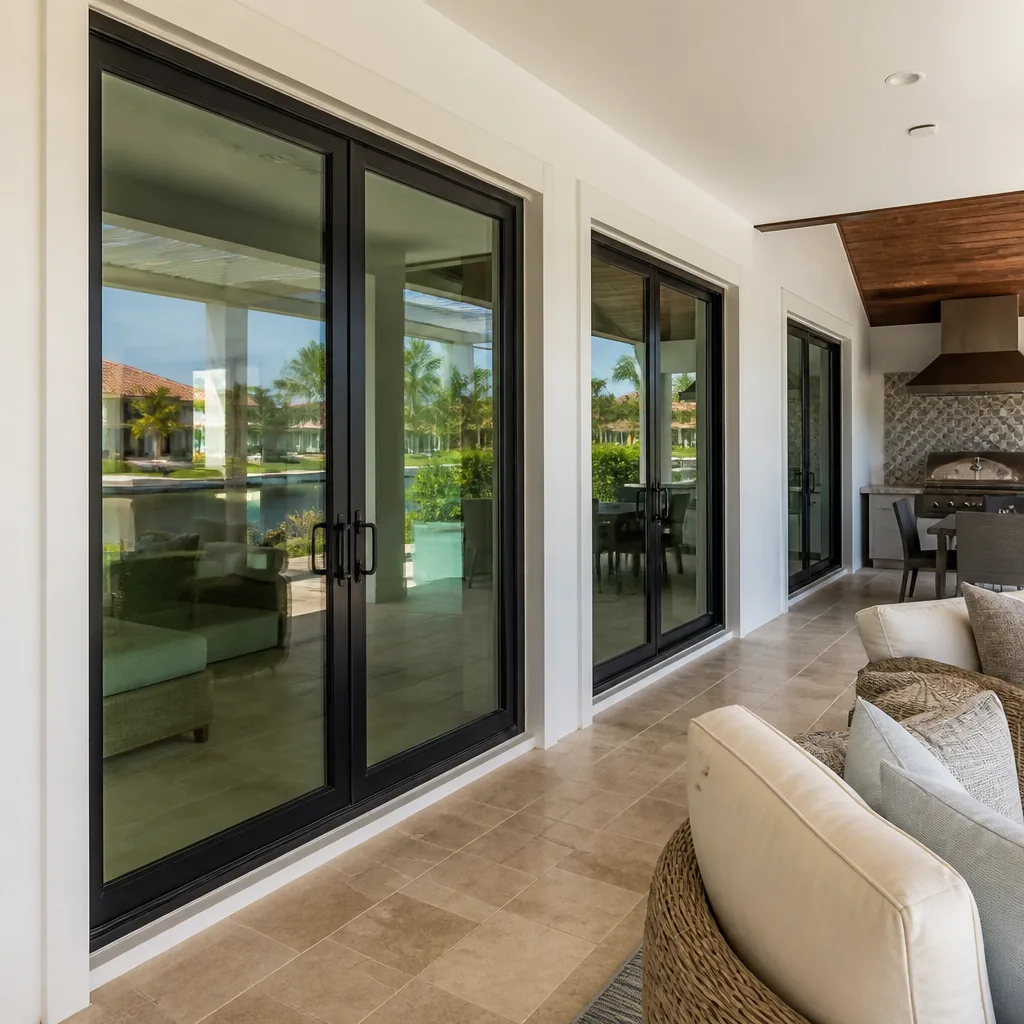

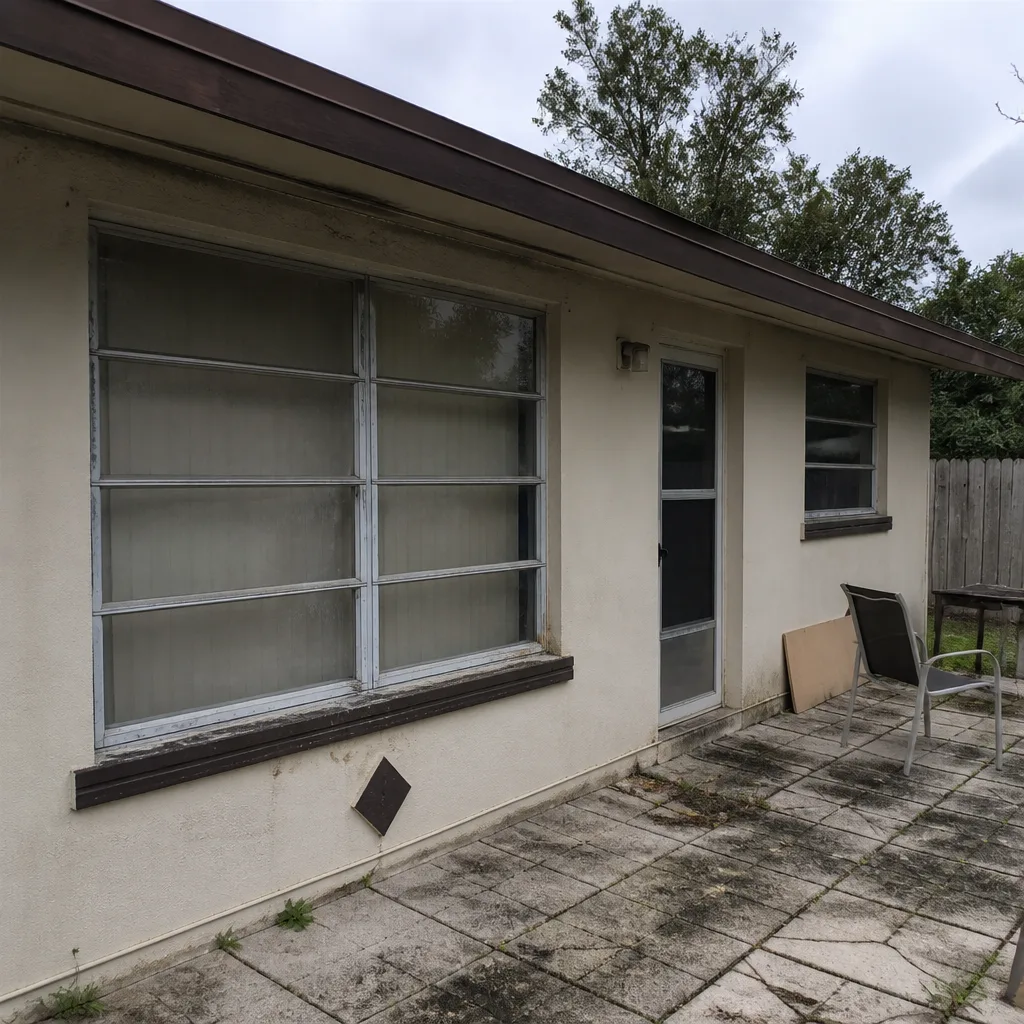 Before
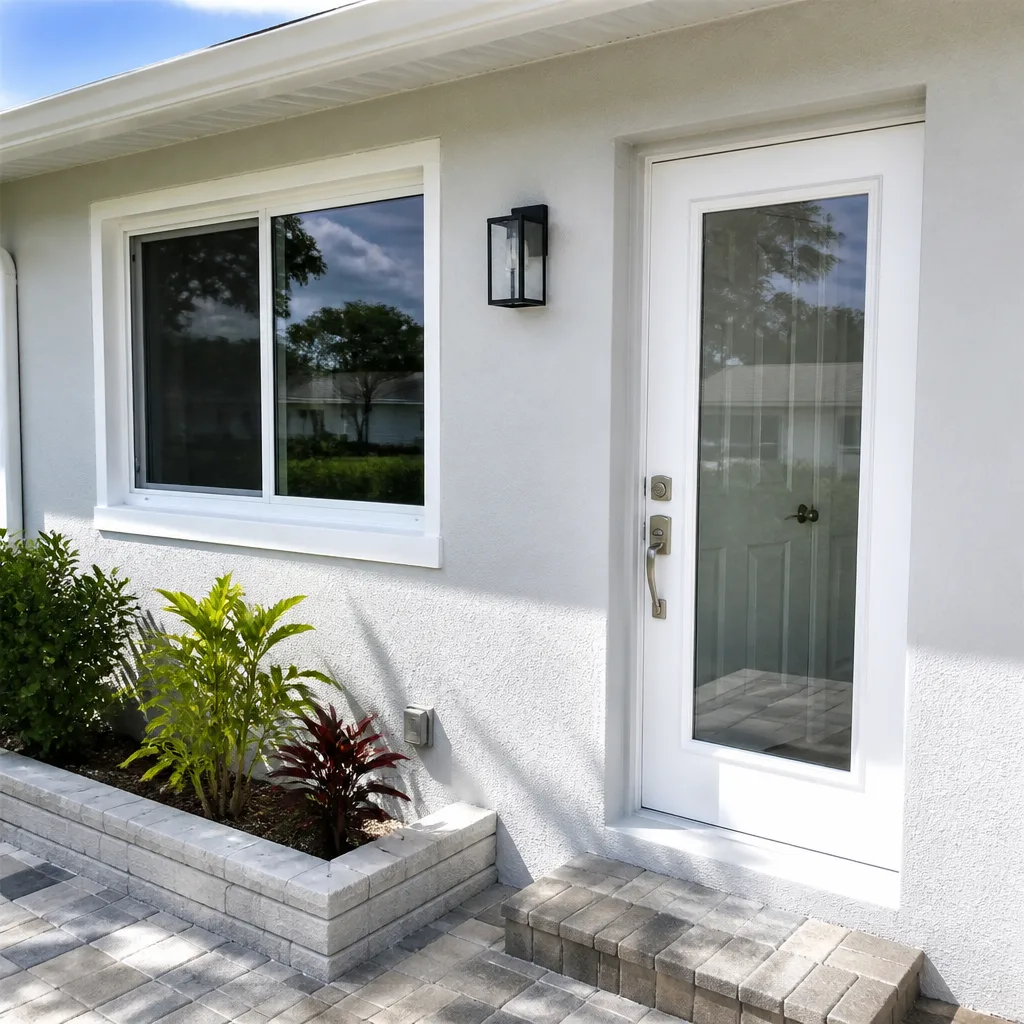 After
After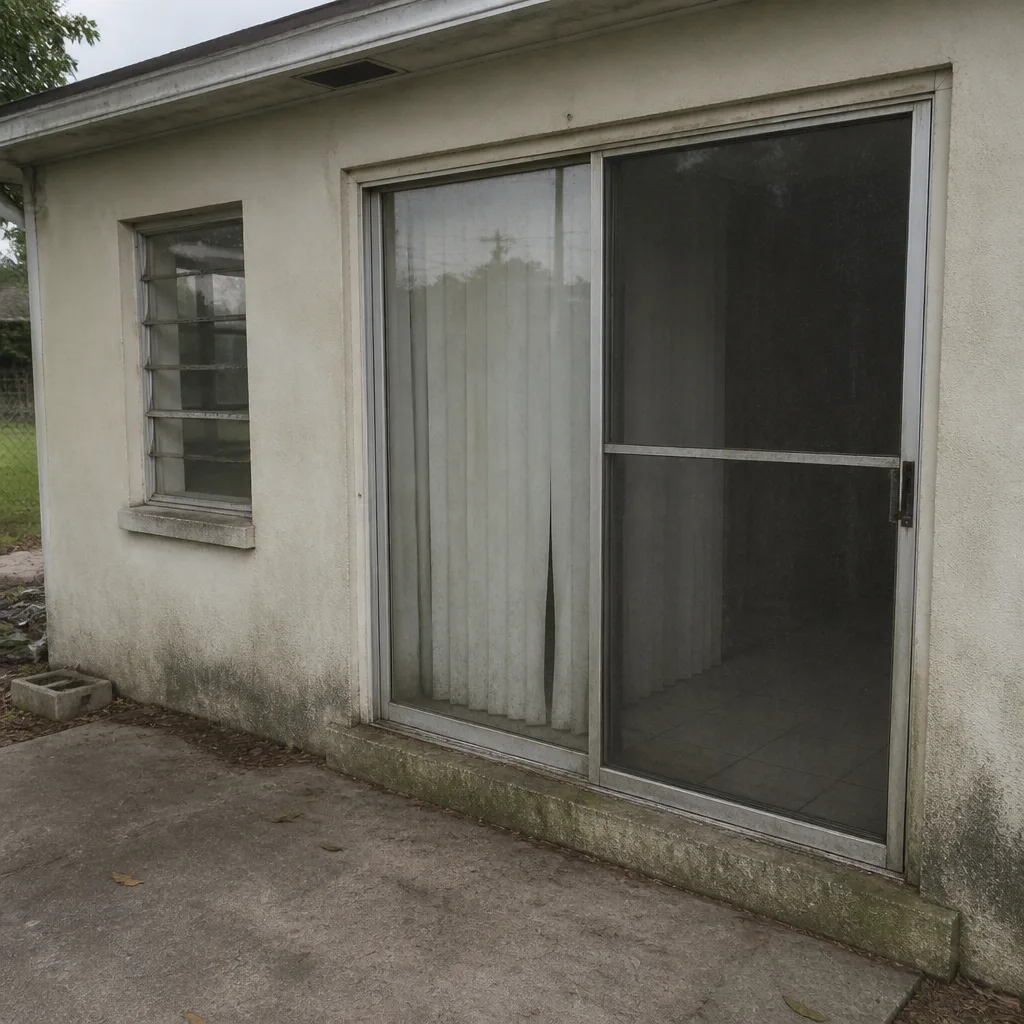 Before
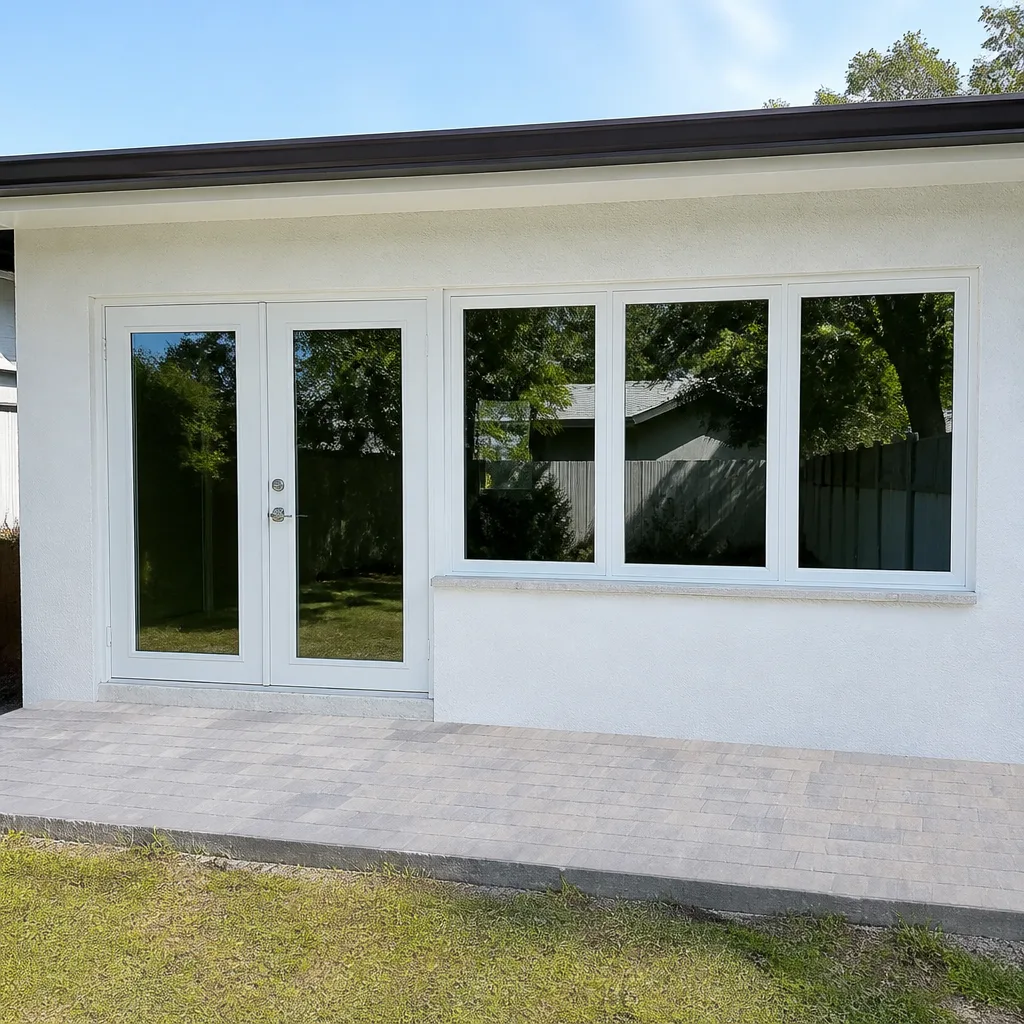 After
After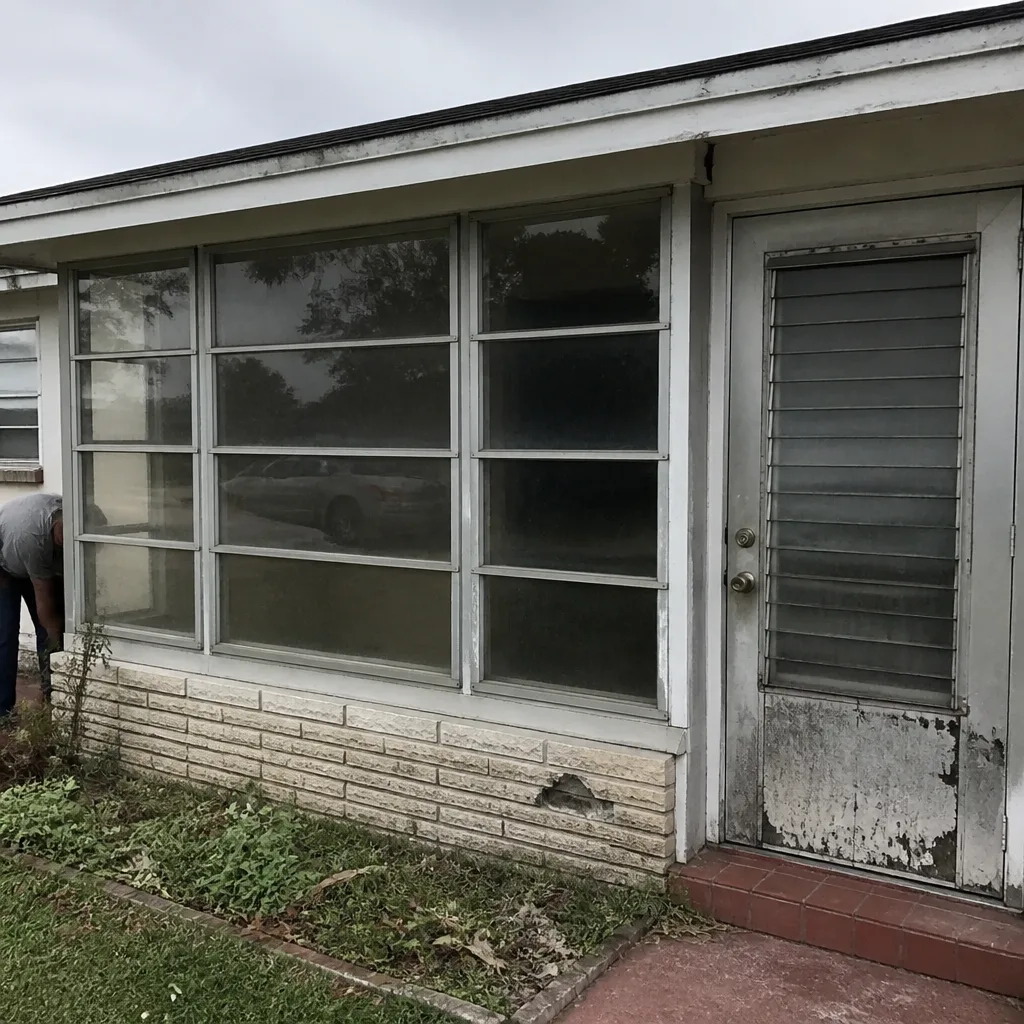 Before
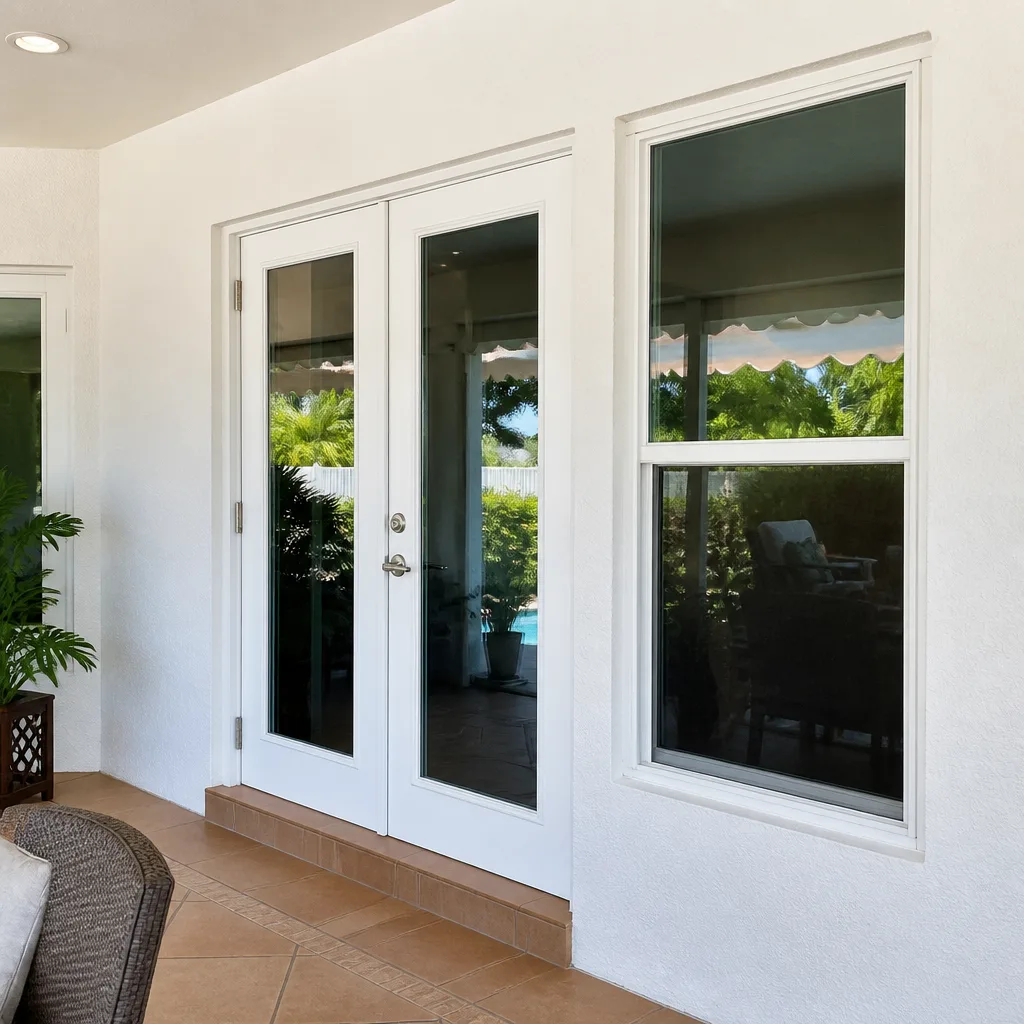 After
AfterWindows & Doors Permits, Codes & Inspections in FL: What You Need to Know
A West Park homeowner installed impact-rated PGT windows in 2021, paid in full, and thought the job was finished. When Hurricane Nicole damaged their roof in 2022, the insurance adjuster asked for the permit closure card. The contractor had never scheduled the final inspection. The permit expired open, the insurer denied the wind mitigation portion of the claim, and the homeowner absorbed $34,000 in repairs that a closed permit would have protected. In Florida, the inspection card is not paperwork. It is the only document that makes an impact window legally defensible in an insurance dispute. This guide explains exactly what that card requires, how Broward County’s three-stage inspection sequence works, and what happens when any stage is skipped. For The Complete Guide to Windows & Doors in West Park, see our expanded resource.
Quick Answer
In Florida, most window and door replacements require a building permit under the Florida Building Code, with inspections at rough opening, installation progress, and final completion. An impact-rated window without a closed permit and signed inspection card provides no insurance protection, even if the product itself meets Miami-Dade Protocol TAS 201/202/203. For details on spotting trouble early, read our Windows & Doors Warning Signs: A West Park Homeowner’s Reference Guide. The permit must be closed, not merely pulled, for the installation to be legally defensible in a hurricane claim.
Table of Contents
- Building Permit vs. Notice of Commencement: What Must Happen First
- Broward County’s Required Inspection Sequence for Window Replacement
- Florida Building Code Section 1609 and Miami-Dade Protocol TAS 201/202/203
- How West Park’s Wind Speed Zone Affects Your Product Selection
- Expired Permits and Resale Disclosure Obligations in Florida
- The Homeowner-Builder Exemption: When DIY Permitting Creates Liability
- What the Inspector Physically Checks at Each Stage
- How to Close a Permit Correctly and Protect Your Claim
 Before
 After
AfterBuilding Permit vs. Notice of Commencement: What Must Happen First
Every window and door replacement in Broward County starts with two documents, not one. Homeowners often confuse them, and contractors who blur the distinction are either careless or deliberately opaque.
The Notice of Commencement is a recorded legal document filed with the Broward County Clerk of Courts before any work begins. It establishes the official start date of the project, identifies the property owner, and triggers the lien rights timeline for all parties. Florida Statute 713.13 requires this recording for any job exceeding $5,000. For a full-home impact window replacement in West Park, where typical projects run $15,000 to $45,000 depending on opening count and product tier, the Notice of Commencement is mandatory.
The building permit is issued by the municipal building department, in West Park’s case typically routed through the Broward County Unified Permitting process or the city’s contracted plan review, depending on the specific project scope. The permit authorizes the physical work and creates the inspection record.
Here is the sequence that protects you:
- Record the Notice of Commencement with the Clerk of Courts before any material arrives on site.
- Submit permit application with product approval documentation, Miami-Dade Notice of Acceptance (NOA) or Florida Product Approval for each window and door model.
- Receive permit issuance and post the permit card visibly on the property.
- Schedule inspections in the required sequence; do not proceed to the next stage until the previous passes.
A contractor who pulls a permit without recording the Notice of Commencement creates a timing gap. Subcontractors can file liens outside the proper window, and the owner loses statutory protections. At Sightline Windows & Doors West Park, we record the Notice of Commencement and provide the owner a copy before our measured survey, which the customer keeps as their document. Haven Clause 1, Have it in writing, applies to every legal step, not just the price.
Broward County’s Required Inspection Sequence for Window Replacement

Broward County enforces a three-stage inspection sequence for window and door replacement. Each stage must pass before the next is scheduled. Skipping a stage, or scheduling them out of order, invalidates the inspection record and leaves the permit open.
Stage 1: Rough Inspection
The inspector examines the opening before the new unit is installed. They verify that the rough opening dimensions match the permitted plans, that the framing is structurally sound, and that any required reinforcement for impact-rated installations is in place. In West Park homes built between 1950 and 1985, we regularly find original wood frames with rot at the sill that must be sistered or replaced before the rough inspection can pass. The inspector will fail the rough if the opening is not prepared to receive the specific product listed on the permit.
Stage 2: Progress Inspection
This occurs during or immediately after installation, before finishes are applied. The inspector verifies that the installed unit matches the product approval on file, checks fastening patterns and embedment depth, and confirms that flashing and weatherproofing are installed per the manufacturer’s NOA. For impact-rated installations, the inspector verifies that the glazing, frame, and anchorage system are all from the same approved assembly. Mixing a PGT frame with non-approved fasteners, or substituting a CGI unit without plan revision, fails this inspection.
Stage 3: Final Inspection
The inspector reviews the completed installation with all finishes in place. They confirm operational function, verify that egress requirements are met for bedroom windows, check that required labeling is visible, and sign the inspection card. The building department then closes the permit and issues the certificate of completion.
Only a closed permit with all three inspection stages signed protects your insurance position. An open permit, even with two of three stages passed, is functionally worthless in a claims dispute.
Florida Building Code Section 1609 and Miami-Dade Protocol TAS 201/202/203
Florida Building Code Section 1609 governs wind loads on structures. It requires that all exterior windows and doors in the High-Velocity Hurricane Zone resist specific wind pressures calculated from the site’s basic wind speed, exposure category, and building height. The High-Velocity Hurricane Zone includes Broward County, which encompasses West Park.
Miami-Dade Protocol TAS 201, 202, and 203 are the test standards that products must pass to receive a Notice of Acceptance. These are not interchangeable with generic “impact-rated” marketing language.
- TAS 201: Large Missile Impact Test. A 9-pound 2×4 lumber missile is fired at the product at 50 feet per second. The glazing must not penetrate the inner surface.
- TAS 202: Uniform Static Air Pressure Test. The product must withstand positive and negative pressure cycles without structural failure.
- TAS 203: Cyclic Wind Pressure Test. The product undergoes thousands of pressure cycles simulating hurricane conditions.
A product that passes all three receives a Miami-Dade NOA with specific installation parameters. The NOA lists approved fasteners, embedment depths, sealant types, and frame reinforcement requirements. Installing a product outside its NOA parameters voids the approval and the insurance protection it provides.
The Florida Product Approval system offers an alternative path for products not tested under Miami-Dade Protocol, but in practice, most insurers and building departments in Broward County prefer or require Miami-Dade NOA documentation. When we specify window installation in West Park, we match the product to the specific wind load calculation for that address, not to inventory availability. A single-story home on a corner lot in West Park’s Carver Ranches section faces different exposure conditions than a two-story structure in Lake Forest, and the product selection reflects that calculation.
How West Park’s Wind Speed Zone Affects Your Product Selection

West Park sits in Broward County’s 175 mph basic wind speed zone per ASCE 7-16, which the Florida Building Code references. This is not a suggestion. It is the minimum design wind speed that every exterior window and door must be engineered to withstand.
However, the basic wind speed is only the starting point. The actual design pressure for a specific opening depends on:
- Exposure category: West Park’s mix of suburban development and remaining open parcels creates varying exposure conditions. A home on a cleared corner lot with unobstructed fetch across adjacent commercial property faces higher exposure than one shielded by mature banyan trees and neighboring structures.
- Mean roof height: Single-story homes with slab-on-grade construction have lower mean roof heights and thus lower design pressures than two-story or split-level structures.
- Opening location: Corner windows and doors experience higher wind pressures than center-of-wall units due to aerodynamic effects.
These variables produce design pressures that can range from 45 psf to over 70 psf for specific openings in West Park homes. The product we specify must have an NOA rating that meets or exceeds the calculated design pressure for that exact opening. A PGT WinGuard with a 60 psf rating is adequate for a center-wall bedroom window but may be insufficient for a corner sliding door on a two-story elevation.
This is why Sightline’s measured survey includes frame readings and sightline measurements that feed directly into the wind load calculation. The written quote we provide includes the specific product, the NOA reference, and the design pressure it satisfies. The measurement and the quote are the same document. We do not substitute products on installation day without a revised permit application and owner signature.
Expired Permits and Resale Disclosure Obligations in Florida
An expired permit is not a closed permit. This distinction costs homeowners thousands at closing and occasionally kills sales entirely.
In Florida, sellers must disclose open or expired permits on residential property disclosures. An expired permit for window or door work creates several problems:
- Title and closing complications: Many title insurers will not issue a clean title policy until expired permits are closed or legally abandoned, a process that requires documentation and sometimes re-inspection.
- Buyer negotiation leverage: An open permit signals unpermitted or uninspected work. Buyers routinely demand price reductions or escrow holdbacks of $5,000 to $15,000 to cover the risk of re-permitting and re-inspection.
- Insurance continuity gaps: A buyer’s insurer may refuse to bind coverage until the permit status is resolved, particularly for windstorm coverage in Broward County.
- Code compliance uncertainty: An expired permit pulled under an earlier code cycle may not comply with current requirements. Re-opening the permit can trigger requirements for additional work that was not originally required.
We have reviewed properties in West Park where a previous owner’s 2017 window replacement permit expired open because the contractor never scheduled final inspection. The current owner discovered this when listing the home in 2023. The cost to re-open, re-inspect, and close the permit exceeded $3,400, and the delay pushed the closing date by six weeks.
If you are purchasing a home in West Park, verify permit status through the Broward County Permitting Portal before closing. If you discover an open or expired permit for window or door work, our free second opinion on any written estimate includes a permit status review. We will tell you exactly what is required to close it, with a written scope and price.
The Homeowner-Builder Exemption: When DIY Permitting Creates Liability
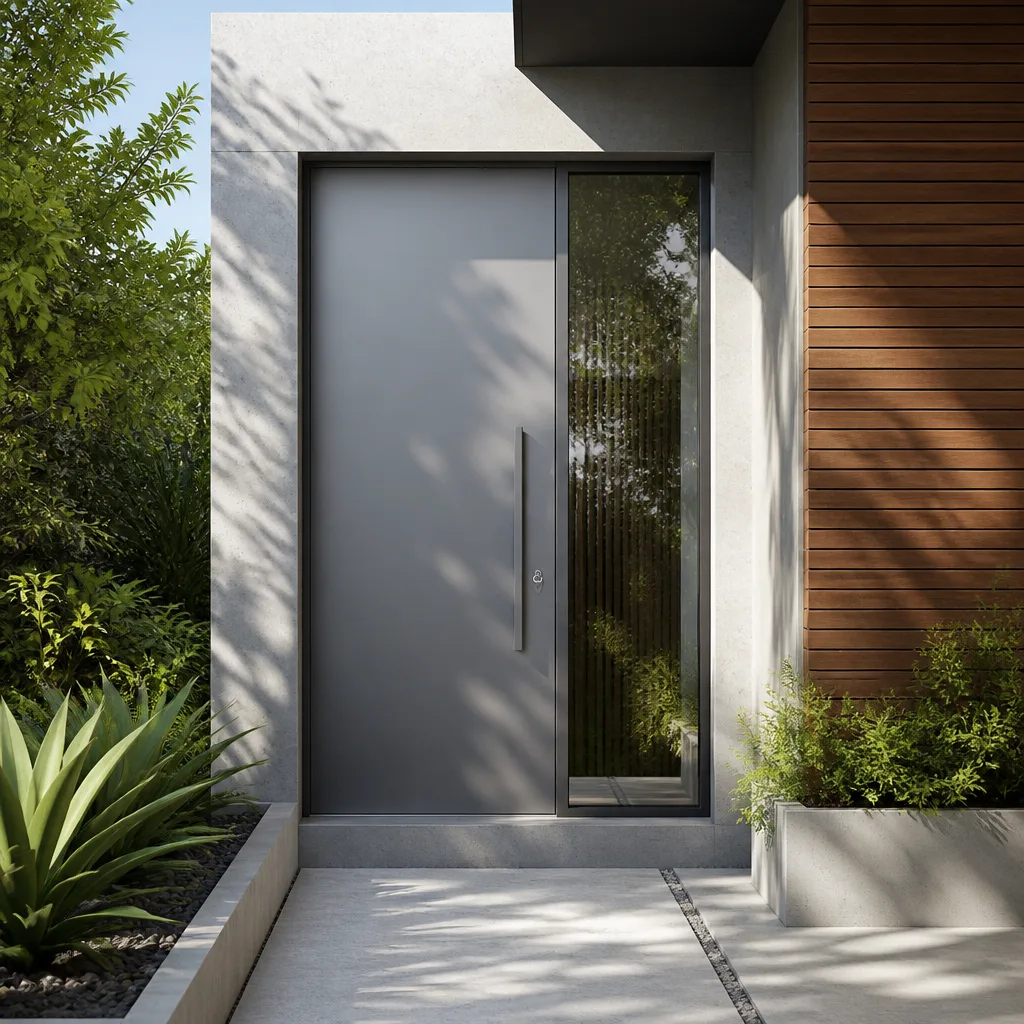
Florida law allows homeowners to act as their own contractor under the homeowner-builder exemption, Florida Statute 489.103(7). This permits an owner to pull their own permit and perform or supervise work on their primary residence. The exemption has specific limits and creates specific risks that insurers exploit.
The exemption applies only to:
- The owner’s primary residence, not rental or investment properties.
- Work performed by the owner or by employees of the owner working under their direct supervision.
- Projects where the owner does not sell or lease the property within one year of completion without first obtaining a certificate of occupancy or completion.
The liability gap emerges in several ways. First, work performed under the homeowner-builder exemption carries no contractor’s warranty of fitness. If the installation fails, the owner has no recourse against a licensed contractor’s bond or insurance. Second, many insurers treat homeowner-builder work as unverified installation, even if permitted and inspected, because there is no licensed professional standing behind the workmanship. Third, if the owner sells within one year, the exemption is void, and the work is considered unpermitted.
We have seen West Park homeowners pull their own permits for window replacement in West Park, purchase impact-rated products online, and install them with handyman assistance. The products were code-compliant. The permit was properly pulled. But the installation failed the progress inspection three times due to improper fastening and flashing. The owner eventually hired us to remove and reinstall the units correctly. The total cost exceeded what our original written estimate would have been, and the documented photo record showed the remedial work required.
Haven Clause 3, Verified Crews, exists because installation quality is not intuitive. Our technicians are background-checked, uniformed, and identified by license number before arrival. The person at your door is the person on the record.
What the Inspector Physically Checks at Each Stage
Understanding what the inspector verifies helps homeowners recognize competent installation and identify corners being cut. Here is what we prepare for at each stage, based on hundreds of inspections across Broward County.
Rough Inspection Checklist
- Opening dimensions within 1/4 inch of permitted plans in width and height.
- Framing members free of rot, insect damage, or structural compromise.
- Sill plate level and continuous; shimming plan documented if required.
- Reinforcement in place for impact-rated installations, including any required steel or engineered lumber per the NOA.
- Water management plane visible and continuous above the opening.
Progress Inspection Checklist
- Installed unit matches the manufacturer, model, and size on the permit exactly.
- Fastener type, diameter, and embedment depth match the NOA table for the specific design pressure.
- Fastener spacing at perimeter and meeting stiles within NOA tolerances.
- Flashing integrated with water management plane; sealant type and application per NOA.
- Impact-rated glazing label visible and legible; no field-cutting of frames or glazing stops.
- Operable units function smoothly; locks and hardware engage fully.
Final Inspection Checklist
- Interior and exterior finishes restored; no exposed fasteners or incomplete trim.
- Egress windows in sleeping rooms open to required clear opening dimensions.
- Required permanent labels visible: product approval number, design pressure rating, manufacturer identification.
- Weatherstripping and seals intact; no daylight or water infiltration at closure.
- Screen installation complete for operable units if required by NOA.
In West Park’s humid subtropical climate, we pay particular attention to sill pan flashing and sealant continuity. The afternoon thunderstorms of July and August will find any gap in the water management system. Our documented photo record captures each of these elements before the inspector arrives, so the owner has independent evidence of proper installation regardless of inspection outcome.
How to Close a Permit Correctly and Protect Your Claim
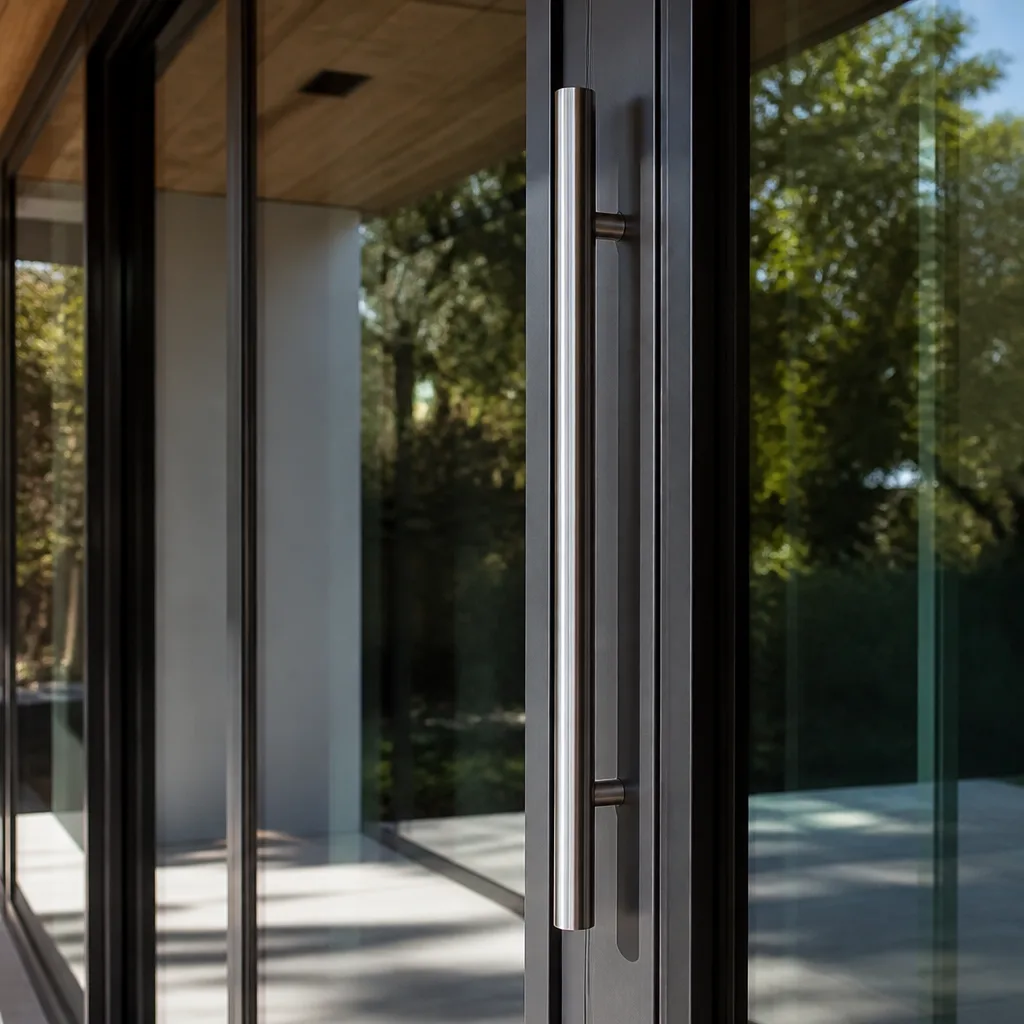
Closing a permit is not automatic. It requires active steps by the permit holder, and the timeline matters.
- Schedule final inspection promptly after completion. Broward County requires final inspection within 180 days of the last approved inspection. Beyond this, the permit expires and must be renewed or abandoned.
- Ensure all required documentation is on site. The inspector must verify product labels against the permit. Have the NOA, product data sheets, and any manufacturer installation bulletins available.
- Address any corrections immediately. A failed inspection generates a correction notice with a re-inspection deadline. Multiple failures can trigger additional fees or permit expiration.
- Obtain the signed inspection card. This is the physical or digital record that all stages passed. Store it with your insurance documents.
- Verify closure in the permitting system. The inspection card is not enough; the permit status in the county database must show “Closed” or “Final.”
The signed inspection card and closed permit status are what your insurance adjuster will request after a hurricane. Without them, the adjuster can treat your impact windows as unverified installations, even if the products themselves are top-tier PGT or CGI units with valid NOAs. The products do not self-certify. The installation does not self-verify. The inspection card is the only bridge between the product on your wall and the legal protection you paid for.
At door installation in West Park and across all our services, we manage the full permitting and inspection sequence as standard scope, not an upsell. The documented photo record we provide at completion includes images of the posted permit, each inspection result, and the closed permit status. This is Haven Clause 4, Evidence on every job.
Common Mistakes to Avoid
- Accepting “permit included” without seeing the permit card. Some contractors pull permits in their own name, not the owner’s, and never schedule inspections. Demand a copy of the issued permit and track inspection status yourself.
- Assuming impact-rated products alone satisfy code. The product is only one component. Installation method, fastening, and flashing must all match the NOA. A compliant product installed non-compliantly is a failed inspection.
- Ignoring the Notice of Commencement. In West Park’s active construction market, material suppliers and subcontractors can file liens if the NOC is missing or improperly recorded. The $5,000 threshold catches most full-home window replacements.
- Buying products online and hiring “installation only.” Online sellers rarely provide NOA documentation suited to your specific design pressures. Installers working without product responsibility have no incentive to verify code compliance.
- Failing to verify a previous owner’s permit status before purchase. Title searches do not always flag open permits. Check the Broward County Permitting Portal directly with the property address.
- Letting a permit expire rather than pursuing closure. An expired permit is harder to close than an active one. The correction cycle may require work to current code standards, not the standards in effect when the permit was pulled.
When to Call a Professional
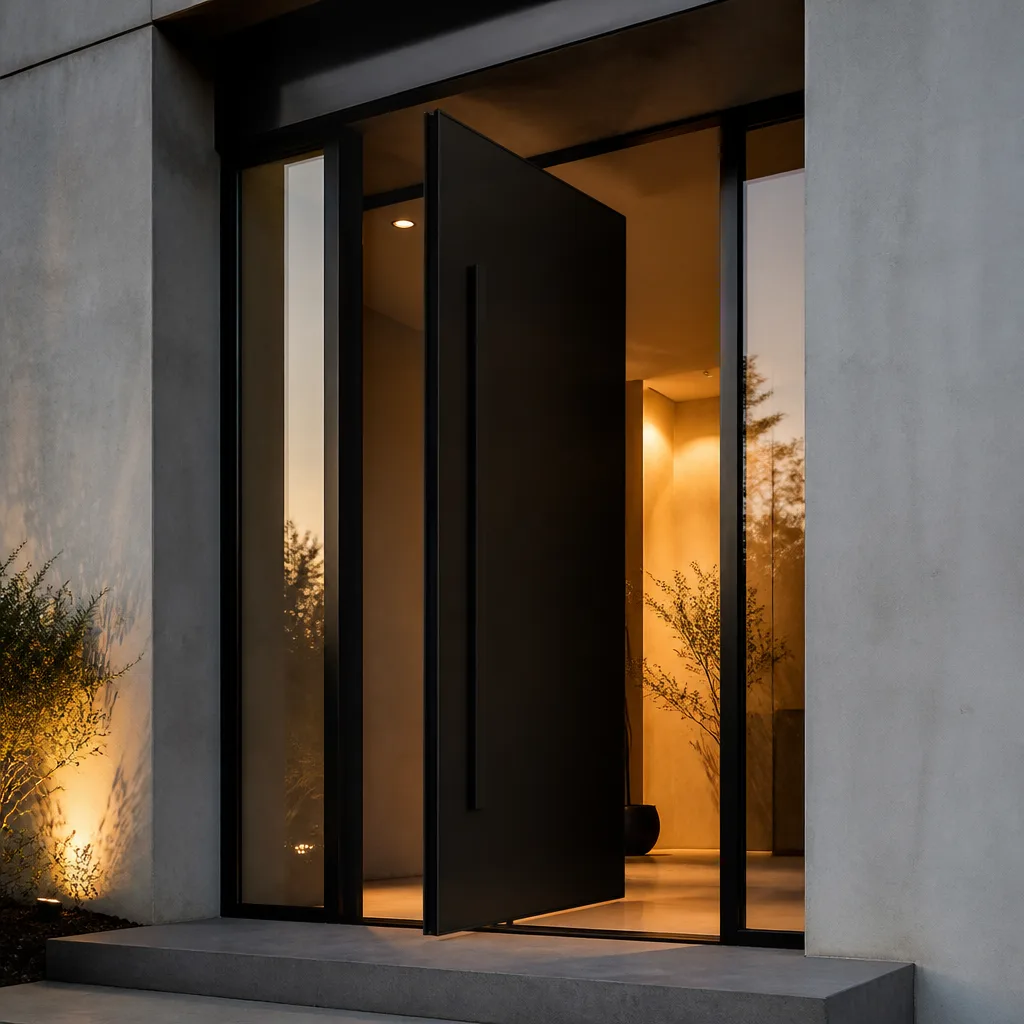
Call a licensed contractor when your project involves impact-rated products, when the opening count exceeds three units, when your home was built before 1992 and may have structural framing issues, or when you are purchasing a home with uncertain permit history. The cost of professional permitting and inspection management is typically 3-5% of project value and protects the remaining 95%.
Sightline Windows & Doors West Park offers free estimates in West Park. We will review your permit status, provide a measured survey you keep, and deliver a written price before any work starts. Our 365-Day Done Right Promise, written into the Haven Standard since 2012, means if it’s not done right, we make it right. Call (786) 685-4706 to schedule your free estimate.
Frequently Asked Questions
Yes, almost all window and door replacements in West Park require a building permit under the Florida Building Code, and impact-rated installations additionally require compliance with Miami-Dade Protocol TAS 201/202/203. Call (786) 685-4706 for a free estimate and we will confirm permit requirements for your specific project.
Permit fees in Broward County typically range from $150 to $500 depending on project scope and valuation, with additional costs for plan review if engineered drawings are required. At Sightline, permitting and inspection management is included in our written scope, not added as a line item surprise. Call (786) 685-4706 for an exact quote on your project.
An open permit creates insurance gaps, resale disclosure obligations, and potential title complications. The original permit holder or current property owner must schedule final inspection or pursue permit abandonment, which requires documentation and may trigger re-inspection. We review permit status as part of our free second opinion on any written estimate.
Florida’s homeowner-builder exemption allows this for primary residences, but it voids contractor warranty protections and creates insurance verification gaps that carriers exploit. Many insurers treat homeowner-builder installations as unverified regardless of inspection outcome. Licensed installation with documented evidence provides stronger protection.
No. Insurance adjusters can deny hurricane claims for impact window damage if the installation lacks a closed permit and signed inspection card, even if the windows themselves are code-compliant products. The inspection card is the only document that verifies proper installation.
With proper scheduling, the three-stage sequence typically completes within 10-14 business days after installation, though Broward County inspector availability varies seasonally. We schedule inspections at rough, progress, and final stages without owner involvement, and provide the documented photo record at completion. Call (786) 685-4706 to discuss timeline for your project.
The Bottom Line
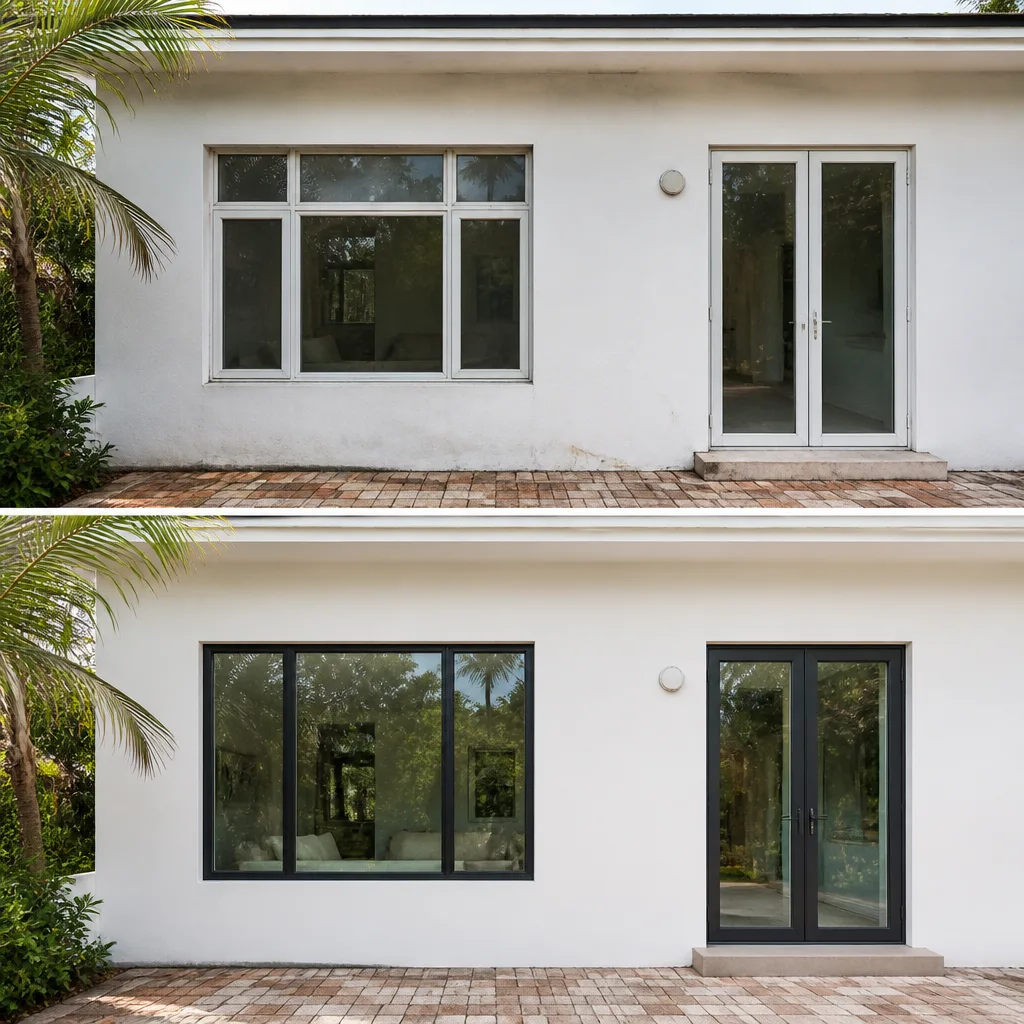
Florida’s window and door permitting process exists to create a verifiable record that protects property owners in the only circumstance that matters: when a hurricane hits and an insurance claim is filed. The inspection card is not bureaucracy. It is the document that transforms a compliant product into a legally defensible installation. In West Park and across Broward County, the three-stage inspection sequence, the Notice of Commencement requirement, and the interaction between Florida Building Code Section 1609 and Miami-Dade Protocol create a system that works only when every step is completed and documented. Skipped steps, expired permits, and homeowner-builder shortcuts all create the same vulnerability: impact windows that perform physically but fail legally. The protection you paid for requires the paperwork to match the product. Browse more guides & resources to protect your West Park home.
Written by Sonia Raman, Owner at Sightline Windows & Doors West Park, serving West Park since 2012.