
Last updated September 24, 2026
Free in-home measure and quote - PGT, CGI and CWS impact lines compared on your actual openings, style by style
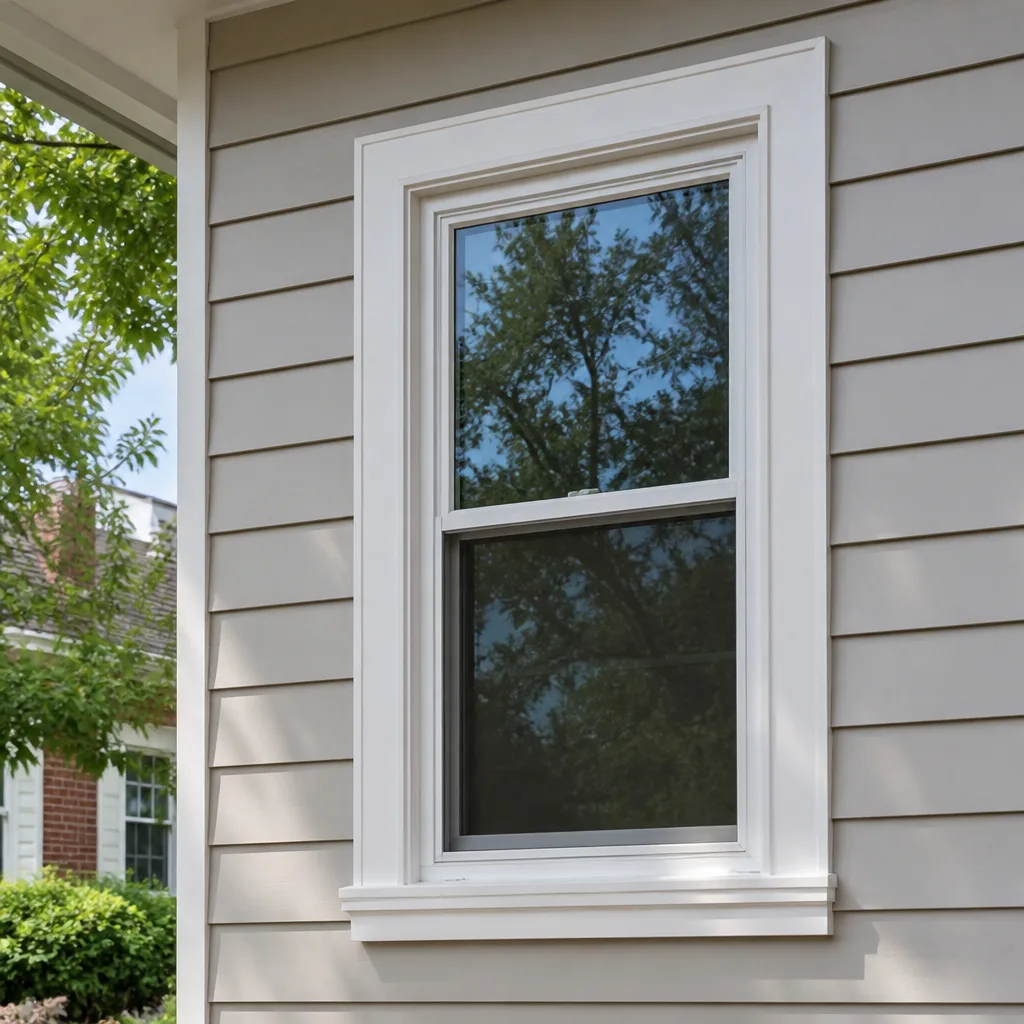
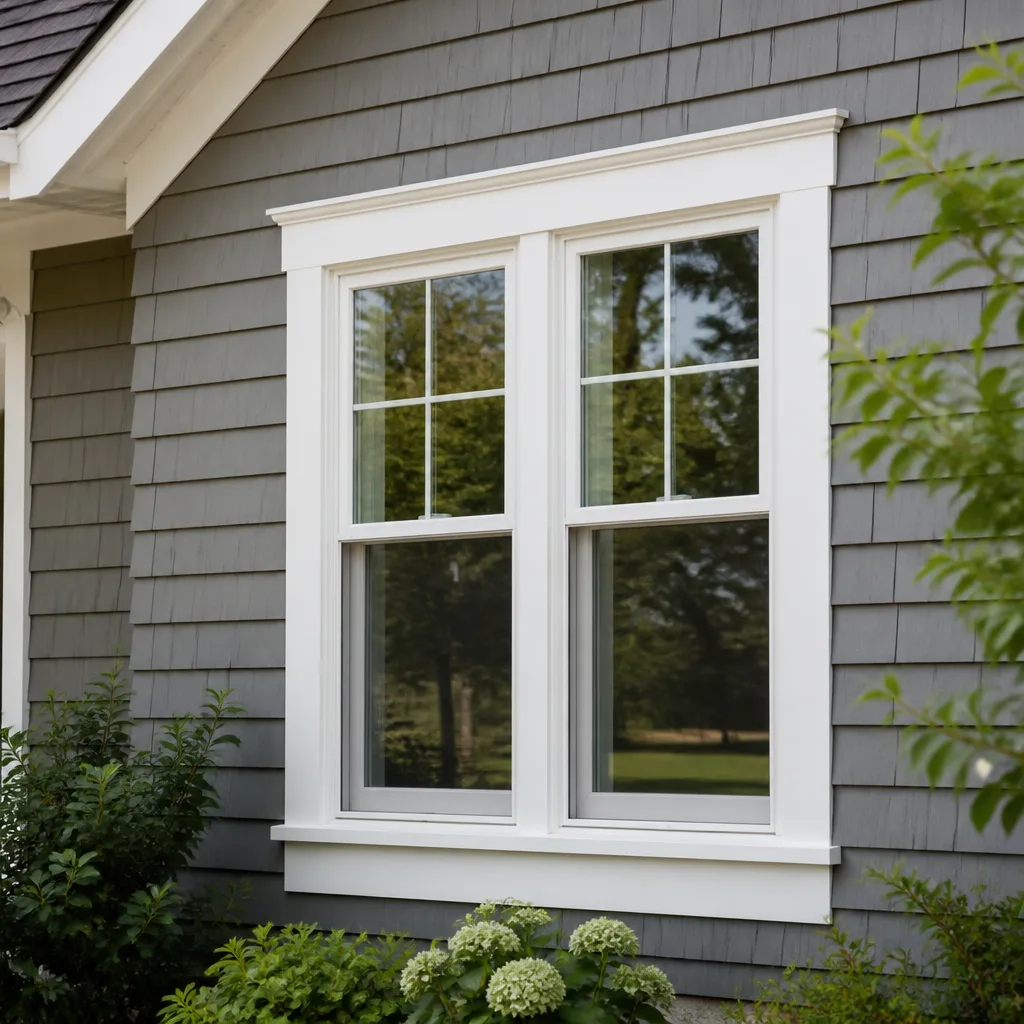
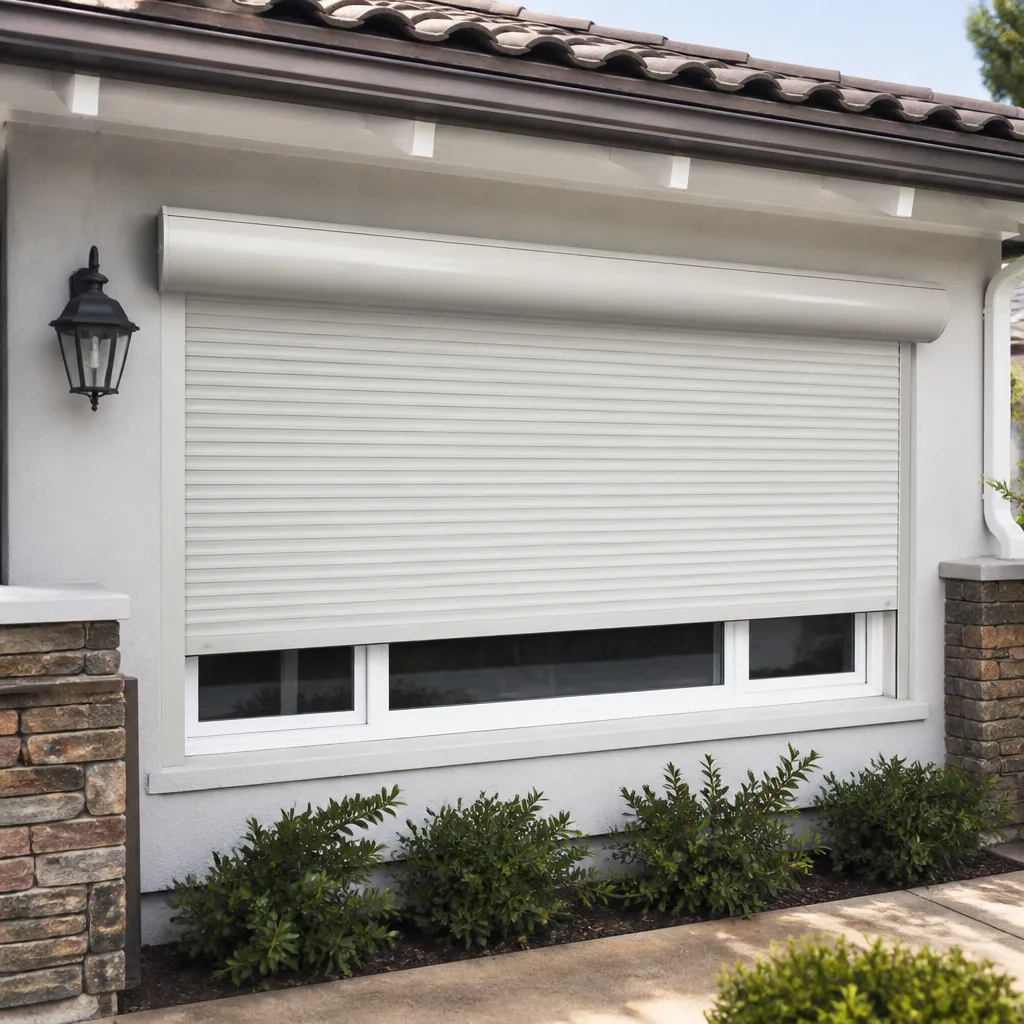
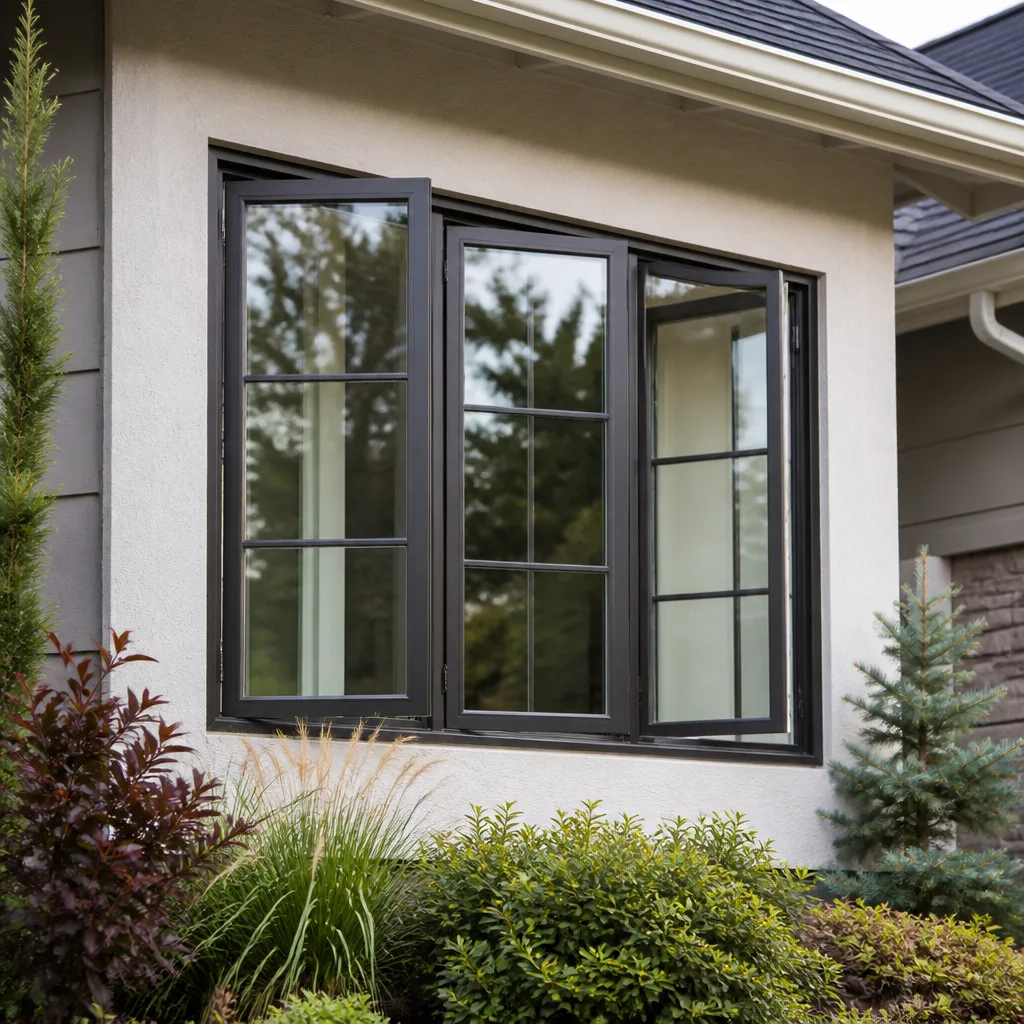
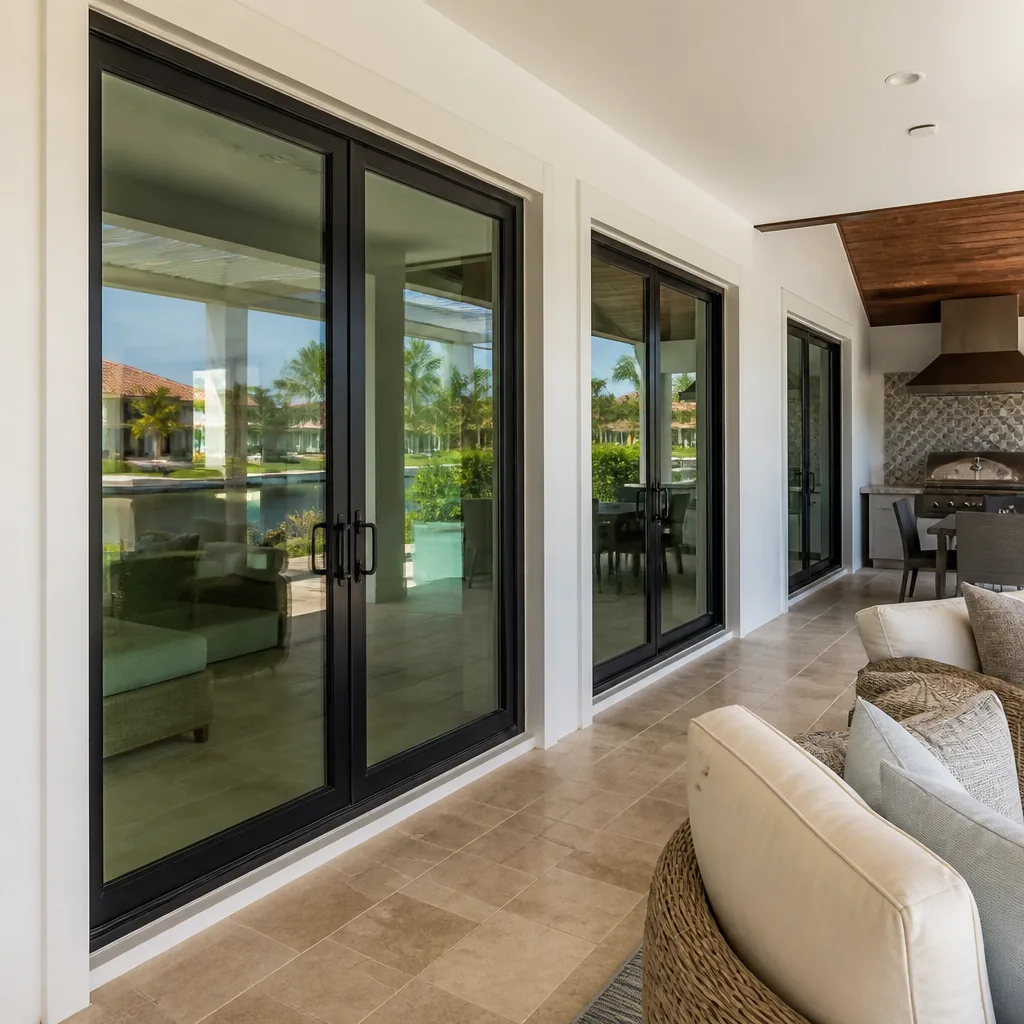
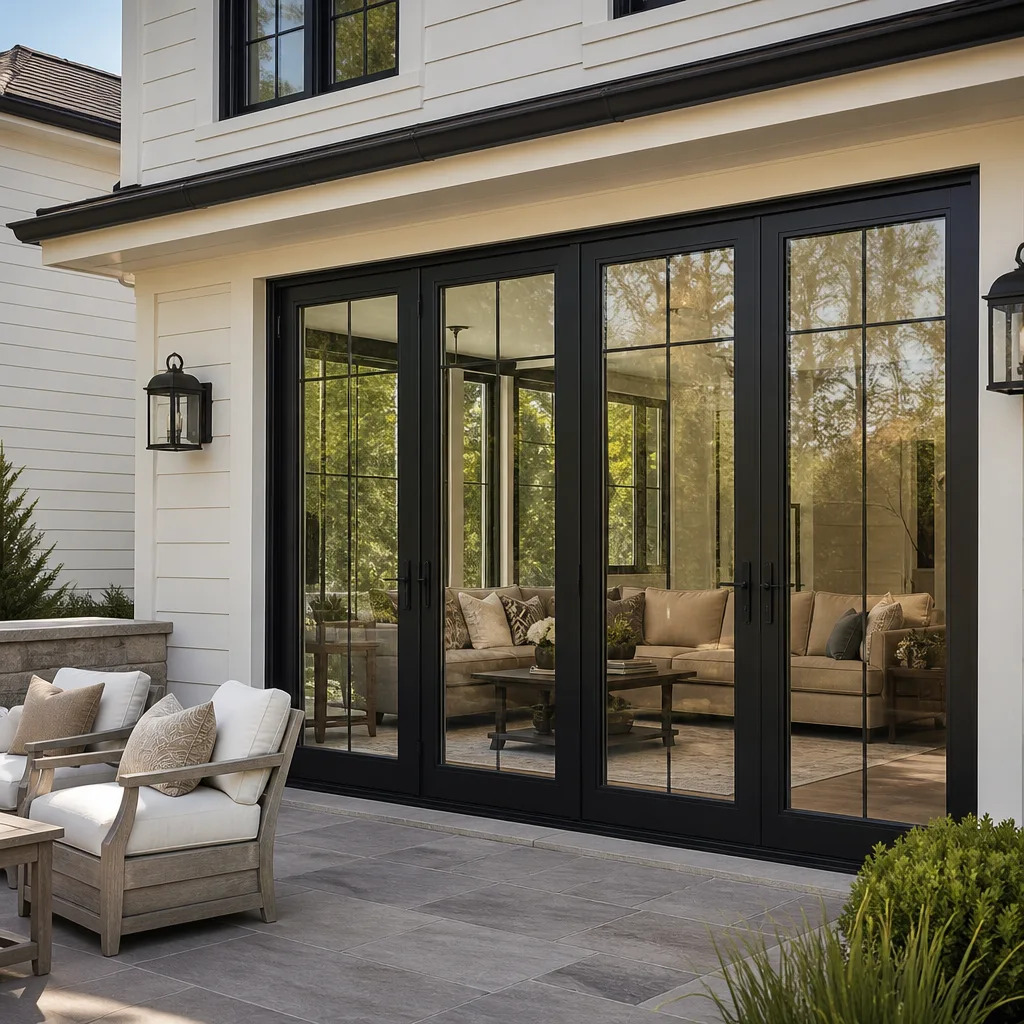
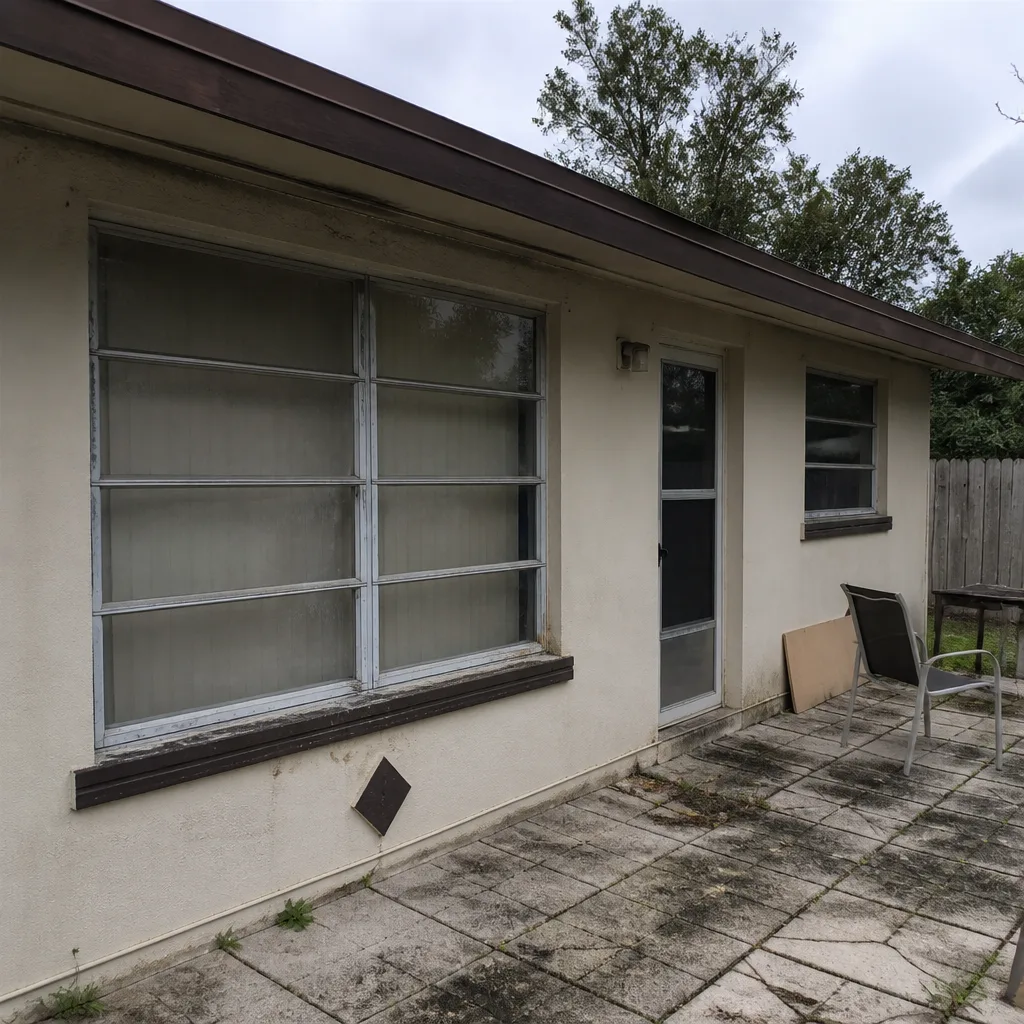 Before
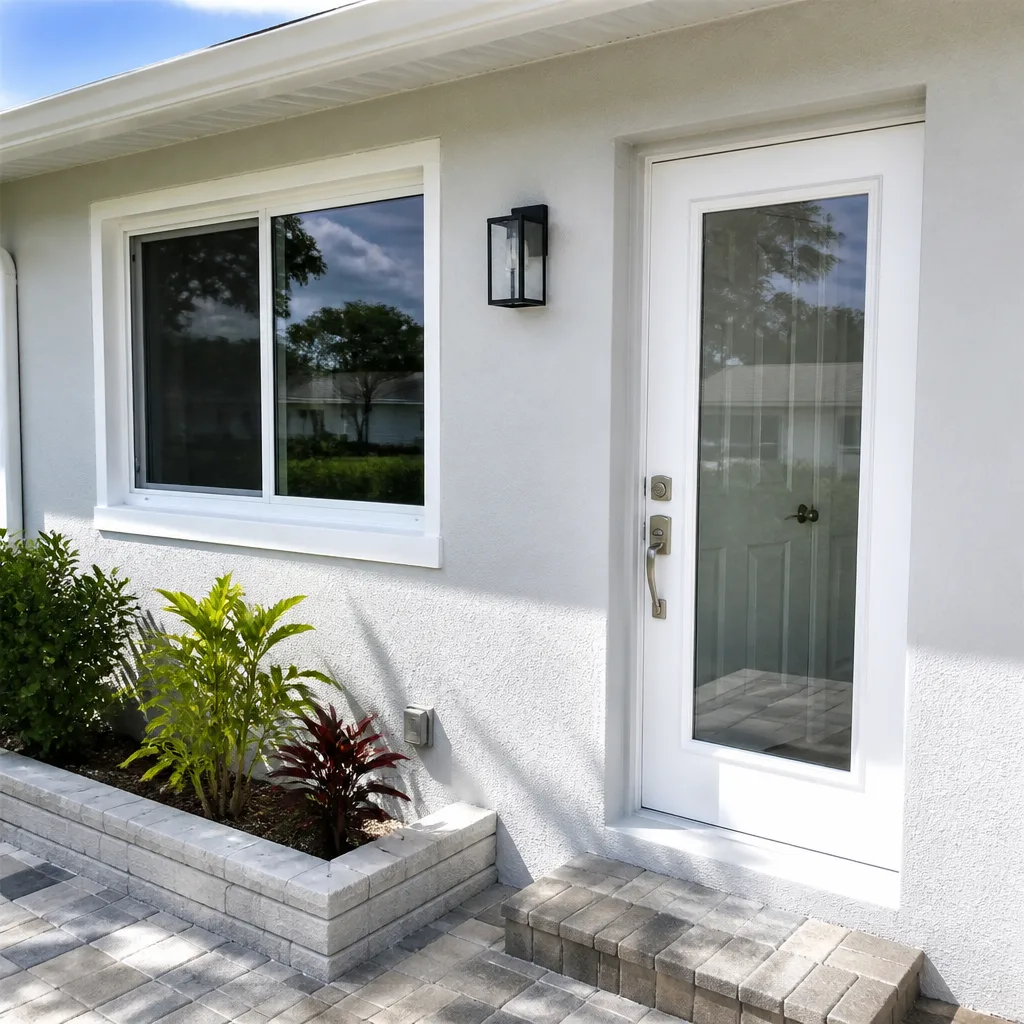 After
After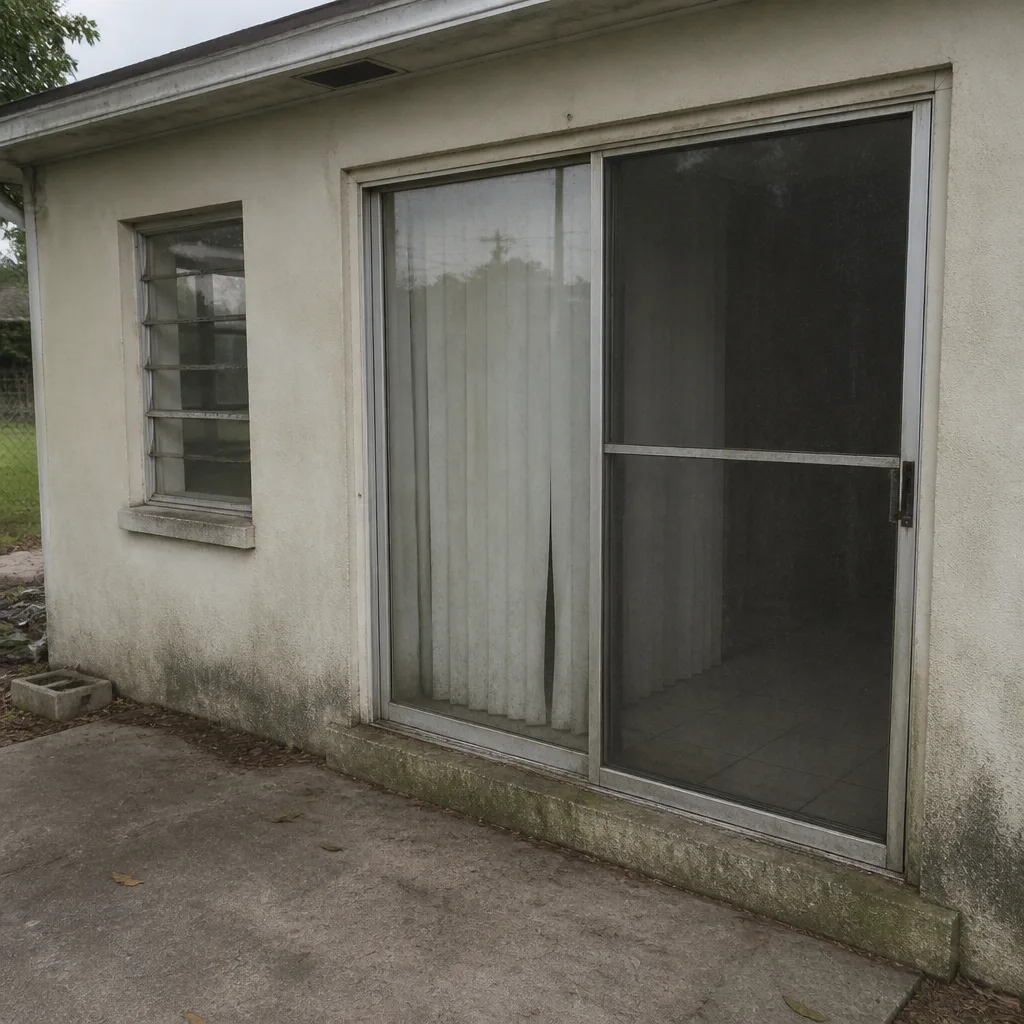 Before
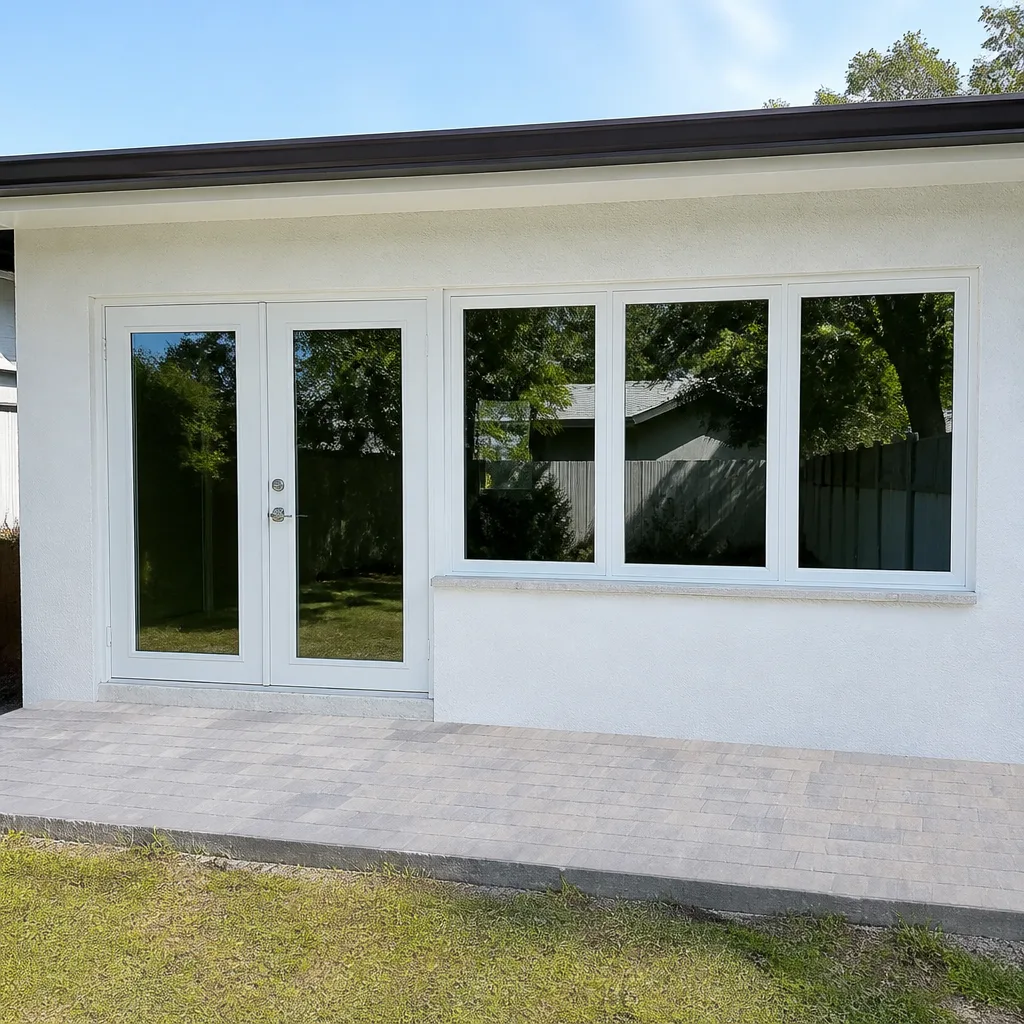 After
After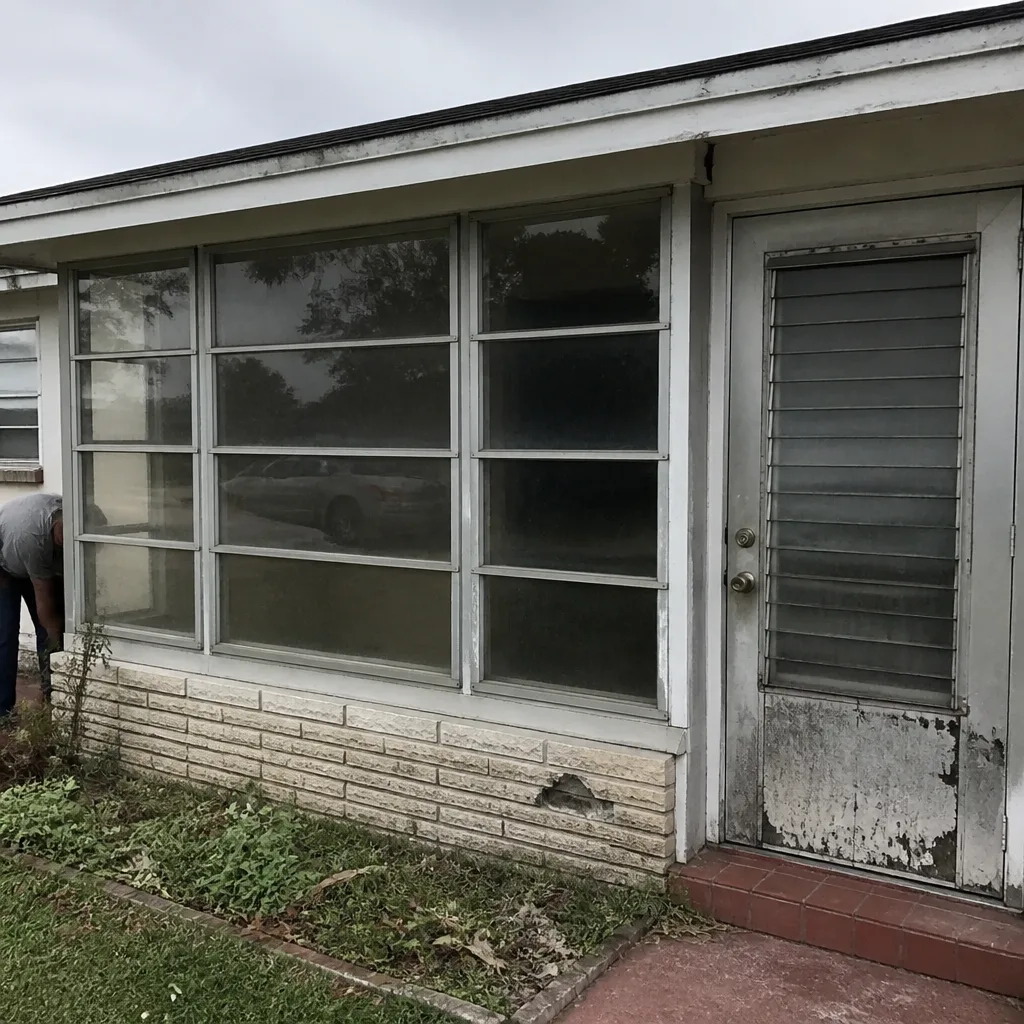 Before
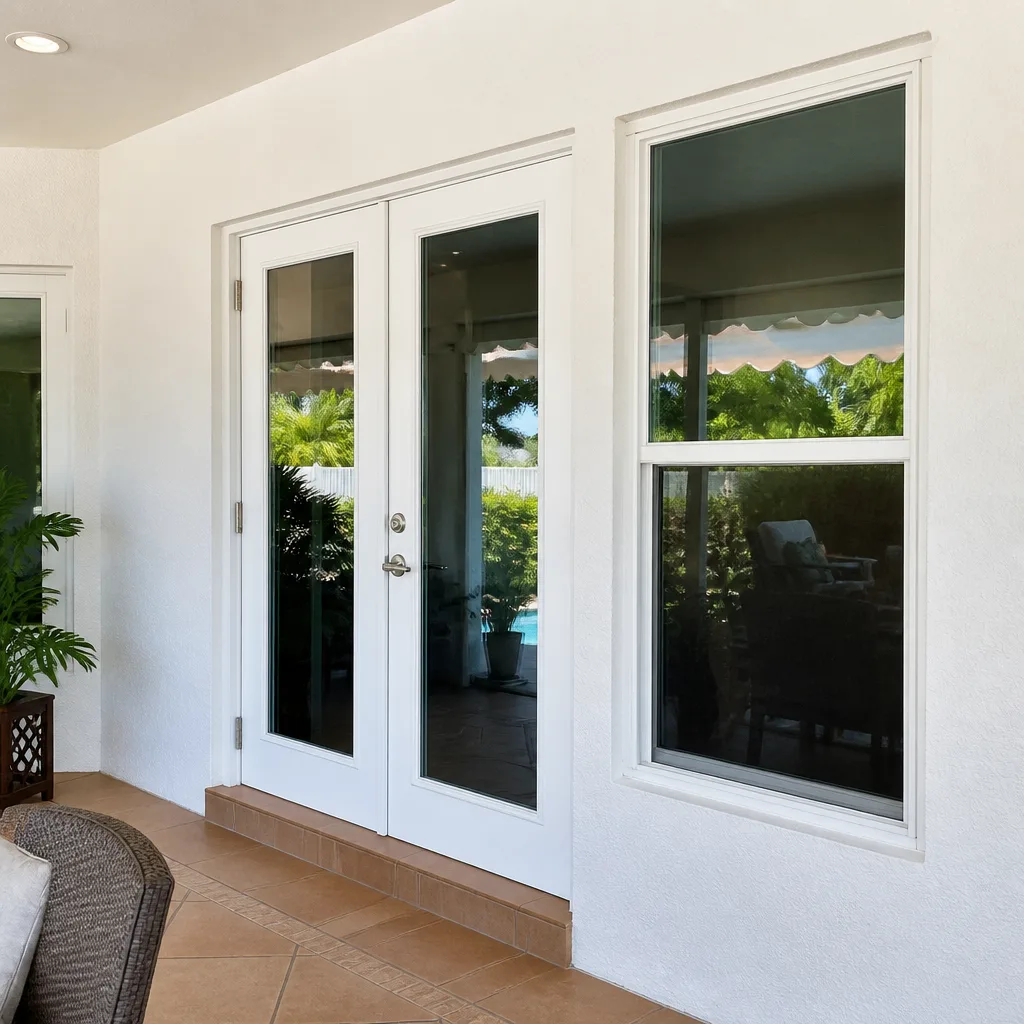 After
AfterDIY vs Professional Windows & Doors: The West Park Homeowner’s Decision Guide
Florida law permits homeowners to install their own windows under the homeowner-builder exemption, but the same statute requires them to occupy the home as their primary residence - and using the exemption on a rental or investment property is a license violation that can void the permit retroactively. In West Park, we’ve seen this distinction derail closings in Carver Ranches and Lake Forest years after the work was completed. This guide evaluates the DIY versus professional trade-off for West Park homeowners with the downstream consequences made explicit: permit validity, insurance coverage, and what appears on a title search when you sell.
Quick Answer
Most West Park homeowners save little to nothing on a DIY window or door installation once permit fees, tool costs, re-inspection risk, and the absence of a labor warranty are accounted for. The homeowner-builder exemption in Florida is narrower than most realize, and a missing or invalid permit can block a sale or trigger insurance disputes after storm damage. For impact-rated products, professional installation is effectively required because Broward County inspectors verify torque-calibrated fastener patterns that cannot be confirmed by eye.
Table of Contents
- Florida’s Homeowner-Builder Exemption: What It Actually Allows
- Why Impact Window Installation Is Not a Typical DIY Project
- The Permit and Inspection Record: What Survives the Job
- Resale Disclosure and Title Search Consequences in Florida
- The Real Cost of DIY Impact Window Installation in West Park
- Tasks That Are Genuinely DIY-Appropriate
- When to Call a Professional
- Frequently Asked Questions
 Before
 After
AfterFlorida’s Homeowner-Builder Exemption: What It Actually Allows
The homeowner-builder exemption in Florida Statute 489.103(7) allows an owner to act as their own contractor on a single-family home, but three conditions must all be true for the exemption to be valid in Broward County. First, the owner must personally occupy and continue to occupy the home as their primary residence for at least twelve months after construction completion. Second, the owner may not build or improve the property for sale or lease. Third, the owner may not hire unlicensed persons to perform work requiring a license.
We’ve reviewed permits in West Park where the exemption was claimed on a property that was rented six months later. That is a license violation. The permit can be voided retroactively, and the work must be brought into compliance or removed. In the Carver Ranches area, we’ve seen this surface during a refinance appraisal when the lender required permit verification.
The exemption does not relieve the owner from complying with the Florida Building Code, obtaining permits, or passing inspections. It only relieves the owner from holding a contractor’s license. The permit application still requires plans, the inspection schedule is identical, and the liability for code compliance rests entirely with the owner.
For West Park homeowners in neighborhoods like Lake Forest or Miami Gardens, the practical implication is this: if you intend to sell within five years, or if the property might become a rental, the homeowner-builder exemption is a risk that professional installation avoids entirely. A licensed contractor’s permit travels with the property and does not depend on your occupancy status.
Why Impact Window Installation Is Not a Typical DIY Project
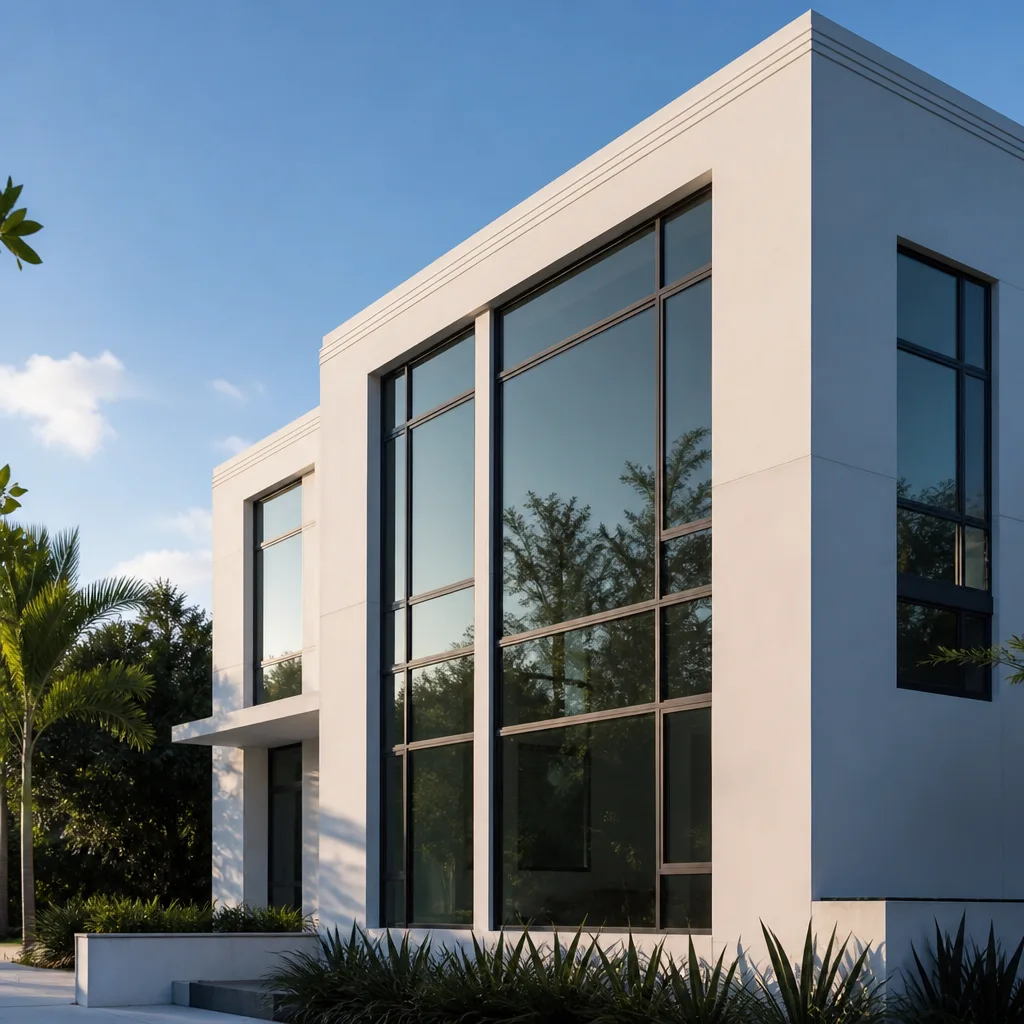
Impact-rated windows and doors in Broward County must meet Miami-Dade County Notice of Acceptance (NOA) standards or Florida Product Approval, and the installation must follow the manufacturer’s NOA exactly. This is where DIY installation typically fails inspection, not because the window looks wrong, but because the fastener pattern cannot be verified.
The Broward County inspector checks three things on the installation card: fastener type, fastener spacing, and fastener torque. Each NOA specifies a torque value for the anchoring screws, typically measured in inch-pounds with a calibrated torque wrench. Over-torque can strip the frame or deform the mounting flange. Under-torque leaves the fastener below the withdrawal strength tested for missile impact resistance. The inspector does not estimate; if the torque is not documented or is outside specification, the inspection fails.
In our experience across West Park, the tools required exceed what most homeowners own or want to rent:
- Torque wrench calibrated in inch-pounds, typically 80-250 in-lb range for window fasteners
- Concrete drill with masonry bits sized to the NOA-specified pilot diameter
- Impact driver with clutch settings to avoid over-driving
- Level with at least 48-inch span to verify plumb across the full frame width
- Shim stock in graduated thicknesses for load-bearing placement under the sill
The NOA for a PGT WinGuard or CGI Estate Collection product runs 30-50 pages. The installation detail for a specific opening size, wall type, and wind zone is a single paragraph, but missing it by one fastener position or one shim location fails the inspection. We’ve been called to West Park homes where the DIY installation passed visual check but failed the inspection card review, requiring frame removal and reinstallation.
Water management is the other failure point. Impact windows in West Park must integrate with the wall’s drainage plane. The sill pan flashing, end dam construction, and head flashing sequence are specified in the NOA and the Florida Building Code. A gap in this sequence does not leak immediately in dry weather. It leaks in the first storm, and the damage is often inside the wall cavity before it is visible.
The Permit and Inspection Record: What Survives the Job
In Broward County, every window and door replacement requires a building permit. The permit creates a record that attaches to the property’s folio number and survives through ownership changes, tax sales, and estate transfers. The record includes the application, the plans, the inspection results, and the certificate of completion. For impact-rated products, the record also includes the Florida Product Approval or Miami-Dade NOA number.
A professional installation by a licensed contractor produces a closed permit with all inspections passed. This record is searchable by any title company, lender, or insurance underwriter. A homeowner-installed window may produce the same record, but only if the owner navigated the permit process correctly, scheduled inspections at the right construction milestones, and passed each inspection on the first attempt; our Window Installation Maintenance Checklist for West Park Homeowners covers the critical milestones.
We’ve reviewed property records in West Park where a homeowner obtained the permit but never called for final inspection. The permit remains open. An open permit is a cloud on title. It must be closed before most lenders will fund a purchase or refinance. Closing an old permit requires a new inspection, and if the work is no longer accessible for inspection - the trim is installed, the siding is complete - the inspector may require destructive testing or reinstallation.
The documented photo record we provide under Haven Clause 4 (Evidence on Every Job) serves a specific purpose: it verifies the installation at the moment of completion, before finishes cover the work. If a question arises years later, the photo record shows fastener placement, flashing integration, and frame alignment. A homeowner DIY project rarely has this documentation, and memory is not evidence.
Resale Disclosure and Title Search Consequences in Florida

Florida sellers must disclose facts materially affecting the value of the property that are not readily observable and not known to the buyer. A homeowner-installed window or door falls within this disclosure requirement because the installation quality affects structural integrity, water intrusion risk, and insurance eligibility.
The Florida Association of Realtors/Florida Bar residential contract requires the seller to disclose “any work performed without required permits.” This is not a suggestion. A seller who knows of unpermitted work and fails to disclose it faces liability for the buyer’s remediation costs, and the statute of limitations runs from the date of discovery, not the date of sale.
Even permitted homeowner-builder work must be disclosed. The disclosure form asks for the contractor’s name and license number. “Self” is a valid entry, but it triggers questions. Buyers in West Park’s market, particularly in the 33023 zip and surrounding areas, are increasingly using permit search services as part of due diligence. A permit in the owner’s name with no contractor license number is flagged for review.
Title searches in Broward County include a municipal lien search, which reports open permits and code violations. A missing permit for visible window replacement - the frames are new, the stucco is patched - raises the question of whether the work was done without a permit at all. Unpermitted work is a code violation. The municipality can require the owner to obtain a permit retroactively, which may require opening walls to verify compliance, or to remove the work.
In our experience, the cost of resolving a permit issue at sale typically exceeds the original cost difference between DIY and professional installation. The professional installation produced a closed permit and a transferable labor warranty. The DIY installation produced a disclosure obligation and a potential title defect.
The Real Cost of DIY Impact Window Installation in West Park
The sticker price of a window from a home improvement store is not the installed cost. For a West Park homeowner considering DIY installation of impact-rated windows, the full cost accounting includes items that are often omitted from initial budgeting.
Direct Costs
- Window unit: $400-$900 per opening for a standard single-hung impact window from a manufacturer like PGT or CWS, depending on size and performance tier
- Permit application: $150-$300 for the initial permit in Broward County, plus plan review fees if required
- Inspection fees: $75-$150 per inspection; typically two inspections (rough and final) for window replacement
- Re-inspection fees: $75-$150 per re-inspection if the first inspection fails; we’ve seen West Park homeowners require three re-inspections for fastener pattern corrections
- Tool rental or purchase: $200-$500 for torque wrench, concrete drill, level, and specialty flashing tools
- Fasteners and flashing: $50-$150 per opening, depending on wall type and NOA requirements
- Disposal: $50-$100 per opening for old window removal and disposal
Risk-Adjusted Costs
- Failed inspection requiring reinstallation: 4-8 hours of labor per opening at market rates, or personal time valued equivalently
- Water intrusion damage from installation error: $2,000-$15,000 depending on duration and extent before detection
- Insurance claim denial for improperly installed impact protection: potential full replacement cost after storm damage, plus deductible
- Permit resolution at sale: $500-$3,000 in fees, legal costs, and delayed closing
The labor warranty on a professional installation covers the installation workmanship, not just the product. If the window leaks at the frame joint in year three, the installer repairs it. On a DIY installation, the manufacturer may honor the product warranty for defects in the glass or frame, but the installation labor to remove and reinstall is the homeowner’s cost. The product warranty typically excludes failures caused by improper installation, and the burden of proving proper installation falls on the homeowner.
At Window Installation in West Park, our written quote includes all permit fees, inspection scheduling, and the documented photo record. The price before work starts is the price on the final invoice. Haven Clause 1 (Have It in Writing) exists precisely because this transparency is rare in the trade.
Tasks That Are Genuinely DIY-Appropriate
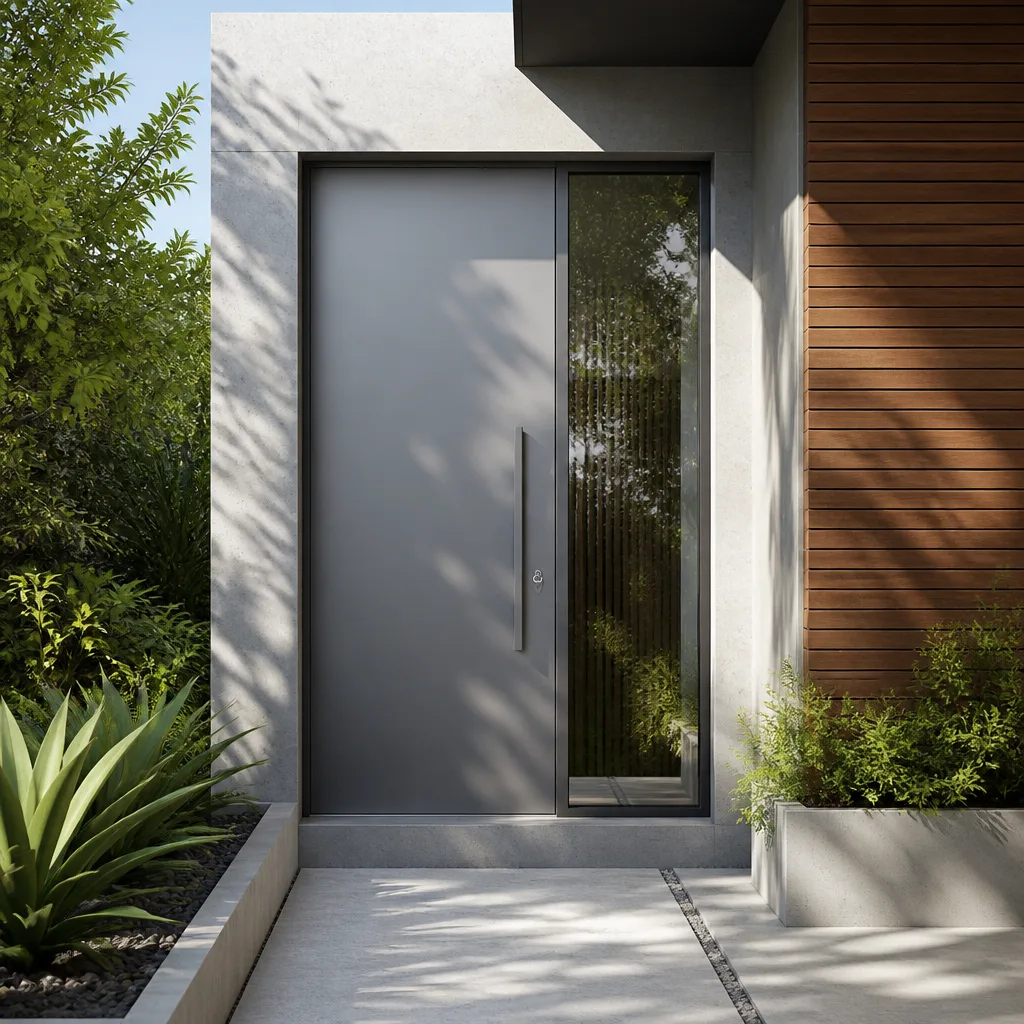
Not every window and door task requires a permit or carries the same risk profile. Several maintenance and adjustment tasks are genuinely appropriate for a West Park homeowner and do not implicate the building code or insurance coverage; see our Seasonal Windows & Doors Care for West Park: Year-Round Homeowner’s Guide for a full maintenance calendar.
Weatherstripping Replacement
Replacement weatherstripping for operable sashes and door jambs is available from the manufacturer or compatible suppliers. The correct product is specified by the original window or door series - for example, PGT and CGI both publish parts lists with dimensional specifications for their compression seals and pile weatherstrip. Measure the existing kerf width and pile height before ordering; mismatched weatherstripping will not seal and may damage the sash operation. This task requires no permit, affects no structural or water-management function, and can be reversed without trace.
Hardware Adjustment
Multi-point door locks and window sash locks loosen over time from thermal cycling and operation. The adjustment screws are typically accessible with standard drivers. The manufacturer’s installation manual specifies the engagement depth and latch alignment. A misadjusted multi-point lock will not engage the deadbolt position, leaving the door latched but not secured. This is a maintenance task, not a modification, and requires no permit.
Caulk Refresh
The exterior sealant joint between the window frame and the wall cladding requires periodic replacement as the elastomeric sealant ages. In West Park’s climate, UV exposure and salt air accelerate degradation. The correct product is a high-performance polyurethane or silicone sealant compatible with the frame material - vinyl, aluminum, or fiberglass - and the wall cladding. Remove the old sealant completely; new sealant over old sealant will not bond and will fail prematurely. This is maintenance, not installation, and does not require a permit if the existing flashing and drainage plane are not disturbed.
Screen Repair and Replacement
Spline replacement and screen fabric renewal are homeowner-appropriate tasks. The spline size is specified by the frame kerf dimension, typically 0.140 to 0.180 inch for residential windows. Fiberglass screen is standard; pet-resistant and solar options are available with different mesh counts. No permit is required.
These tasks share three characteristics: they do not alter the structural installation, they do not affect the water-management or impact-resistance functions, and they are fully reversible. They are maintenance, not construction, and the homeowner-builder exemption is irrelevant to them.
When to Call a Professional
Call a licensed contractor when the work requires a permit, when the product is impact-rated, when the opening size changes, or when the wall type is other than wood frame with intact cladding - our How to Hire a Windows & Doors Contractor in West Park: A Step-by-Step Guide explains what to verify before signing. In West Park, this describes most window and door replacement scenarios.
Specific indicators that professional installation is the lower-risk choice:
- The existing window is impact-rated and the replacement must maintain the envelope’s wind-borne debris protection
- The wall is concrete block or stucco, requiring masonry fastening and integration with the drainage plane
- The opening is being enlarged, which requires structural header modification and engineered plans
- The property is or may become a rental, second home, or investment, disqualifying the homeowner-builder exemption
- The sale or refinance is contemplated within five years, making permit record clarity a priority
Sightline Windows & Doors West Park offers free estimates in West Park - call (786) 685-4706. We provide a measured survey you keep, a written price before any work starts, and a documented photo record when the job is done. The 365-Day Done Right Promise is written into the Haven Standard, not offered as a courtesy.
Common Mistakes to Avoid
- Assuming the homeowner-builder exemption applies to a rental property. It does not. Using the exemption on an investment property in West Park is a license violation that voids the permit and may trigger code enforcement.
- Installing impact windows without verifying the NOA fastener torque specification. The inspector will check this. We’ve seen West Park homeowners fail inspection because they used a standard drill driver without torque control.
- Applying for a permit but never calling for final inspection. An open permit is a cloud on title. It must be closed before most sales, and the delay can cost the deal.
- Reusing existing fasteners or shims. Impact window installation requires new fasteners of the type, size, and spacing specified in the NOA. Old fasteners have unknown withdrawal strength and will fail inspection.
- Skipping the sill pan flashing. This is the most common DIY error we correct in West Park. The window may look correct, but water entering the rough opening has no drainage path and will damage the wall cavity.
- Assuming the product warranty covers installation errors. It does not. The manufacturer warranty covers defects in materials and manufacturing, not improper installation. The labor to correct an installation error is entirely the homeowner’s cost.
Frequently Asked Questions
Yes, if you occupy the home as your primary residence, do not intend to sell or lease it within twelve months, and do not hire unlicensed workers for licensed trades. The homeowner-builder exemption in Florida Statute 489.103(7) allows this, but the conditions are strict and violations void the permit retroactively. Call (786) 685-4706 for a free estimate if your situation does not meet all three conditions.
Professional installation of a standard single-hung impact window in West Park typically ranges from $800 to $1,400 per opening, including the window unit, permit, inspection, and labor warranty. DIY material costs run $600-$1,200 per opening before tool costs, re-inspection risk, and the value of your time. The net savings on DIY are often negative once risk-adjusted. Call (786) 685-4706 for an exact quote on your specific openings - estimates are free.
It will pass if the installation matches the manufacturer’s NOA exactly, including fastener type, spacing, and torque; sill pan flashing; and integration with the drainage plane. The failure rate for DIY installations in our experience is higher than for professional work, primarily due to fastener pattern and flashing errors. The inspector does not provide guidance during inspection; you must know the requirement before the inspector arrives.
Yes. Florida law requires disclosure of work performed without required permits and of any facts materially affecting property value. A homeowner-installed window is discloseable, and the permit record is discoverable by any buyer or title company. A missing or invalid permit is a material defect that can delay or prevent closing.
You must correct the deficiency and schedule a re-inspection, paying the re-inspection fee each time. If the deficiency cannot be corrected without removing the window - for example, if the fastener pattern is wrong and the trim is installed - you must remove the window and reinstall. There is no appeal for code compliance; the NOA and Florida Building Code are the standard.
Yes. Bring us any written estimate and we will review it at no charge. We will verify that the product specification matches your wind zone, that the scope includes permit and inspection, and that the price is itemized. Haven Clause 1 requires that the measurement and the quote be the same document; we apply that standard to our own quotes and to the estimates we review.
The Bottom Line
The DIY versus professional question for windows and doors in West Park is not primarily about skill. It is about permit validity, inspection record, and the consequences that surface years later in a title search or insurance claim. The homeowner-builder exemption is narrower than most homeowners realize, and impact window installation has technical requirements that the building code enforces without flexibility. For maintenance tasks - weatherstripping, hardware, caulk - DIY is appropriate and carries no downstream risk; browse our more guides & resources for additional homeowner maintenance content. For installation, replacement, or any impact-rated product, professional work produces a closed permit, a labor warranty, and a documented record that transfers with the property. The apparent savings of DIY are typically consumed by permit complexity, re-inspection risk, and the absence of warranty protection on labor.
Call (786) 685-4706 to schedule your free estimate. We’ll provide a measured survey you keep, a written price before any work starts, and a documented photo record when the job is done. Every installation is governed by the Haven Standard, including the 365-Day Done Right Promise.
Written by Sonia Raman, Owner at Sightline Windows & Doors West Park, serving West Park since 2012.