
Last updated September 24, 2026
Free in-home measure and quote - PGT, CGI and CWS impact lines compared on your actual openings, style by style
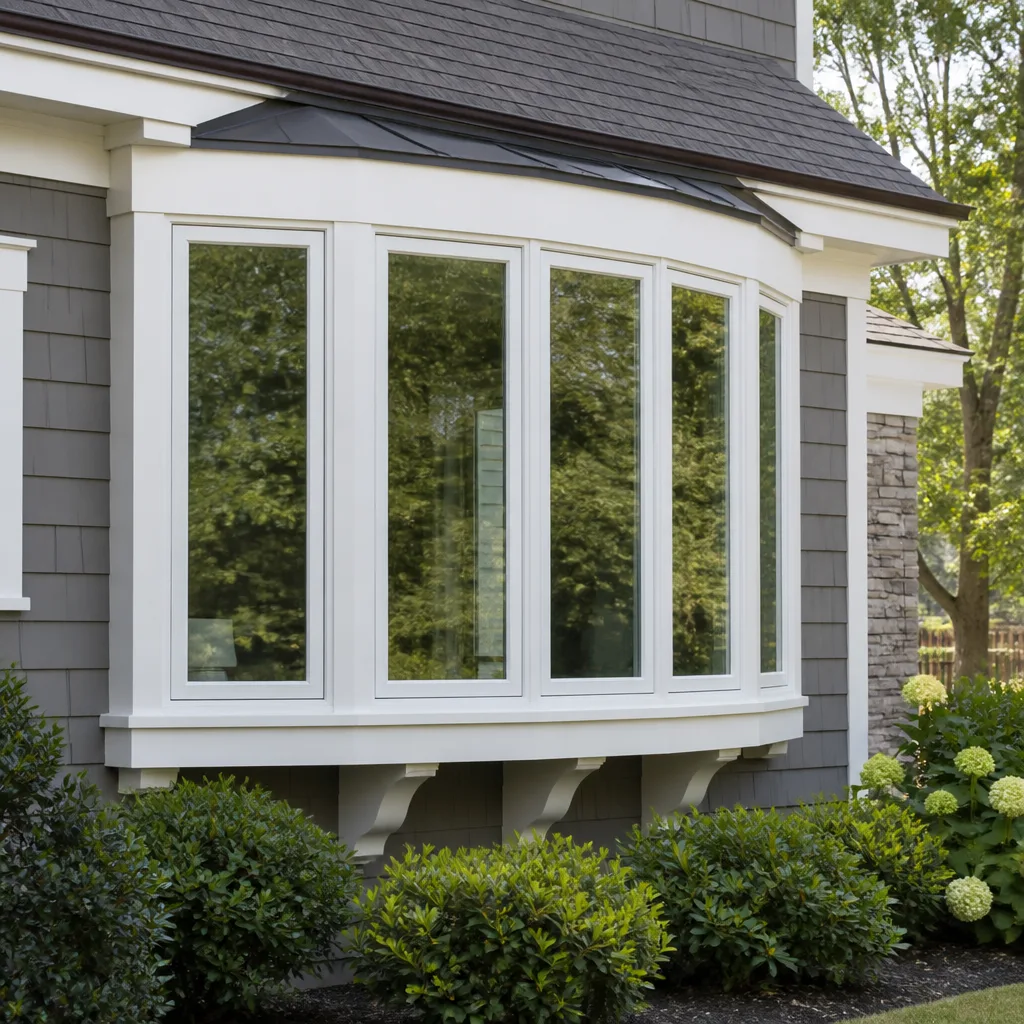
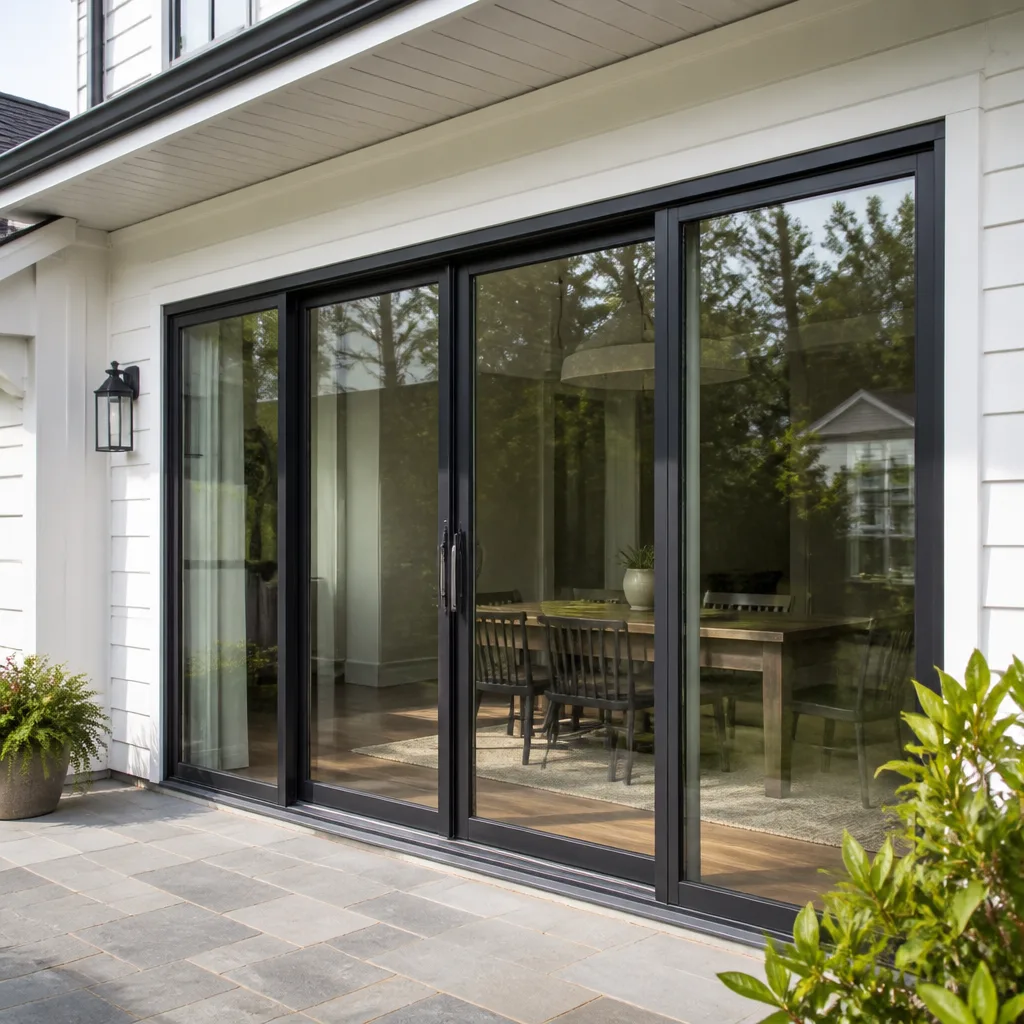
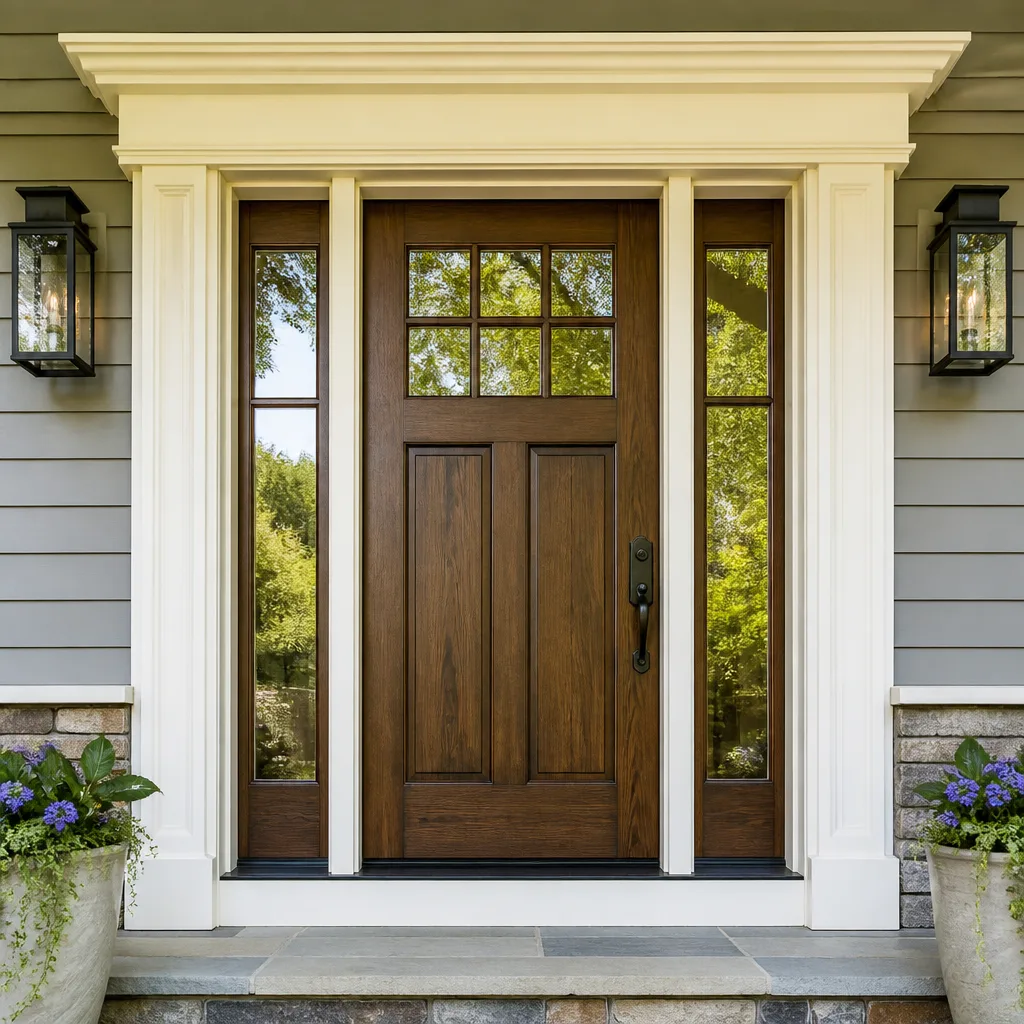
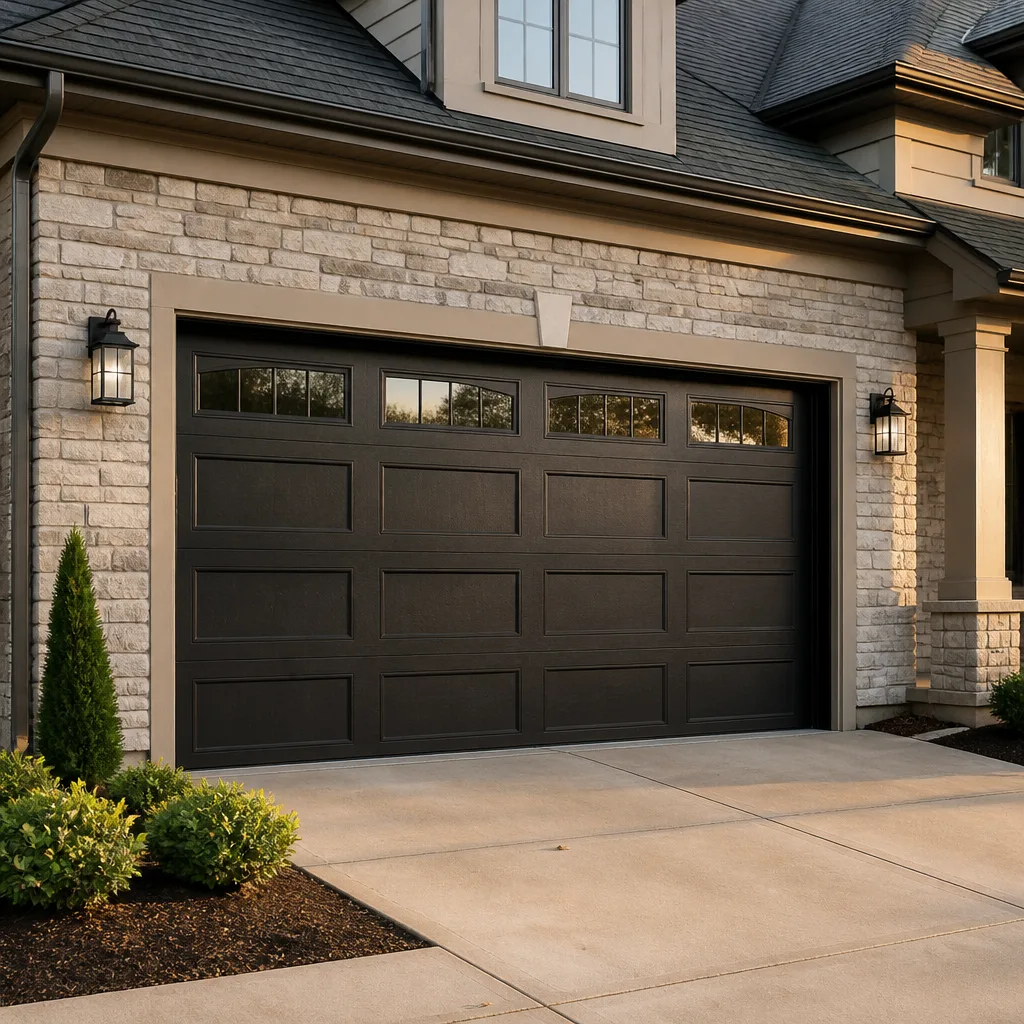
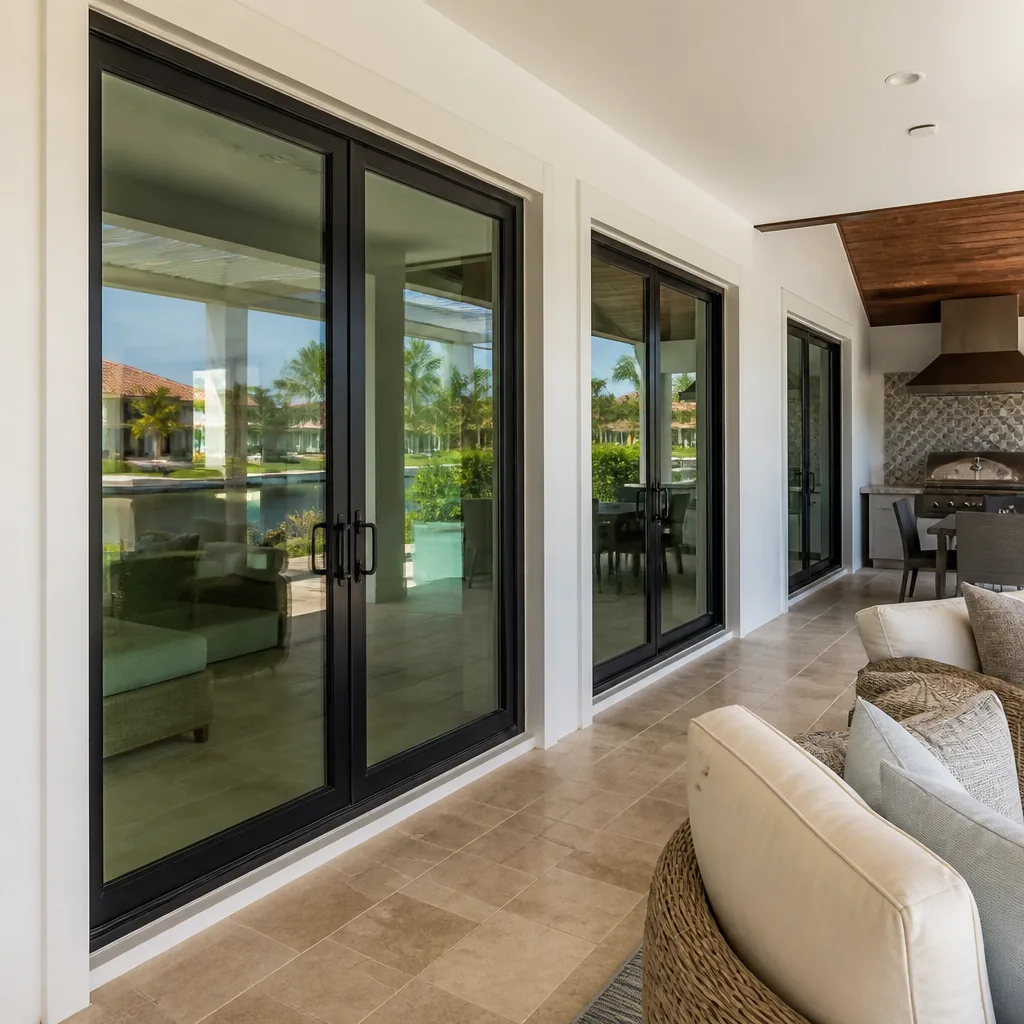
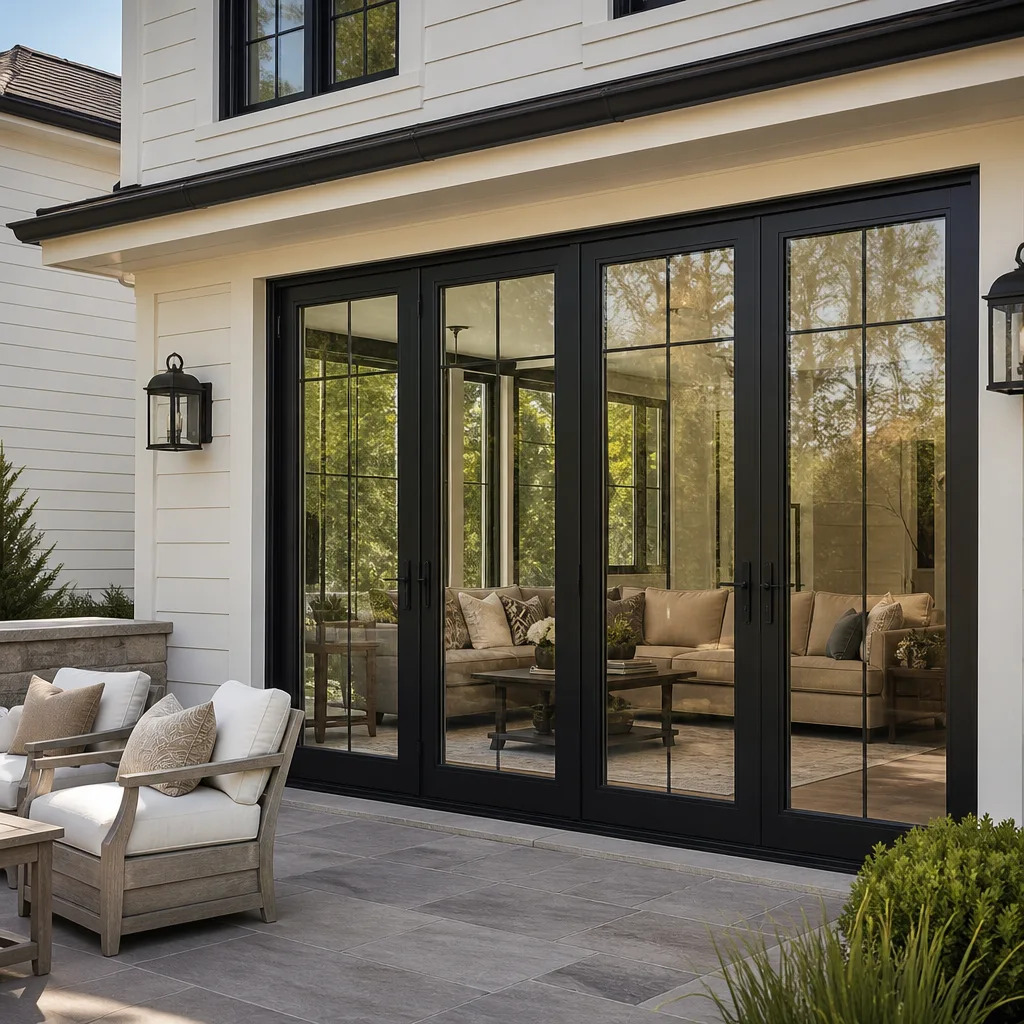
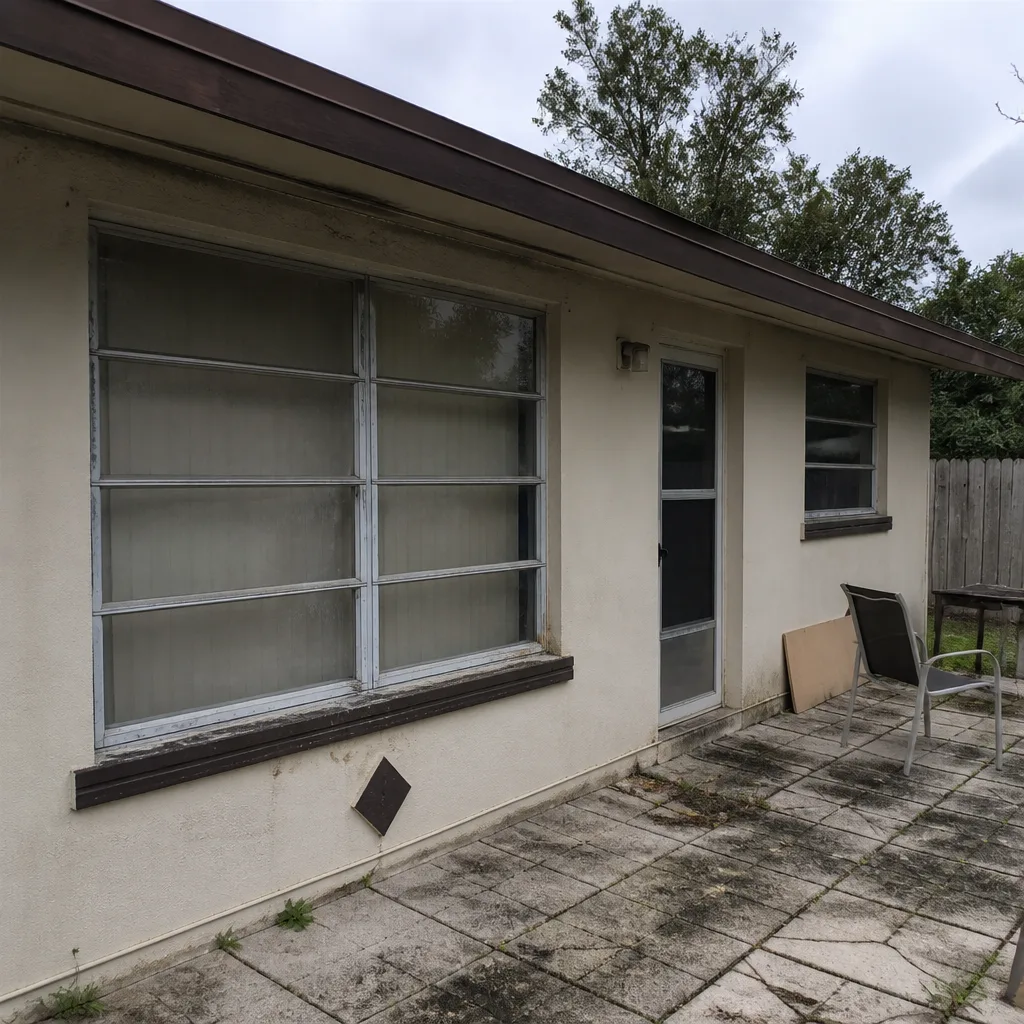 Before
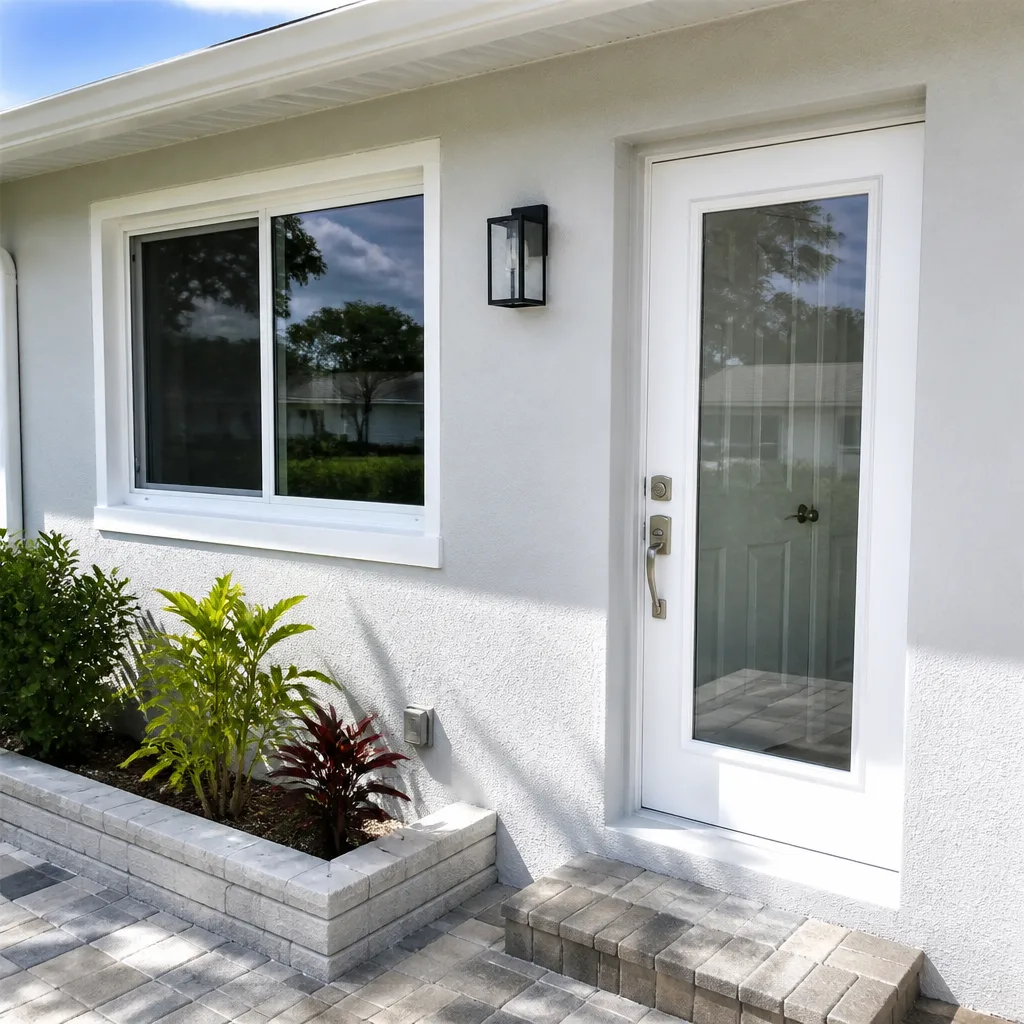 After
After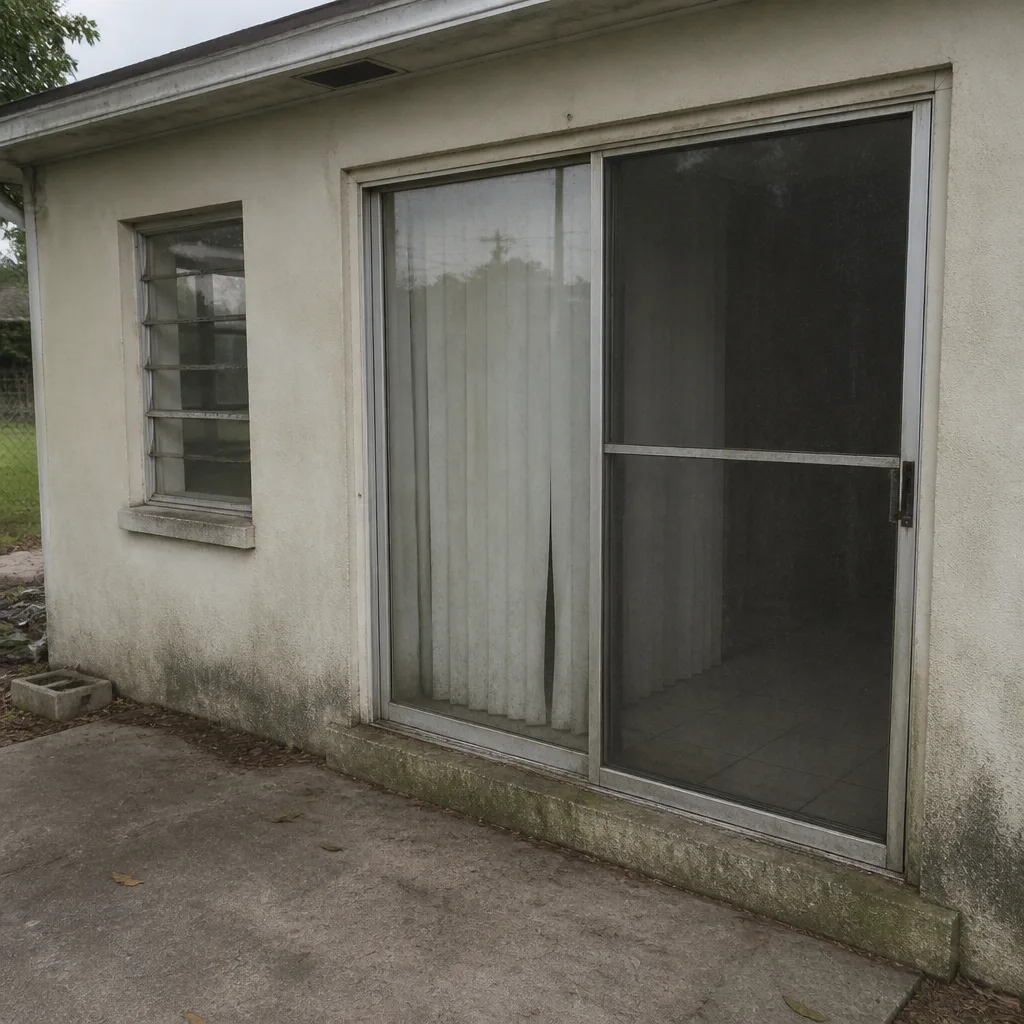 Before
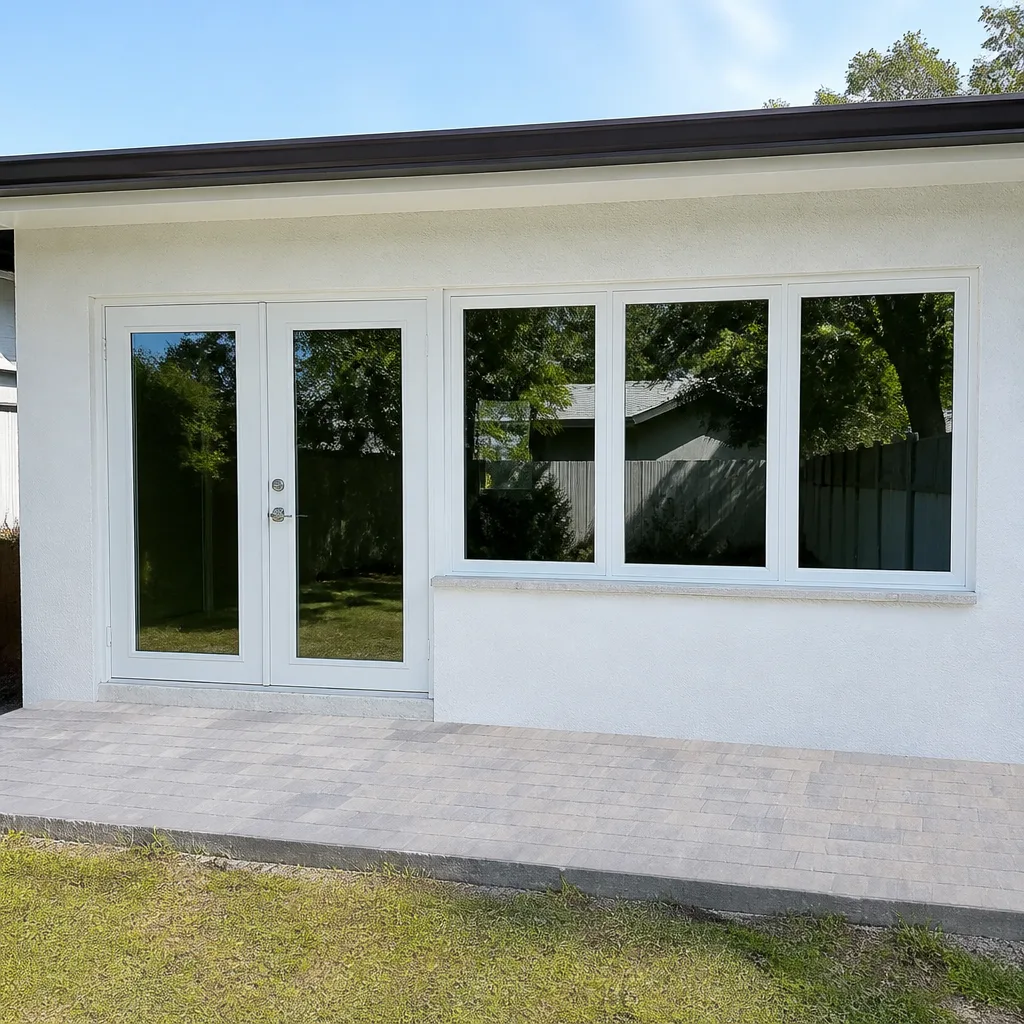 After
After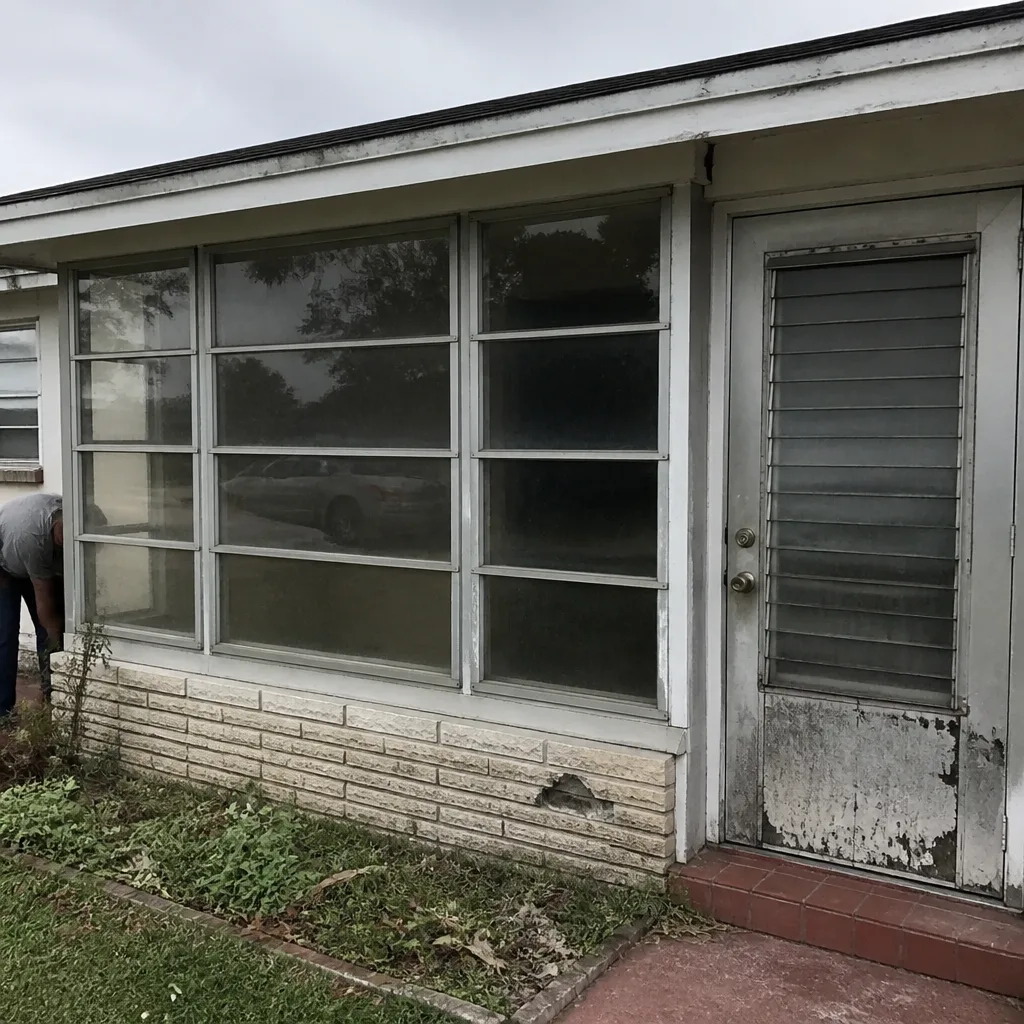 Before
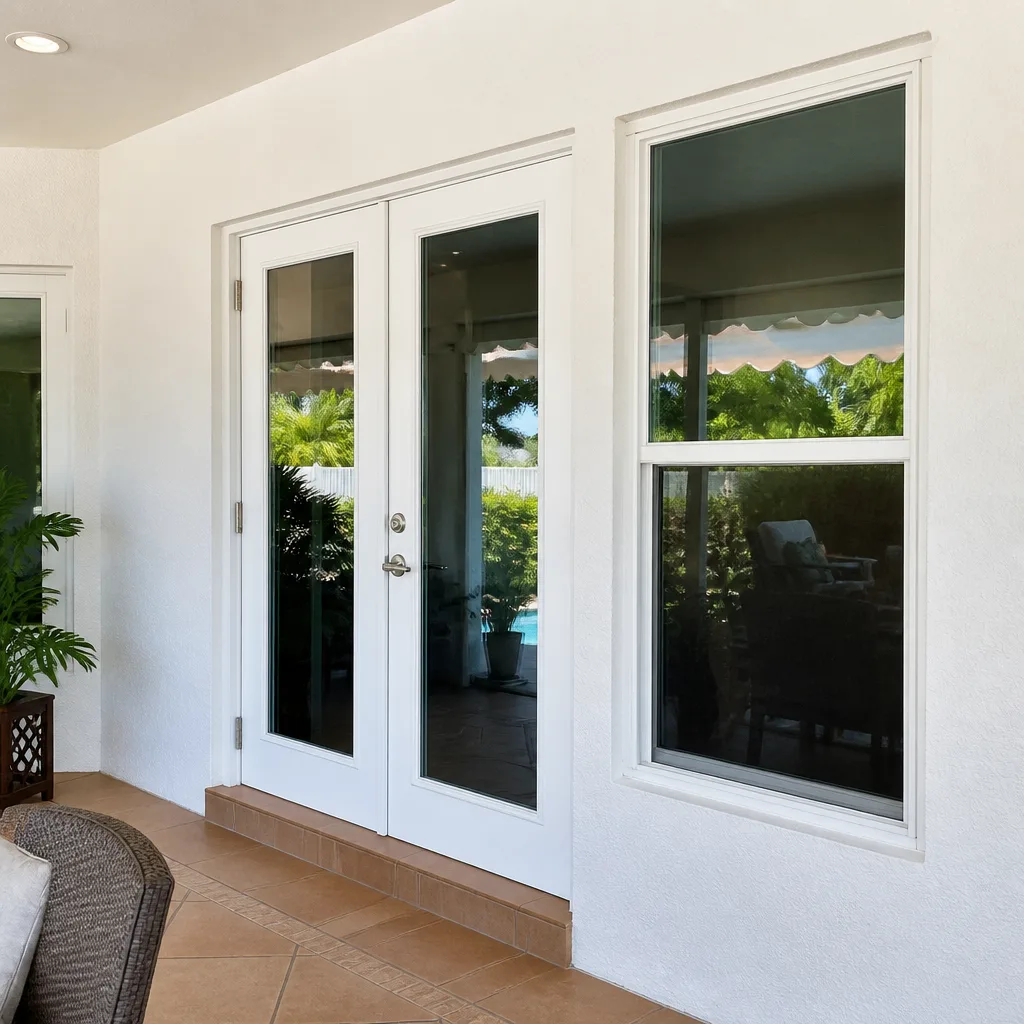 After
AfterThe Complete Guide to Windows & Doors in West Park
Of the dozens of window lines sold in South Florida showrooms, fewer than a third carry both the Miami-Dade Notice of Acceptance rating and the salt-air corrosion resistance required within 3,000 feet of tidal water - and West Park sits inside that radius. This guide maps the actually viable products against real installed costs in 2025 West Park labor market dollars, so homeowners stop comparing specifications that were never practical options for their address; for more guides & resources, see our blog. You’ll learn which NOA ratings are legally required versus optional upgrades, how Broward County’s permit timeline works in practice, and what frame materials survive here long-term.
Quick Answer
Windows and doors in West Park must carry a Miami-Dade NOA rating to pass permit inspection, and products installed within 3,000 feet of tidal water need enhanced salt-air corrosion resistance that most standard impact-rated lines do not include. For a typical West Park home, expect installed costs of $650-$1,400 per opening for vinyl impact single-hung windows, $2,800-$5,200 for sliding glass doors, and $1,800-$3,600 for entry door systems, with Broward County permit and inspection adding 10-14 business days to the project timeline.
Table of Contents
- Which Miami-Dade NOA Ratings West Park Actually Requires
- Impact-Rated vs. Hurricane-Rated: Why the Distinction Matters on Your Permit Card
- Frame Materials for West Park’s Climate: Aluminum, Vinyl, and Fiberglass Compared
- 2025 Installed Price Ranges by Opening Type in West Park
- How Broward County Permits Affect Your Project Timeline
- Selecting from the Short List: What Works Here
- Common Mistakes to Avoid
- When to Call a Professional
- Frequently Asked Questions
 Before
 After
AfterWhich Miami-Dade NOA Ratings West Park Actually Requires
West Park falls under Broward County jurisdiction, which adopts the Florida Building Code with Miami-Dade County amendments for wind-borne debris regions. Every window and door replacement must carry a valid Notice of Acceptance from the Miami-Dade County Product Control Division or an equivalent Florida Product Approval. This is not a recommendation. It is a field inspection checkpoint.
The confusion starts in the showroom. Many products marketed as “hurricane-rated” or “impact-resistant” do not hold a current NOA. The NOA is a specific document number issued after missile-impact and cyclic-pressure testing. Without it, Broward County building inspectors red-tag the installation. We’ve arrived at jobs in West Park where a previous contractor installed non-NOA products, and the homeowner discovered the issue only at final inspection.
There are two tiers that matter for West Park addresses:
- Standard NOA impact rating: Required for all openings in Broward County. Covers large-missile impact (9-pound 2×4 at 50 feet per second) and subsequent cyclic pressure loading.
- Enhanced salt-air NOA: Required for structures within 3,000 feet of tidal water. West Park’s eastern neighborhoods, including areas near the Dania Beach cutoff and along the drainage canals that feed into the Intracoastal, fall under this requirement. The enhanced rating specifies 3,000-hour salt-spray testing per ASTM B117, which standard NOA products often fail.
We’ve measured frame corrosion on five-year-old standard-impact windows in West Park’s eastern zone. The anodized aluminum had begun to pit at the sill corners where salt-laden condensation collected. The homeowner had paid for impact-rated products but not salt-air-rated products. The distinction cost them a full replacement.
The practical list of manufacturers that maintain both ratings across their product lines is short. Window installation in West Park should begin with verifying the NOA number against the address-specific requirement, not with glass thickness or frame color. At Sightline, we check the property’s FEMA flood zone and tidal proximity during the measured survey, then specify accordingly.
Impact-Rated vs. Hurricane-Rated: Why the Distinction Matters on Your Permit Card
These terms are not interchangeable, and the difference appears in writing on your permit inspection card.
Impact-rated means the product assembly - glass, frame, and anchorage - has passed large-missile impact and cyclic pressure testing per TAS 201, 202, and 203 or ASTM E1886 and E1996. The NOA lists the exact missile size, pressure rating, and anchorage schedule. This is the legal requirement in West Park.
Hurricane-rated is a marketing term with no standardized definition. It may mean the product meets wind-pressure requirements without missile-impact testing. It may mean the manufacturer conducted internal testing without third-party witness. It may mean nothing at all. We’ve reviewed competitor quotes in West Park where “hurricane-rated” windows were priced 15% below equivalent NOA products. The customer would have paid for a permit, installed the windows, and failed inspection.
The permit inspection card in Broward County has a specific checkbox: “Product NOA verified and matches approved plans.” The inspector enters the NOA number from the product label. If the label says “hurricane-rated” but lists no NOA, or lists an expired NOA, the inspection fails. The homeowner then faces removal and reinstallation, or a costly engineering variance that is rarely granted for residential window replacement.
Here’s how to verify before you buy:
- Request the NOA document number from your contractor in writing.
- Cross-check the number on the Miami-Dade County Product Control Division website. Confirm it is current and not expired or superseded.
- Verify the NOA covers your specific product size and configuration. A NOA for a 36×60 single-hung does not cover a 48×60 picture window from the same line.
- Check the geographic limitation table. Some NOAs exclude installations within 3,000 feet of tidal water unless the enhanced salt-air rating is specified.
At Sightline, the NOA number appears on the written quote under Haven Clause 1: Have it in writing. The customer keeps that document. The inspector sees the same number on the product label. The measurement and the quote are the same document.
Frame Materials for West Park’s Climate: Aluminum, Vinyl, and Fiberglass Compared
West Park’s climate data drives material selection more than aesthetic preference. Average annual humidity of 74%, UV index regularly exceeding 9 in summer months, and salt-air exposure in eastern zones create a testing environment that eliminates some frame materials from serious consideration.
We specify products from PGT, CGI, CWS, and other verified lines based on what the opening requires, not what is in stock. Here’s how the three primary frame materials perform in West Park conditions:
| Material | U-Factor Range | Salt-Air Resistance | UV Stability | Typical Lifespan in West Park | Price Position |
|---|---|---|---|---|---|
| Aluminum (thermally broken) | 0.30-0.35 | Excellent with Kynar finish; poor with standard anodizing | Excellent; color stable 20+ years | 20-25 years with proper finish | Mid-range to premium |
| Vinyl (uPVC) | 0.28-0.32 | Good; no galvanic corrosion | Good; requires titanium dioxide formulation to prevent chalking | 15-20 years; profile degradation accelerates without UV inhibitors | Entry to mid-range |
| Fiberglass (pultruded) | 0.27-0.30 | Excellent; inert material | Excellent; expands/contracts at rate similar to glass | 30+ years; limited track record in South Florida due to cost | Premium |
The thermal break in aluminum frames is critical. Non-thermally-broken aluminum conducts heat directly from exterior to interior, producing condensation and energy penalty. In West Park’s humidity, condensation leads to frame sweating, sill staining, and eventual weep-hole blockage. We see this on older installations in neighborhoods like Carver Ranches and Lake Forest, where original builder-grade aluminum windows are still in place.
Vinyl’s weakness is profile degradation from UV exposure without adequate titanium dioxide loading. Lower-grade vinyl chalks and becomes brittle within eight to ten years in South Florida sun. The product lines we specify from ECO Window Systems and CWS use co-extruded capstock with 10+ parts per hundred TiO2, which extends service life to the 15-20 year range.
Fiberglass remains rare in West Park due to cost and limited local fabrication capacity. Where we’ve installed it, typically in custom geometric openings or large fixed-picture configurations, the dimensional stability is notable. Fiberglass expands at roughly the same rate as glass, reducing seal stress and improving long-term argon retention.
For most West Park homes, thermally broken aluminum or high-grade vinyl represents the practical choice. The specific recommendation follows from the measured survey: eastern addresses get enhanced salt-air specification, western addresses have more flexibility.
2025 Installed Price Ranges by Opening Type in West Park

These ranges reflect West Park’s 2025 labor market, Broward County permit fees, and current product pricing from verified manufacturer lines. They include removal, disposal, installation, trim, sealant, and final cleaning. They do not include structural modifications, stucco repair, or interior finish work.
Impact-Rated Vinyl Single-Hung Windows
- Standard size (36×60): $650-$890 per opening
- Oversize or custom height: $890-$1,400 per opening
- Geometric or architectural shapes: $1,200-$2,400 per opening
Impact-Rated Aluminum Single-Hung Windows (Thermally Broken)
- Standard size (36×60): $780-$1,050 per opening
- Oversize or custom height: $1,050-$1,600 per opening
Sliding Glass Doors (Impact-Rated, 2-Panel)
- Vinyl frame: $2,800-$3,800
- Thermally broken aluminum: $3,400-$5,200
Entry Door Systems (Impact-Rated, Including Frame and Hardware)
- Steel or fiberglass slab with impact glass: $1,800-$2,800
- Therma-Tru or equivalent with sidelite: $2,600-$3,600
- Custom sizing or transom addition: $3,200-$4,800
Patio Doors and French Doors (Impact-Rated, Out-Swing)
- Vinyl frame: $3,200-$4,400
- Thermally broken aluminum: $4,000-$5,800
Garage Door (Impact-Rated, Wind-Rated)
- Standard 16×7 non-insulated: $2,400-$3,200
- Insulated with impact-rated glazing sections: $3,400-$4,800
These ranges assume standard wall construction, accessible exterior, and no electrical or plumbing relocation. The measured survey we conduct identifies any exceptions before the written quote is prepared. Haven Clause 1: the price on the document is the price on the invoice.
Broward County permit fees add $150-$400 depending on project value. Inspection scheduling typically requires two visits: rough inspection after framing preparation, final inspection after installation completion. We pull permits as standard practice; the permit number appears on the written scope.
How Broward County Permits Affect Your Project Timeline
The timeline from signed contract to final inspection in West Park follows a predictable sequence, but the day counts surprise homeowners who expect immediate installation.
- Measured survey and written quote: 1 business day. The customer keeps the measured survey document. The quote references the survey and cannot deviate from it.
- Contract execution and deposit: Same day or next business day. Production order is placed with the manufacturer upon deposit clearance.
- Manufacturer lead time: 4-8 weeks for standard sizes and colors from PGT, CGI, and CWS. Custom colors or non-standard configurations extend to 10-12 weeks. This is the longest phase and the one most contractors understate.
- Permit application to Broward County: 2-3 business days for electronic submission. We prepare plans, product cut sheets, and NOA documentation.
- Broward County plan review: 5-10 business days for residential window and door replacement. Simple like-for-like replacements move faster; changes to opening size or structural header trigger extended review.
- Permit issuance: 1 business day upon approval.
- Installation scheduling: 3-5 business days after permit issuance and product delivery.
- Rough inspection: Scheduled day of or day after installation begins. Inspector verifies anchorage, flashing, and product label match.
- Final inspection: 2-3 business days after installation completion. Inspector verifies operation, sealant, and code compliance.
Total timeline: 7-12 weeks from contract to final inspection for standard products. Custom or extended lead times push this to 14-16 weeks.
We’ve encountered homeowners in West Park who signed with competitors promising four-week turnaround. The products arrived non-NOA, or the permit was never pulled, or the rough inspection was skipped. The “fast” timeline produced a failed final inspection and a second installation team. Under the Haven Standard, we quote realistic timelines and meet them. Arrive on schedule, Haven Clause 2, applies to the schedule we actually commit to.
The permit requirement also affects DIY vs Professional Windows & Doors: The West Park Homeowner’s Decision Guide scenarios. Broward County requires a licensed contractor to pull the permit for window and door replacement in wind-borne debris regions. Homeowner permits are not issued for this work category. Unpermitted installation voids most homeowners insurance policies for storm damage and creates title issues at sale.
Selecting from the Short List: What Works Here
Given the NOA, salt-air, and energy code requirements, the practical product list for West Park is shorter than showroom displays suggest. We specify from eight verified manufacturer lines, selected by performance tier and price range, not by margin.
Entry-level impact performance: ECO Window Systems and CWS vinyl lines carry current NOAs with salt-air ratings for standard sizes. U-factors of 0.30-0.32 meet Florida energy code. These are appropriate for rental properties, fix-and-flip projects, or homeowners prioritizing code compliance over long-term efficiency.
Mid-range performance: PGT WinGuard and CGI Sentinel vinyl and aluminum lines offer improved U-factors (0.28-0.30), better hardware, and broader size availability. We’ve installed thousands of these in West Park and surrounding Broward County cities. The 365-Day Done Right Promise covers any operational or seal issues.
Premium performance: PGT Architectural Series and CGI Estate Collection in thermally broken aluminum, or Mr-Glass custom impact lines for oversized or geometric openings. These specify below 0.28 U-factor with SHGC below 0.25, meeting the most stringent energy requirements for west- and south-facing elevations.
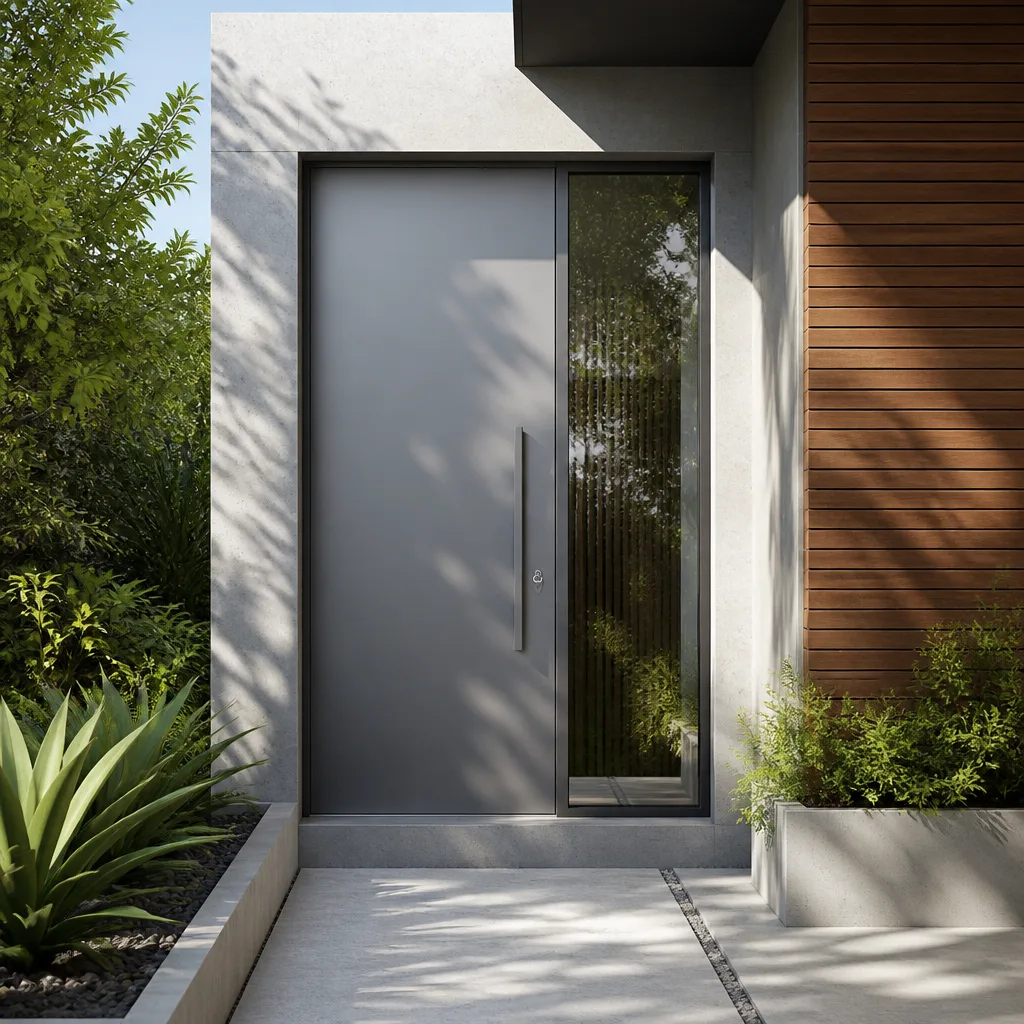
Entry door systems: Therma-Tru fiberglass and steel impact-rated slabs with ViewLux or PGT impact glass packages. Sidelite and transom configurations require engineering calculations for large-missile impact; we submit these with the permit application.
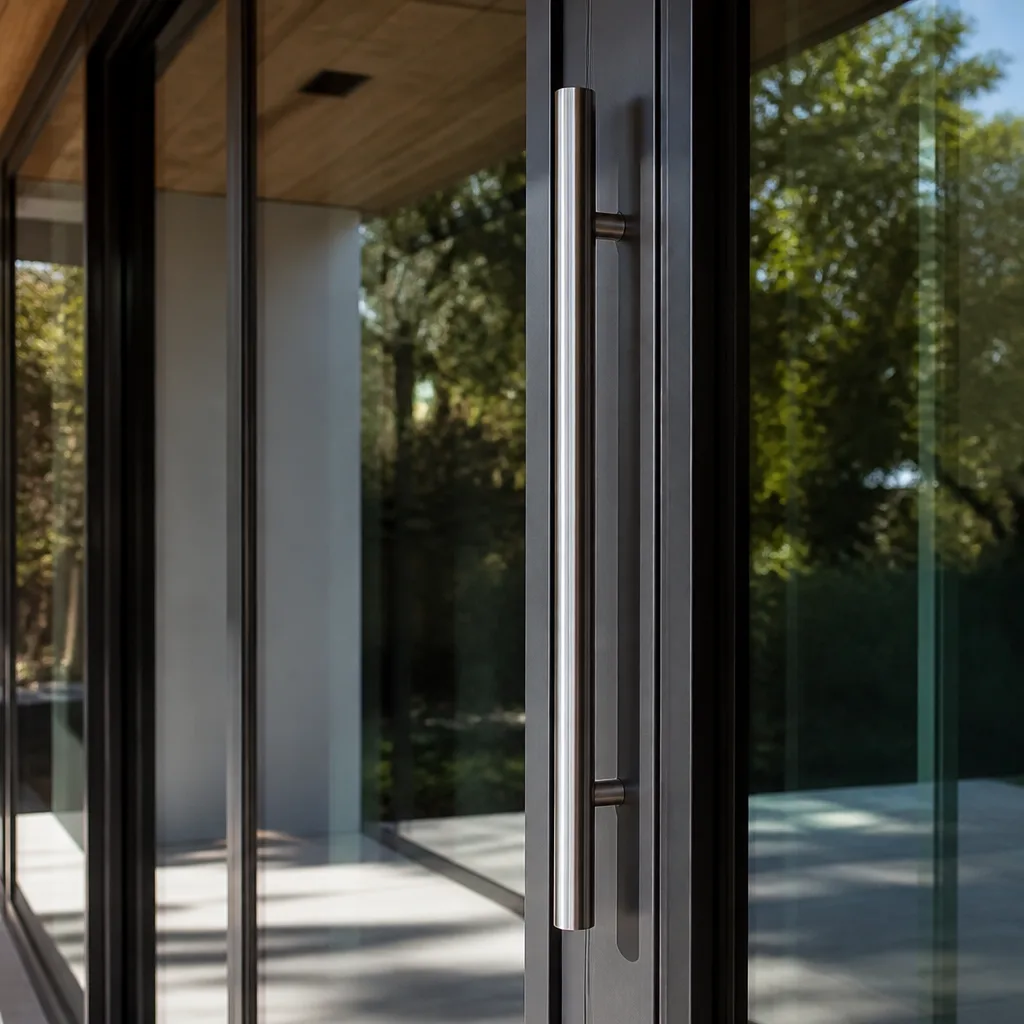
Sliding and patio doors: PGT, CGI, and ES Windows multi-slide and lift-slide systems. The rolling hardware specification matters in West Park’s salt-air environment. Stainless steel or zinc-coated rollers with sealed bearings outperform standard zinc-plated hardware within five years.
The measured survey determines the specification. We record frame opening dimensions, wall thickness, interior and exterior trim conditions, sill pan condition, and exposure orientation. The customer keeps this document. The written quote references it. The installation crew works from it. The photo record documents completion against it.
Window replacement in West Park should not begin with product selection. It should begin with opening assessment, then code requirement verification, then product matching to requirement.
Common Mistakes to Avoid
- Buying from a showroom without verifying NOA status. The product on display may be a non-rated version or a superseded model. The NOA number on the quote must match the label on the delivered product.
- Ignoring salt-air requirements for eastern West Park addresses. Standard NOA products fail prematurely within 3,000 feet of tidal water. The enhanced rating costs 8-12% more and eliminates replacement at year seven.
- Accepting a verbal or email estimate without measured survey. Without opening-specific measurements, the quote cannot account for wall thickness variation, out-of-square conditions, or structural header requirements. The final invoice inevitably exceeds the “estimate.”
- Permitting the homeowner to pull the permit. Broward County does not issue homeowner permits for window and door replacement in wind-borne debris regions. A contractor who suggests this is avoiding liability and likely unlicensed.
- Selecting frame material based on appearance alone. Dark-colored vinyl in west-facing West Park elevations absorbs sufficient heat to deform profiles. Thermally broken aluminum or light-color vinyl is required for these applications.
- Neglecting the rough inspection. Some contractors install and seal without scheduling rough inspection, hoping to pass final. Broward County inspectors check product labels at rough; skipping this risks full removal.
- Assuming all impact-rated products qualify for insurance discounts. Florida insurers require specific wind mitigation form documentation. The product must match the approved plans, and the installation must pass inspection, for the discount to apply.
When to Call a Professional
Window and door replacement in West Park is not a handyman project. The combination of NOA verification, permit requirements, and structural anchorage to resist design wind pressures of 170 mph requires licensed contractor involvement. Specific scenarios that warrant immediate professional assessment include: visible frame corrosion or seal failure, operational difficulty indicating structural settlement, water intrusion at sill or jamb, post-storm impact damage even if glass is intact, and preparation for property sale where unpermitted work must be rectified.
Sightline Windows & Doors West Park offers free estimates in West Park. The measured survey takes 45-60 minutes, produces a document you keep, and generates a written quote that does not change. Call (786) 685-4706 to schedule. We also provide free second opinions on any written estimate from another contractor.
Frequently Asked Questions
Window replacement in West Park costs $650-$1,400 per opening for standard vinyl impact single-hung windows, and $780-$1,600 for thermally broken aluminum, including removal, installation, and trim. Custom sizes, geometric shapes, or premium efficiency specifications increase the range. Call (786) 685-4706 for a measured survey and exact written quote - estimates are free.
Yes. Broward County requires a building permit for all window and door replacement in wind-borne debris regions, which includes all of West Park. A licensed contractor must pull the permit; homeowner permits are not issued for this work. The permit requires two inspections, rough and final, and typically adds 10-14 business days to the project timeline.
Impact-rated means the product has passed specific missile-impact and pressure testing with a current Miami-Dade NOA document. Hurricane-rated is a marketing term with no standardized definition and does not guarantee code compliance. Broward County inspectors verify the NOA number, not marketing claims.
Physical installation of a typical replacement window takes 2-4 hours per opening. However, the full project timeline from contract to final inspection is 7-12 weeks, dominated by manufacturer lead time (4-8 weeks) and Broward County permit review (5-10 business days). We quote realistic timelines and meet them.
No. Haven Clause 1 of the Haven Standard states that the written quote, based on the measured survey you keep, is the final invoice. The only price changes occur if the customer requests scope additions after contract execution. Structural conditions concealed until removal, such as rotted framing, are documented with photos and discussed before proceeding.
Yes. We pull permits as standard practice on every job. The permit number appears on your written scope. We schedule both rough and final inspections, and we do not request final payment until the inspection passes. This is Haven Clause 4: Evidence on every job.
The Bottom Line
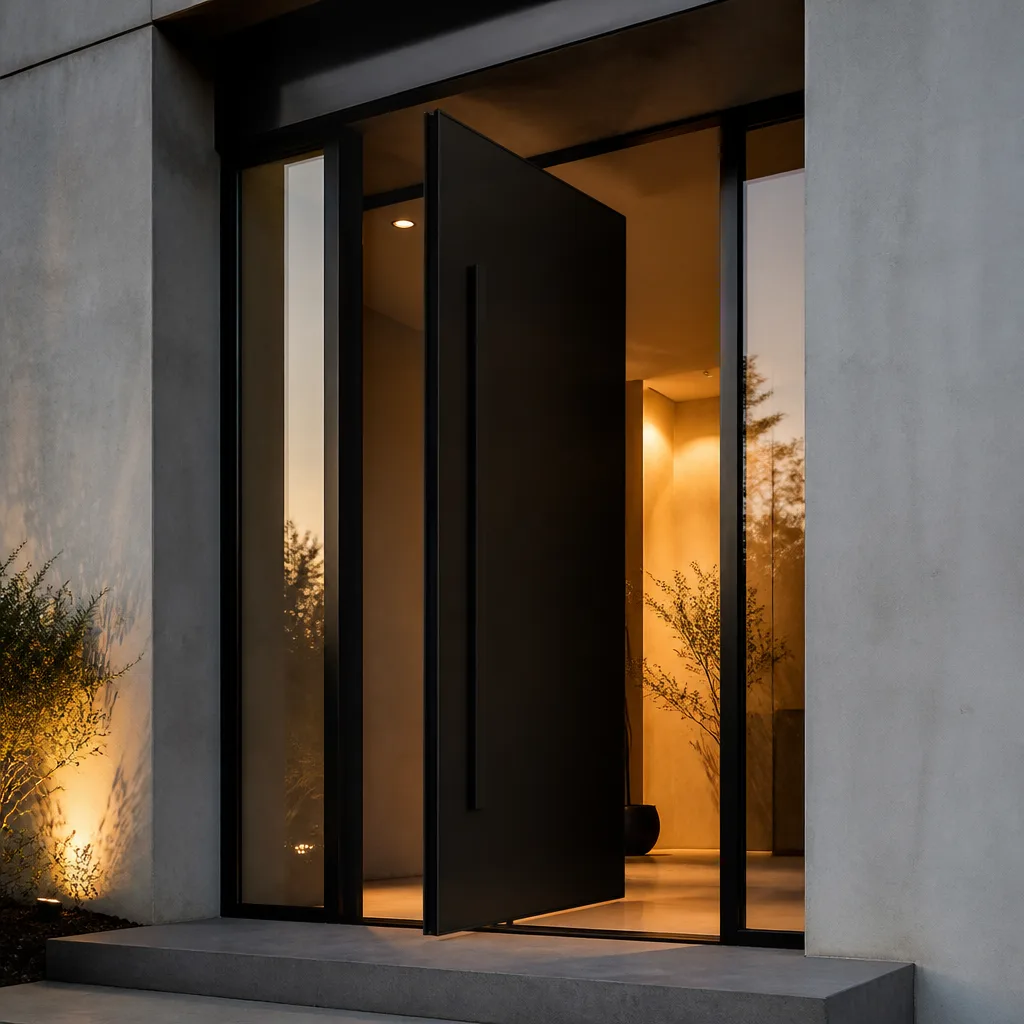
West Park’s location within the salt-air zone and wind-borne debris region narrows viable window and door products to a specific subset of NOA-rated, corrosion-resistant lines. The frame material must match the elevation exposure, the permit timeline must be built into project planning, and the quote must be written and binding before work begins. Generic product comparison is useless here; opening-specific specification against verified code requirements is what produces a passing inspection and a durable installation. The measured survey is the foundation. The written price is the commitment. The photo record is the proof.
Written by Sonia Raman, Owner at Sightline Windows & Doors West Park, serving West Park since 2012.